

Would you like more images?

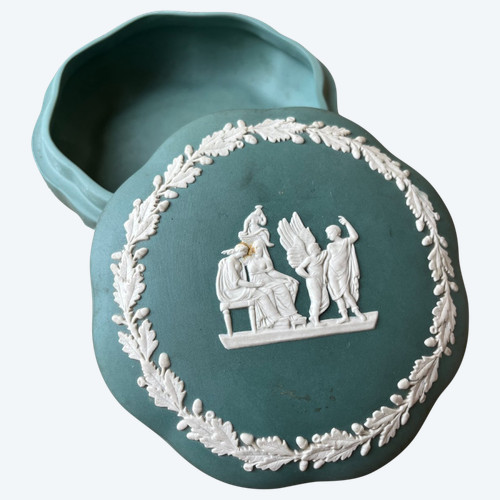
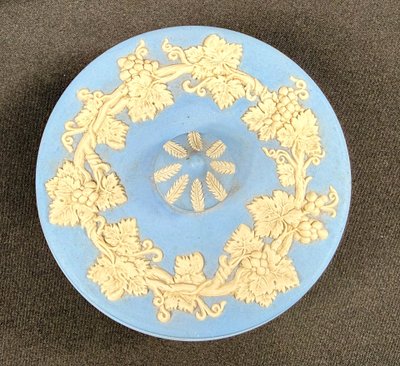
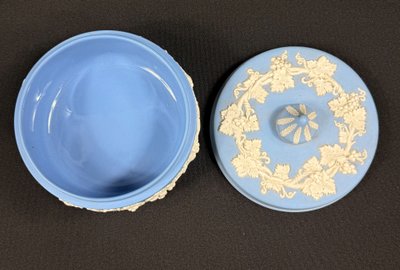
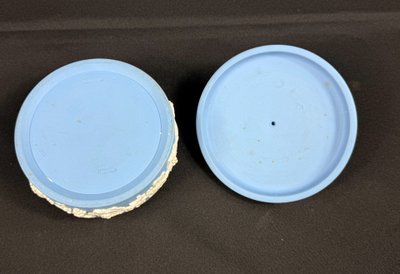
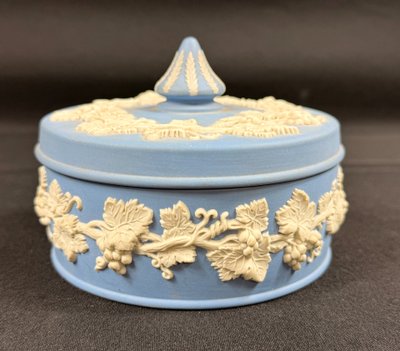
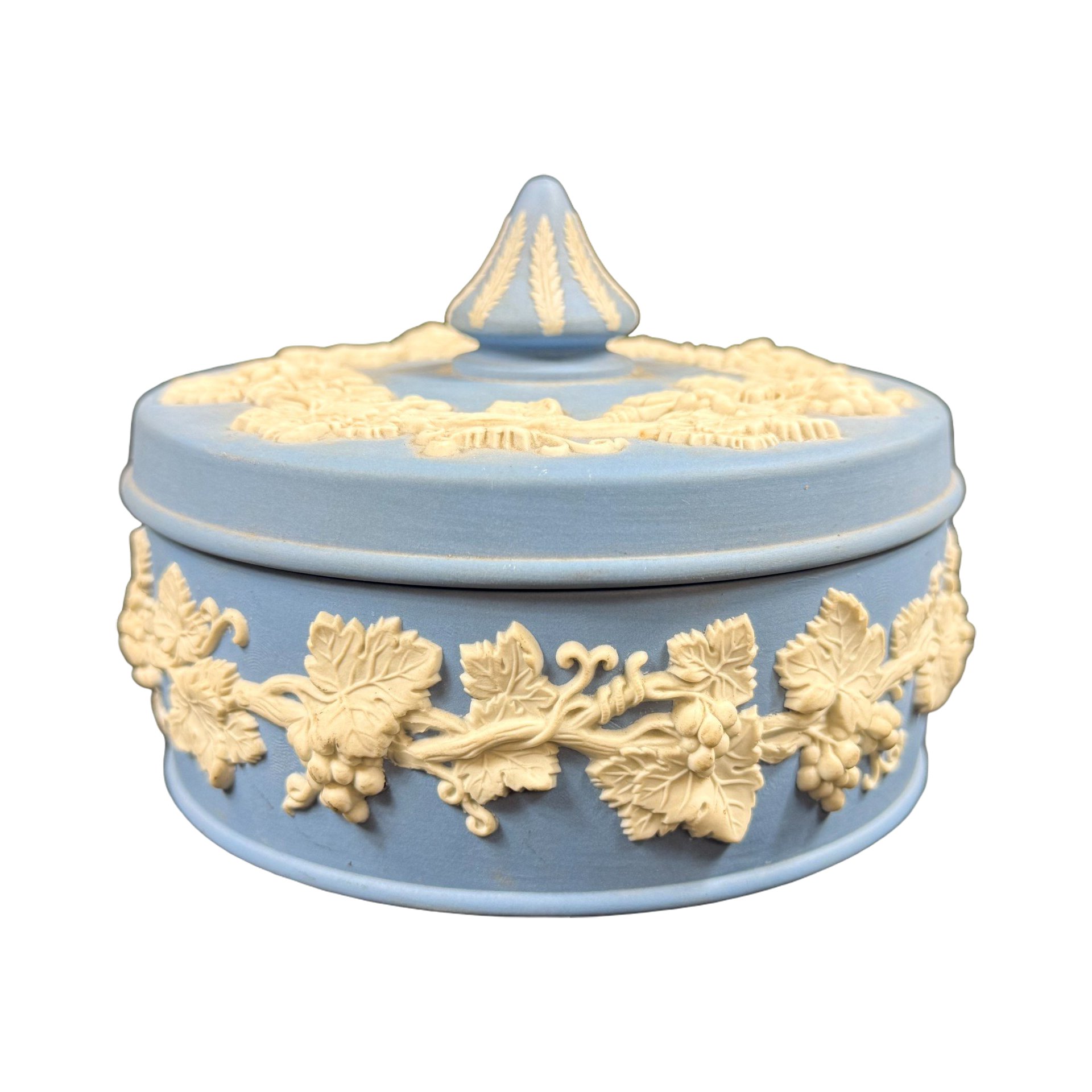
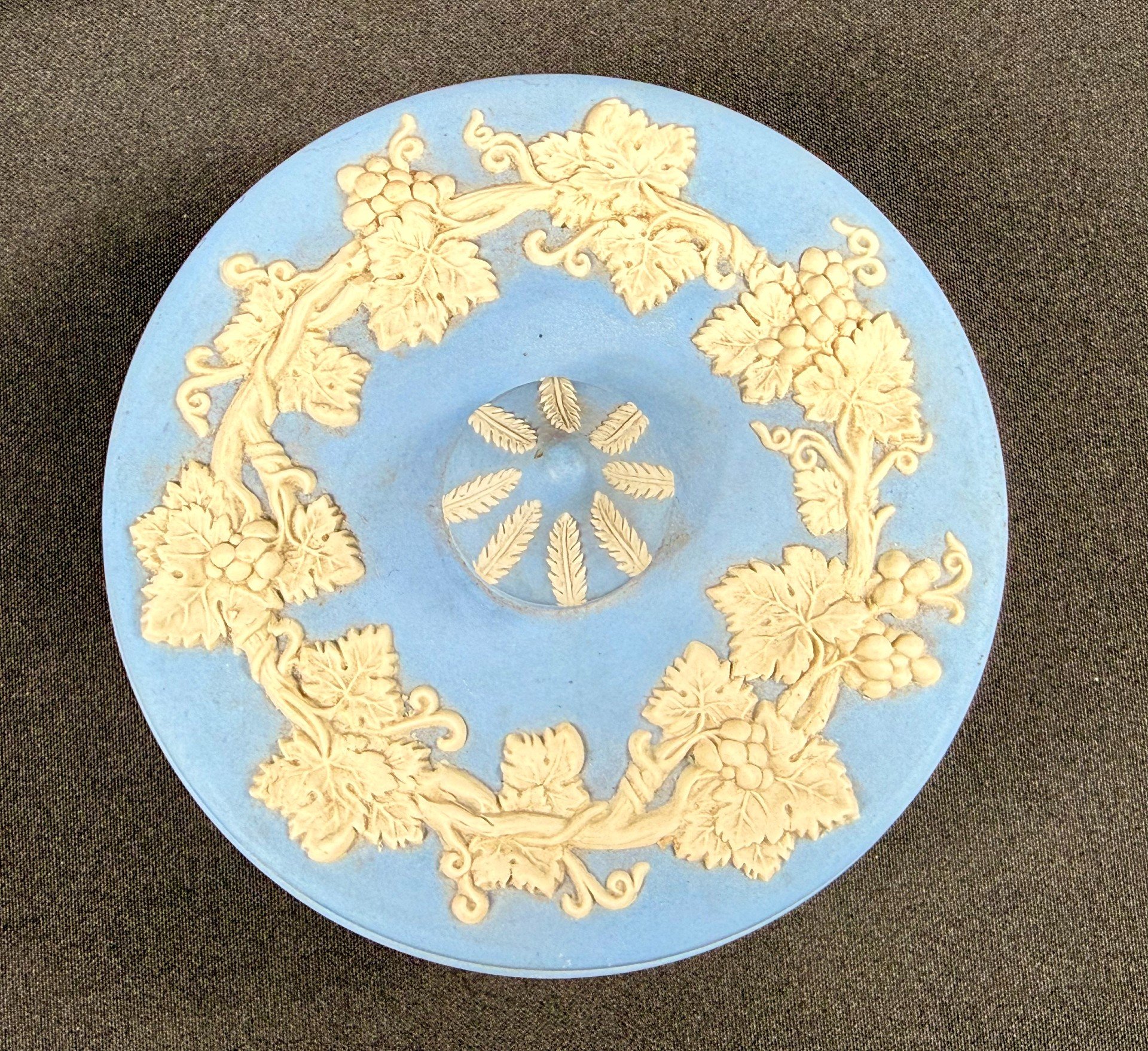
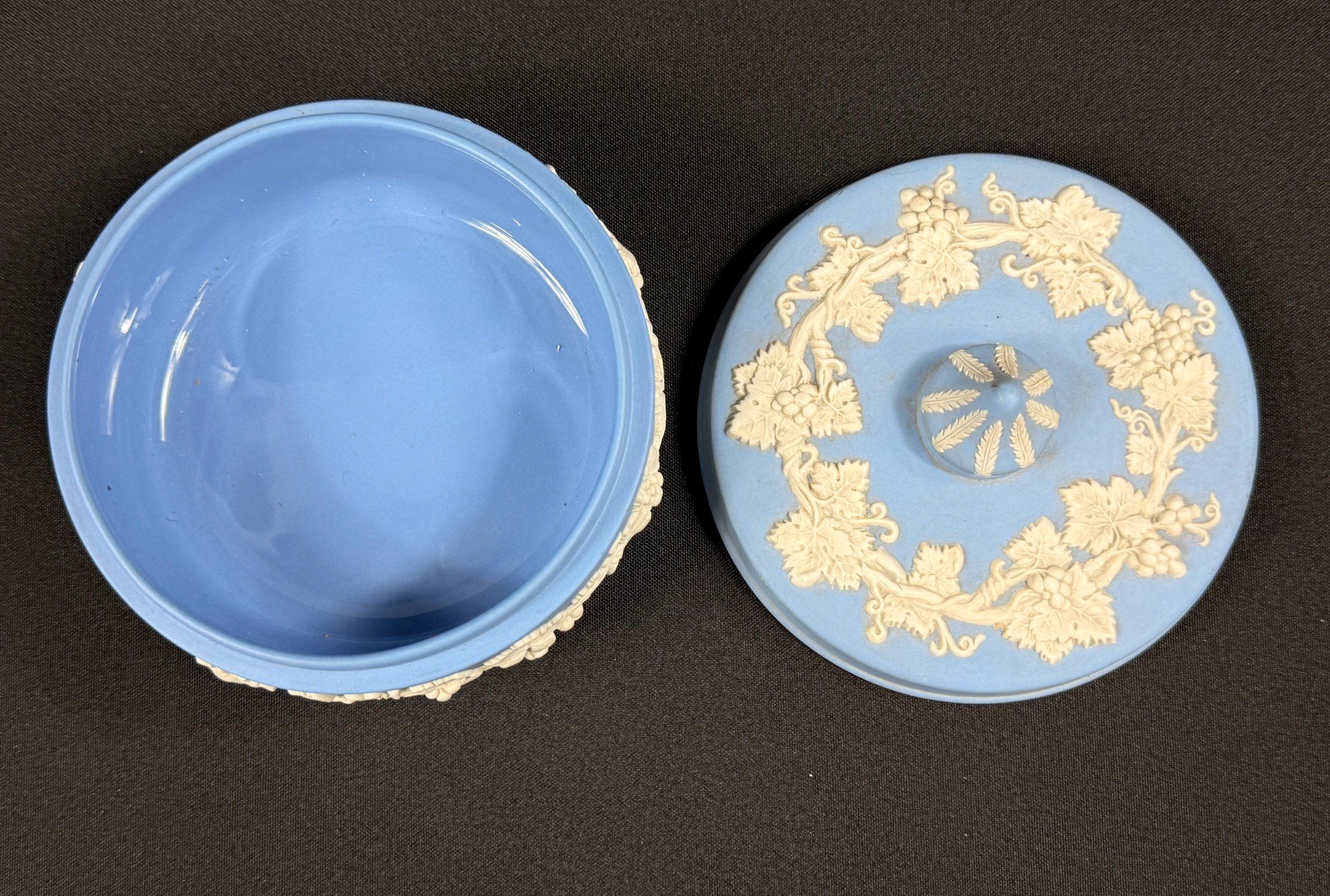
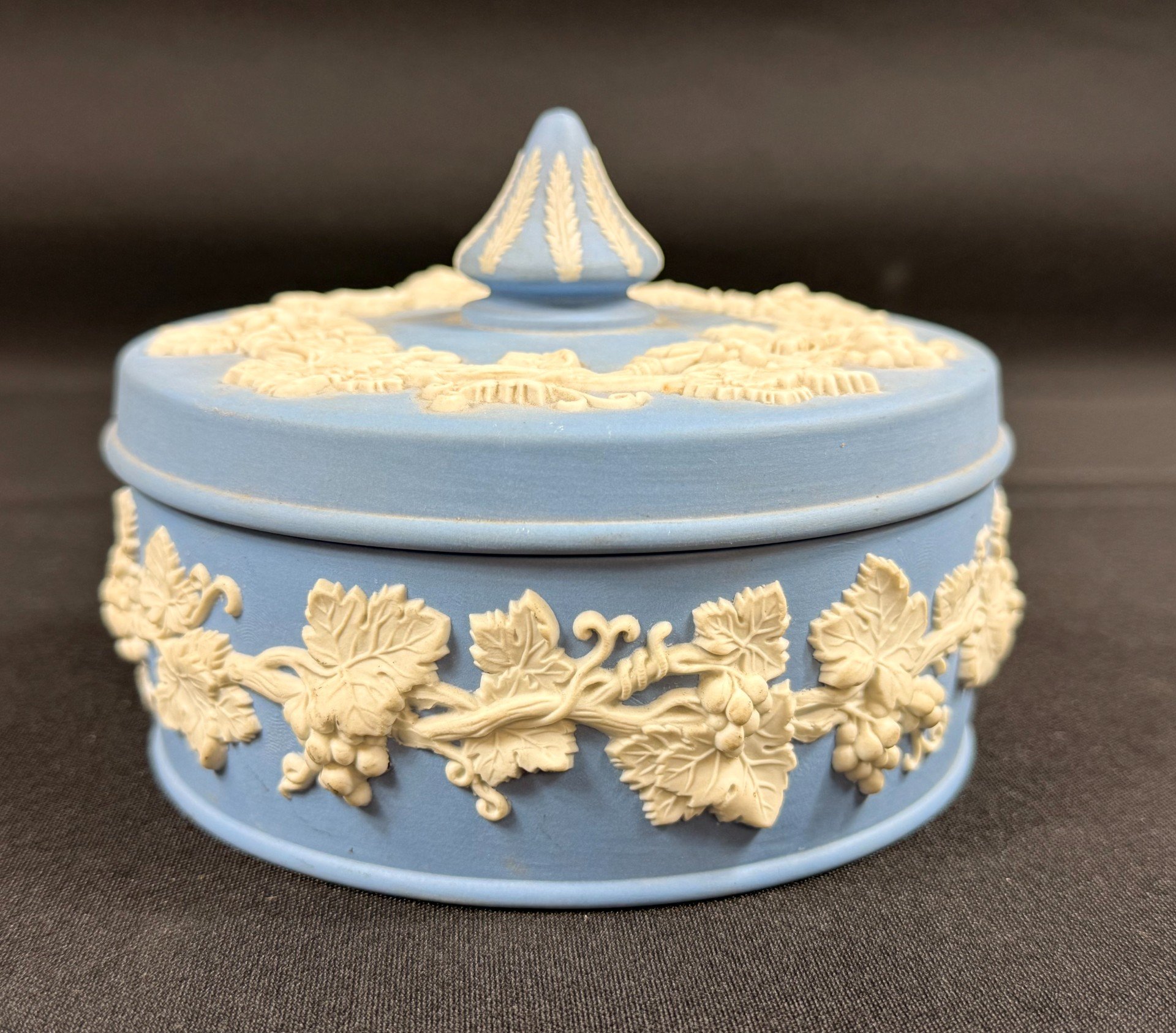
Pale blue and white bisque bonbonnière (Jasperware) with applied cameo decoration of grapes and vine leaves
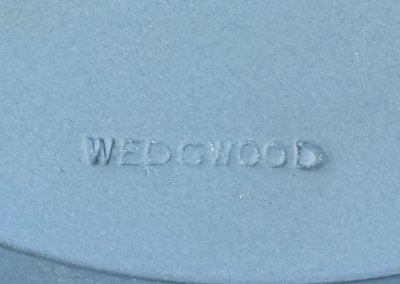
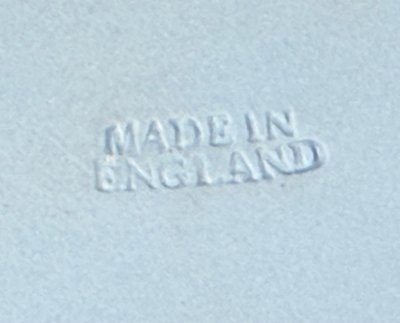
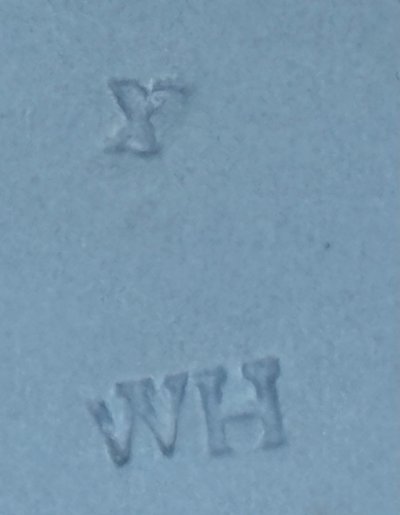
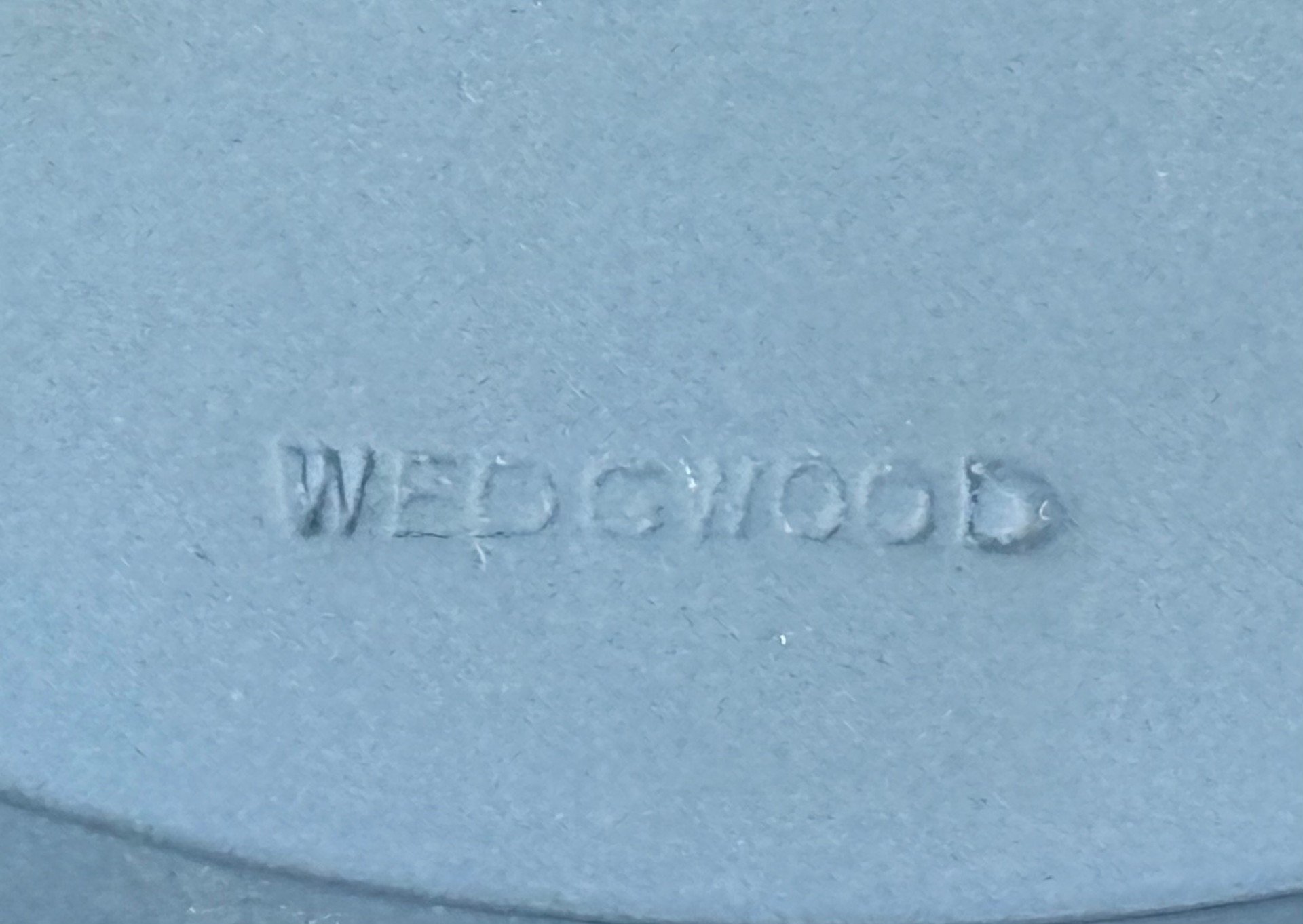
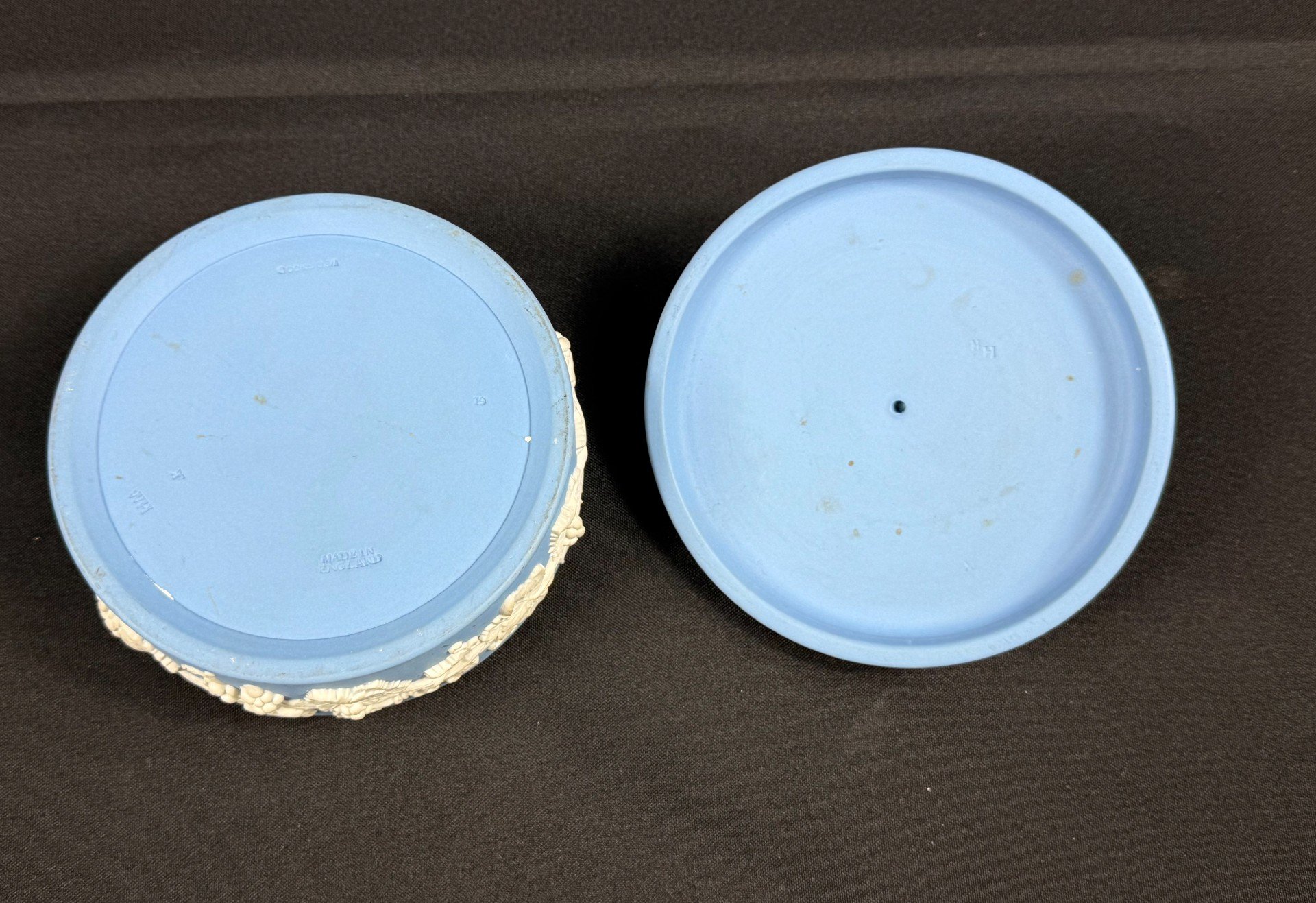
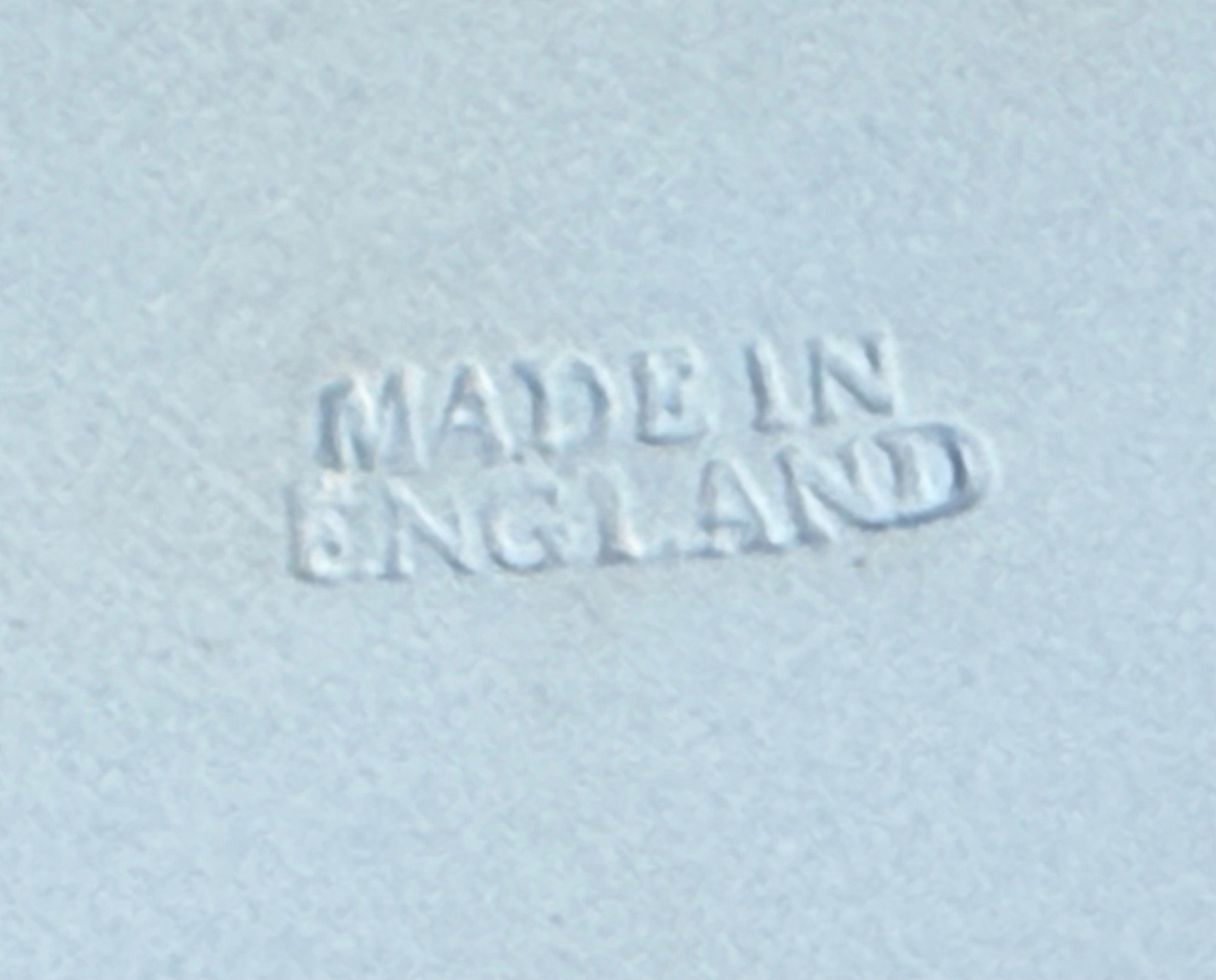
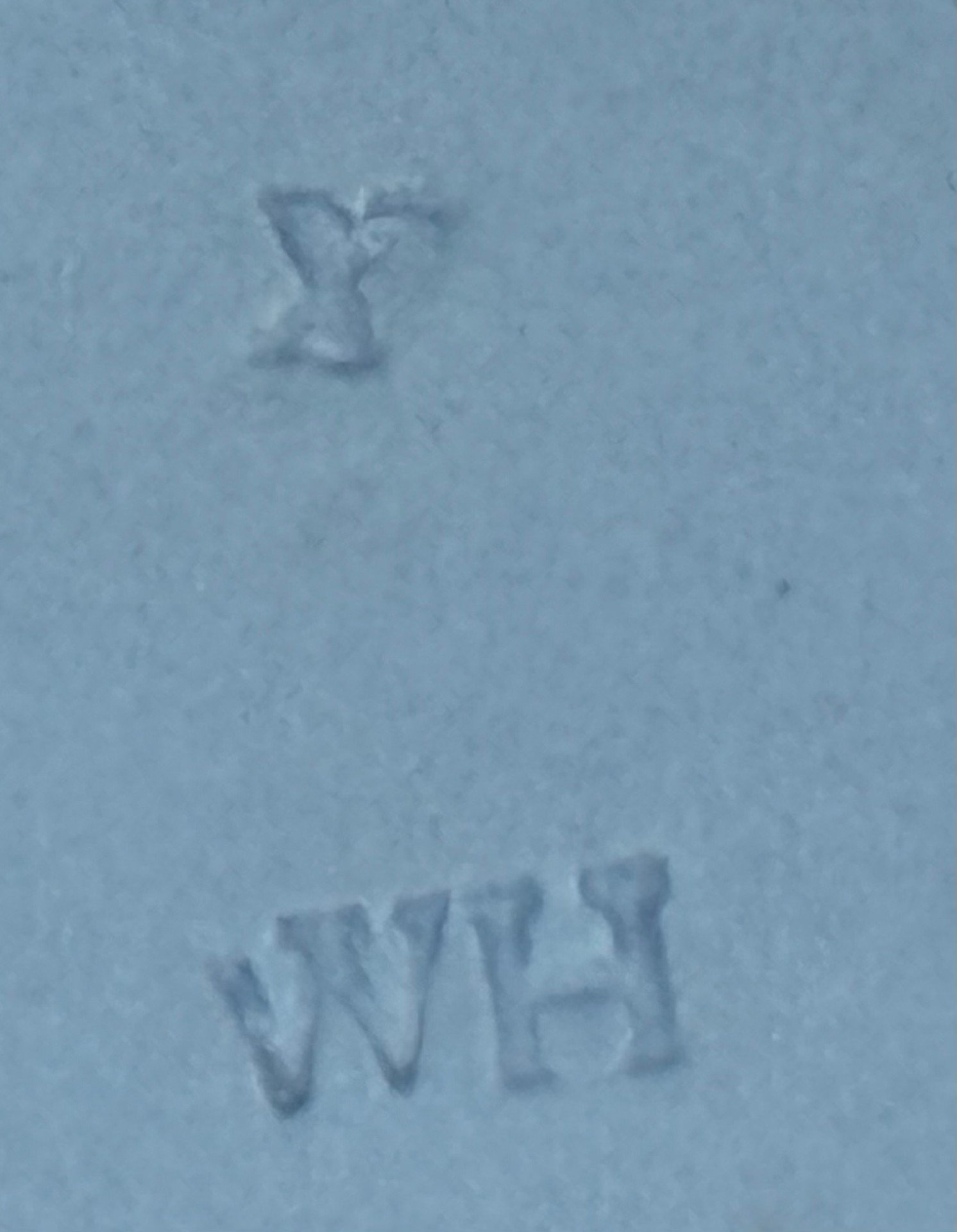
Signed Wedgwood
Diameter 15 cm Height 8.5 cm
A little history:
The present company, Josiah Wedgwood and Sons Ltd, was founded in 1895. It took over the skills and assets of the earthenware and luxury accessories manufacturer founded on May 1, 1759 by English potter and entrepreneur Josiah Wedgwood.
Following the development of Black Basalt (a trade name unrelated to the volcanic rock), a unique, very hard, black stoneware, he introduced his best-known earthenware, called pâte jaspée (or Jasperware), to France. This dry-body (unglazed) earthenware is tinted and covered with bas-relief applications of white earthenware, using a slip. The motifs can also be colored on a white body. These applications are inspired by antiquity[7]. Model-maker James Yaffe and sculptor John Flaxman supplied the small bas-reliefs, which were then duplicated ad infinitum using small molds[8]. On Black Basalte, the decoration is painted with encaustic, making it possible to counterfeit antique ceramics.
In the midst of the European neo-classical wave, Josiah Wedgwood's cameos and decorative objects in Jasperware made his reputation. The background of Jasperware is generally pale blue (known as Wedgwood blue), but other colors are also available[10]: yellow, lilac, ochre, pale green and black (often mistaken for Black Basalt).
Jasperware production was phased out after the Second World War.
Ref: PSRC1D1MWS
| Condition | As new |
| Style | Art Nouveau (Groups, Figurines, Biscuits of Art Nouveau Style) |
| Period | 20th century (Groups, Figurines, Biscuits 20th century) |
| Country of origin | United Kingdom |
| Height (cm) | 9 |
| Diameter (cm) | 13 |
| Materials | Biscuit, Porcelain |
| Shipping Time | Ready to ship in 4-7 Business Days |
| Location | 68530, MURBACH, France |
| Shipping Information | All items will be carefully packed and shipped by colissimo registered post or Chronopost. For large items (furniture, very large pieces of faience, extremely fragile objects), suitable packing and transport will need to be arranged, so a tailored quotation must be requested. |
4 commitments to buy with confidence

 English
 Français
 Italiano
 Deutsch