This description has been translated and may not be completely accurate. Click here to see the original
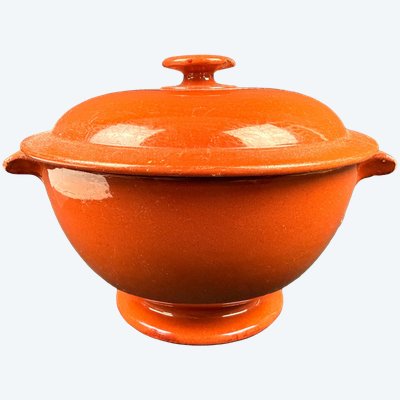
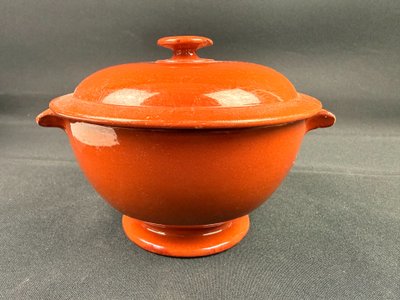
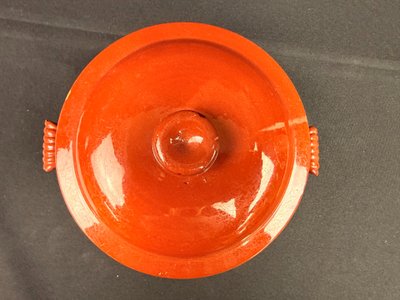
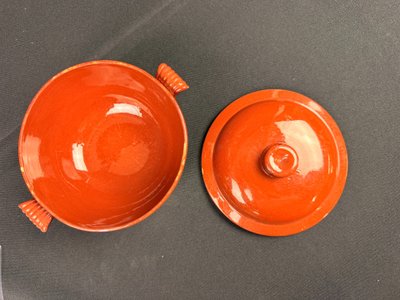
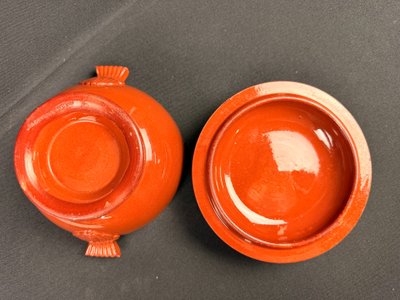
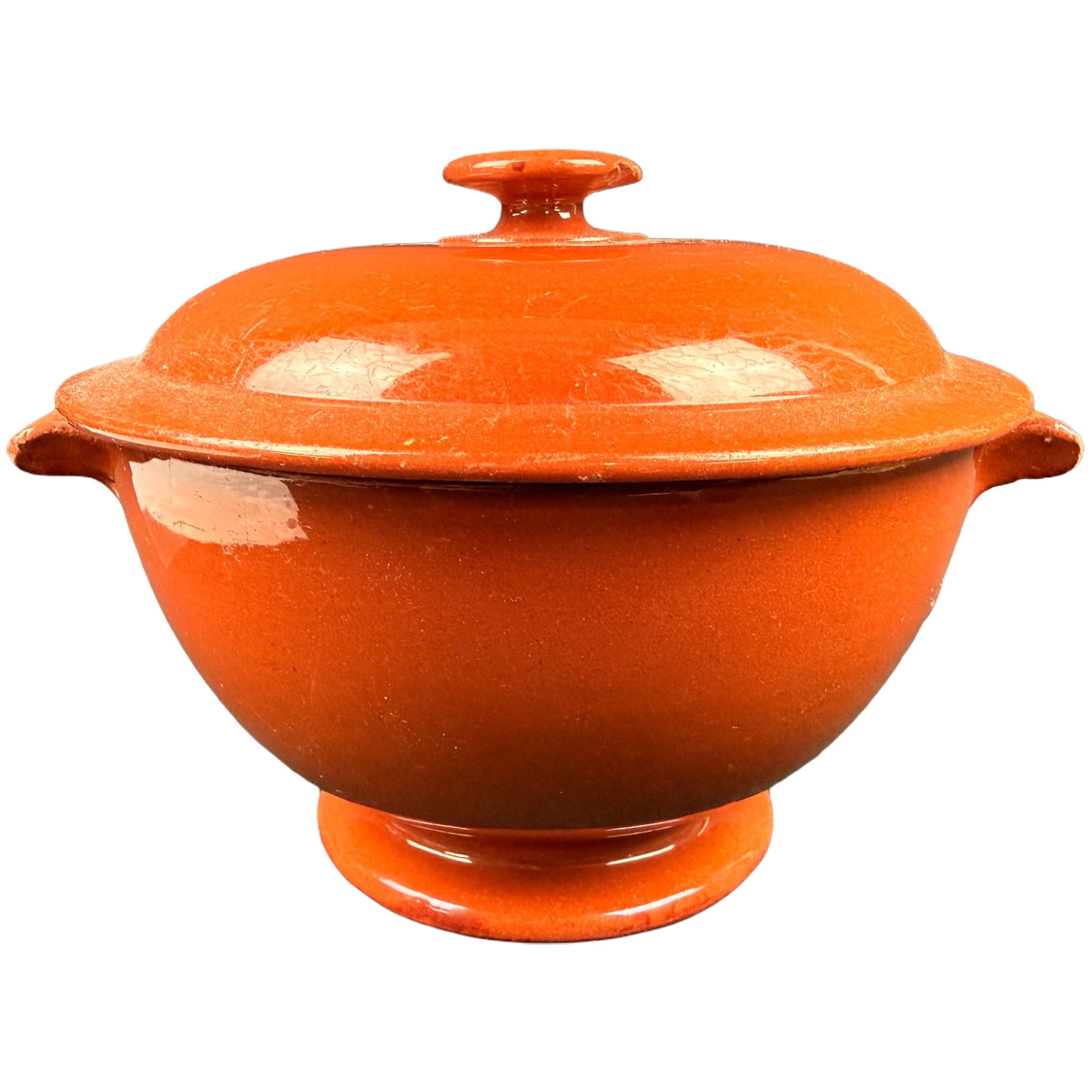
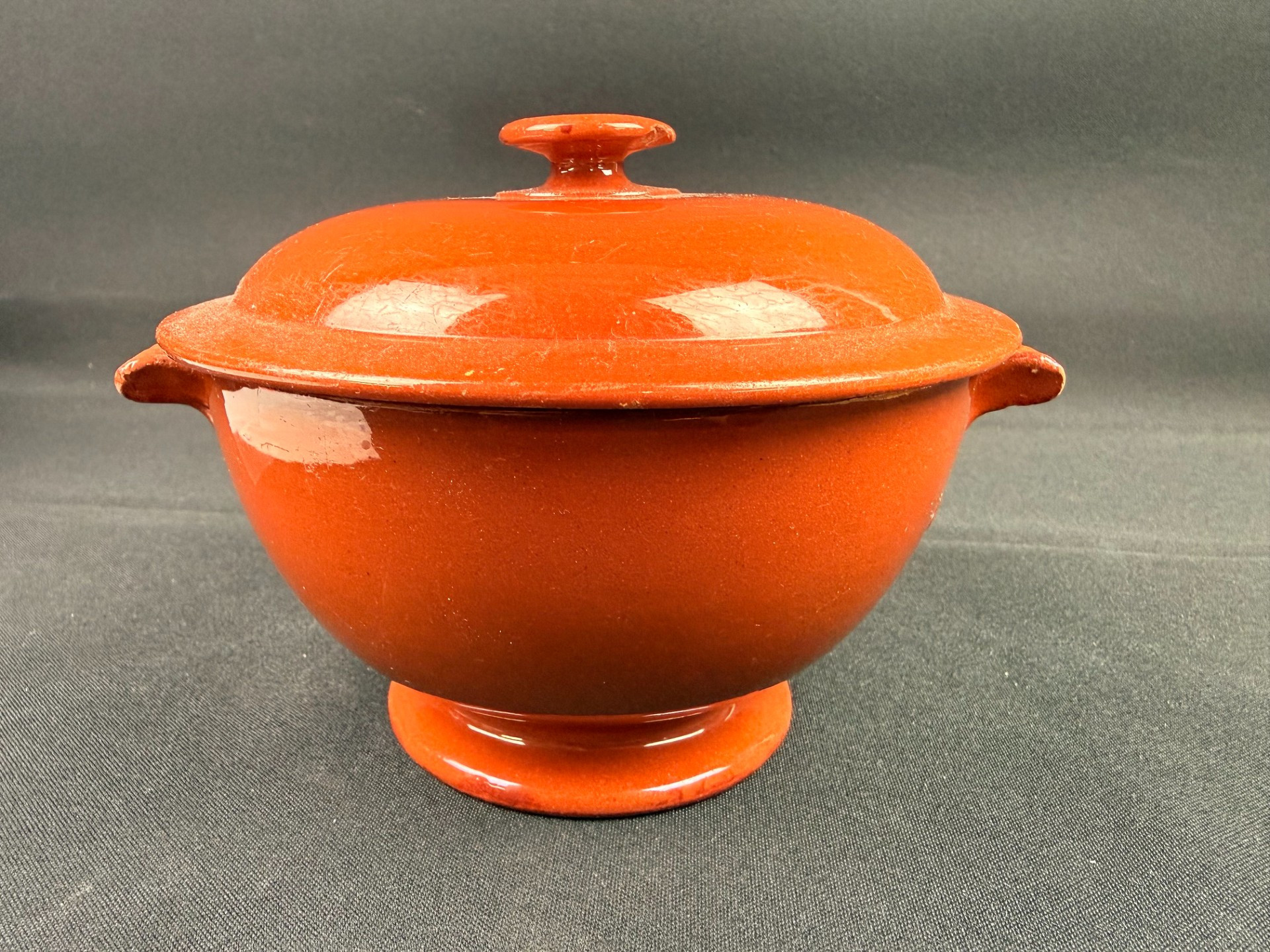
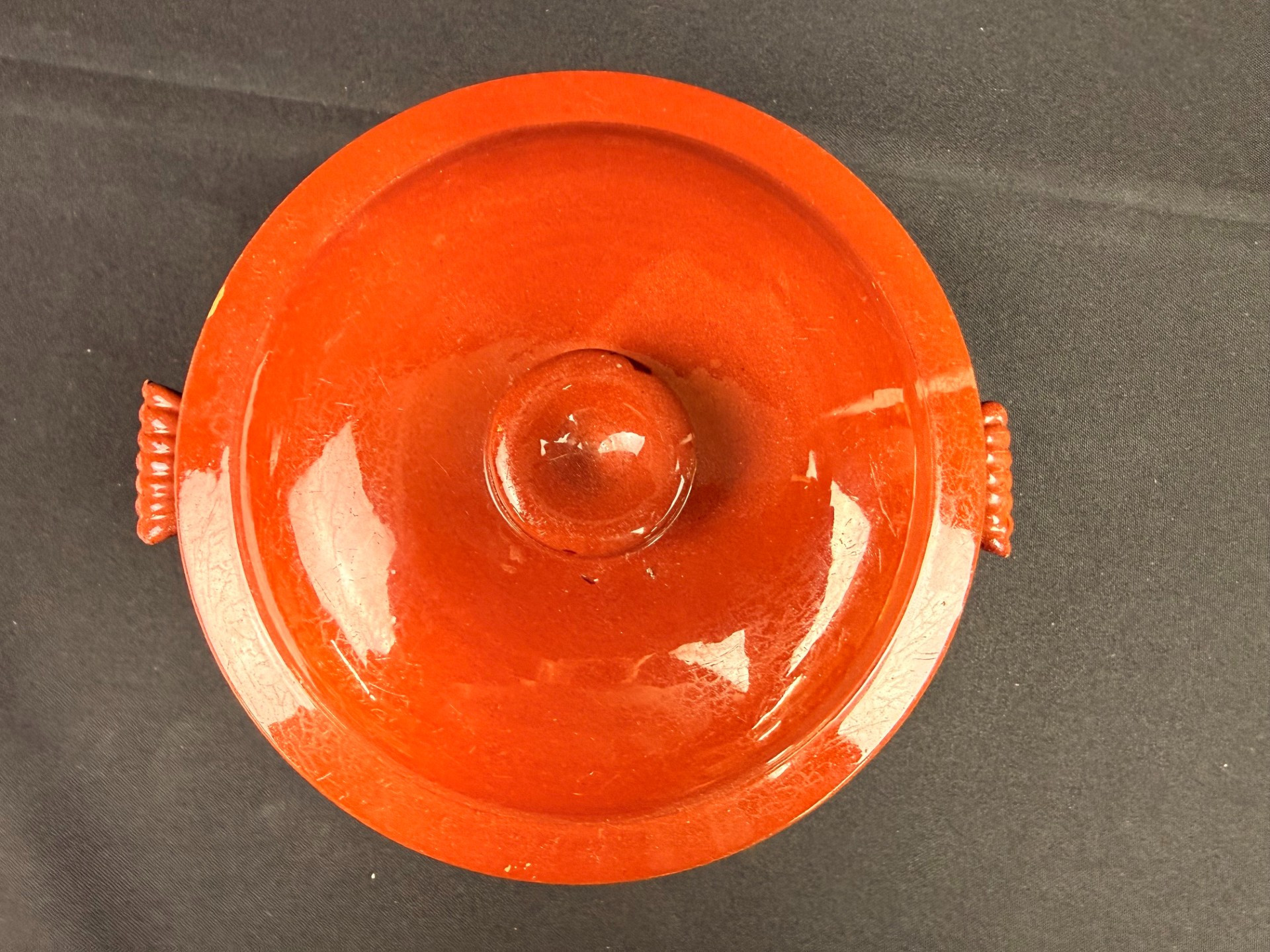
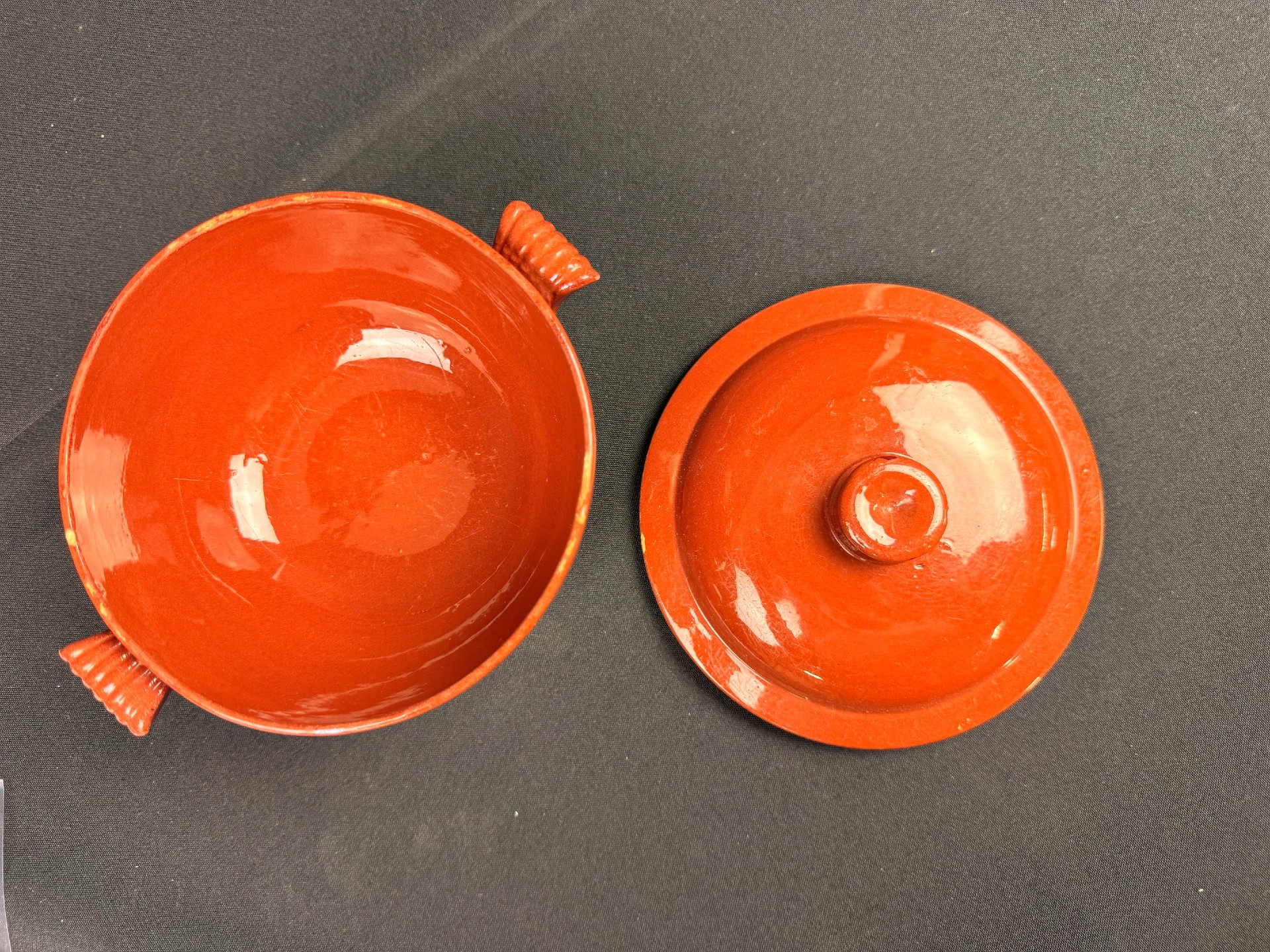
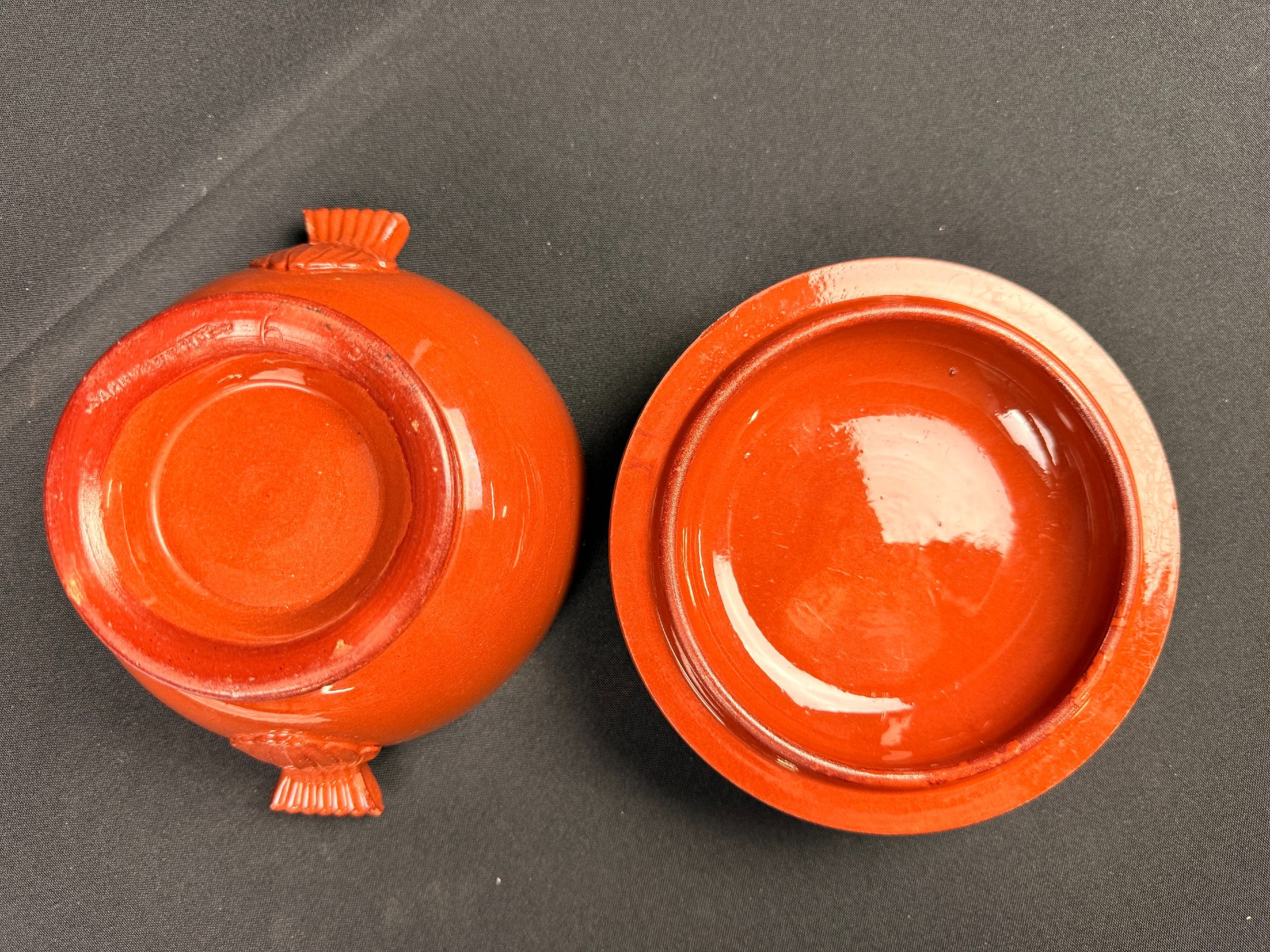
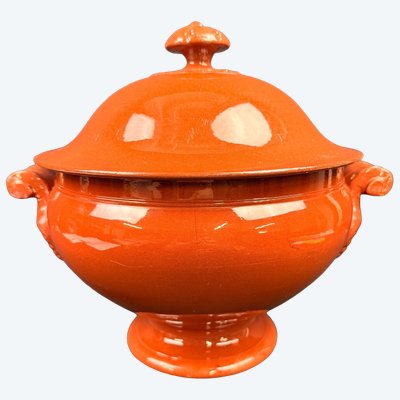
Carmelite earthenware soup bowl, glazed in a reddish-brown color
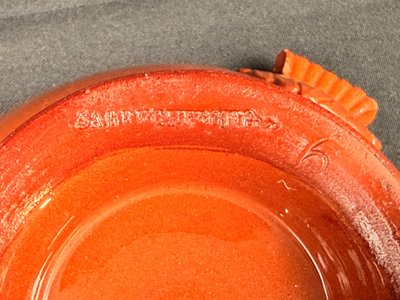
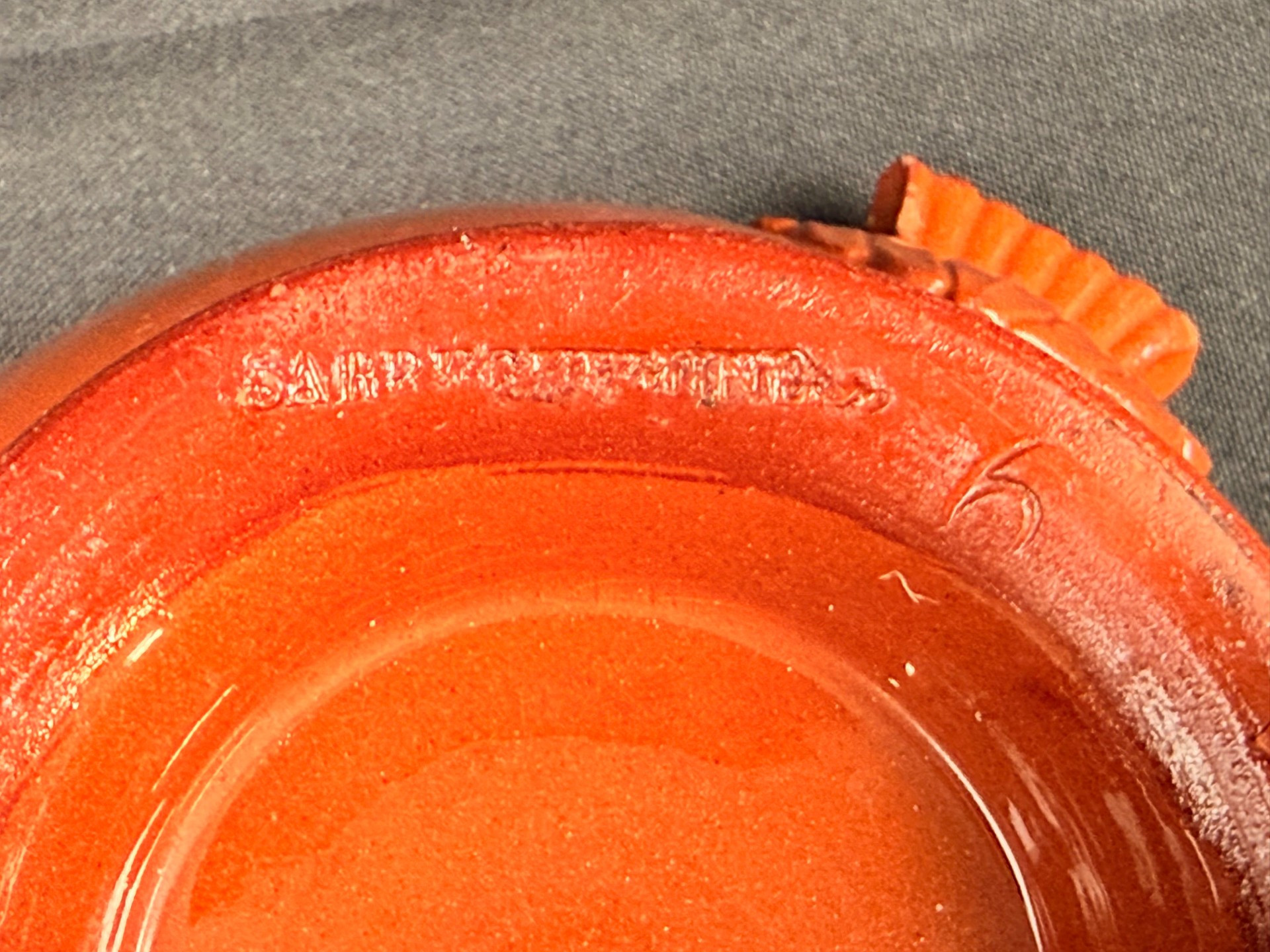
Features an incised “Sarreguemines” mark, indicating it was made between 1835 and 1840
In very good condition, and quite rare—complete with its lid!
Height 12 cm, Diameter 15 cm
A Brief History of the Sarreguemines Pottery
Over two centuries (1790–2007), the small family-run business founded during the Revolution has come a long way. Many enthusiasts of these cheerful and colorful pieces can be found all over the world. The pottery was a favored supplier to Napoleon I and enjoyed a true golden age in the 19th and early 20th centuries, collaborating with ceramicists who created rich patterns and colorful glazes, as well as artists such as Henri Loux and Victor Kremer, among others. Paul Utzschneider, followed by his son-in-law, Alexandre de Geiger, and the latter’s son, Paul de Geiger—true jack-of-all-trades—propelled the small town to the very forefront of the earthenware industry: as early as the 19th century, Sarreguemines offered a vast collection of earthenware, vases, planters, wall murals, fireplaces, and more to the entire world.
The annexation in 1870 led to the creation of the Digoin and Vitry-le-François factories, which were merged in 1919 by the Cazal family under the name Sarreguemines-Digoin-Vitry-le-François.
During World War II, the earthenware factory was placed under receivership and entrusted to Villeroy & Boch; then, in 1978, a takeover bid by the Lunéville-Badonviller-Saint-Clément group led to the discontinuation of tableware in favor of wall and floor tiles, walls, and floors, and the factory was renamed Sarreguemines Bâtiment. Restructuring plans followed in 2002 and 2005 with a takeover by employee shareholders, and finally, court-ordered liquidation brought the pottery’s history to an end in 2007.
The Lunéville-Saint-Clément pottery continued to produce certain designs, including the famous “Obernai” dinner service decorated by Henri Loux, until its own judicial liquidation in 2022.
Ref: RZOP1CWJRA

 English
 Français
 Italiano
 Deutsch
 JAPANESE fan...
230 € EUR