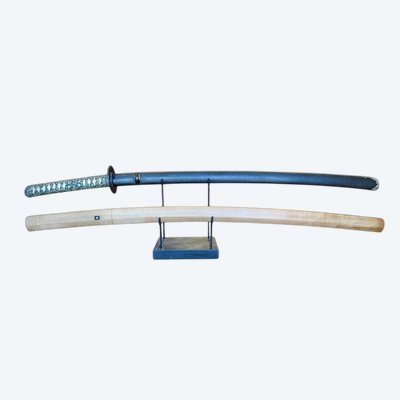
abre Japonais Katana, Signed KANESADA , With Certificate NBTHK - XVIIth century. -
slider-bg
more images

Would you like more images?

Abre Japonais Katana, Signed KANESADA , With Certificate NBTHK - XVIIth century. -

8.500 €
17th century
Asian Arts
DELIVERY
From: 93400, saint ouen , France

Change your address to get an accurate estimate of shipping costs.

    Item offered for sale by

    See the gallery
    This description has been translated and may not be completely accurate. Click here to see the original

    JAPAN - 9th year of the Kanbun era (1669).
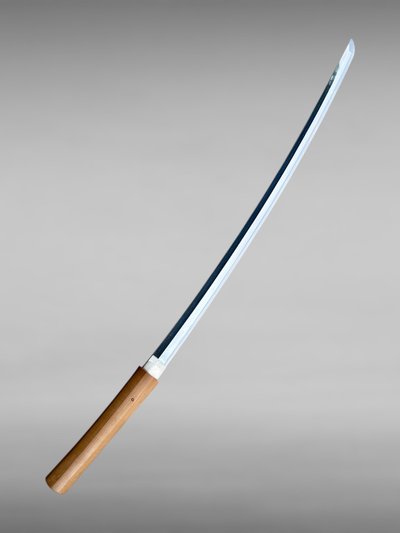
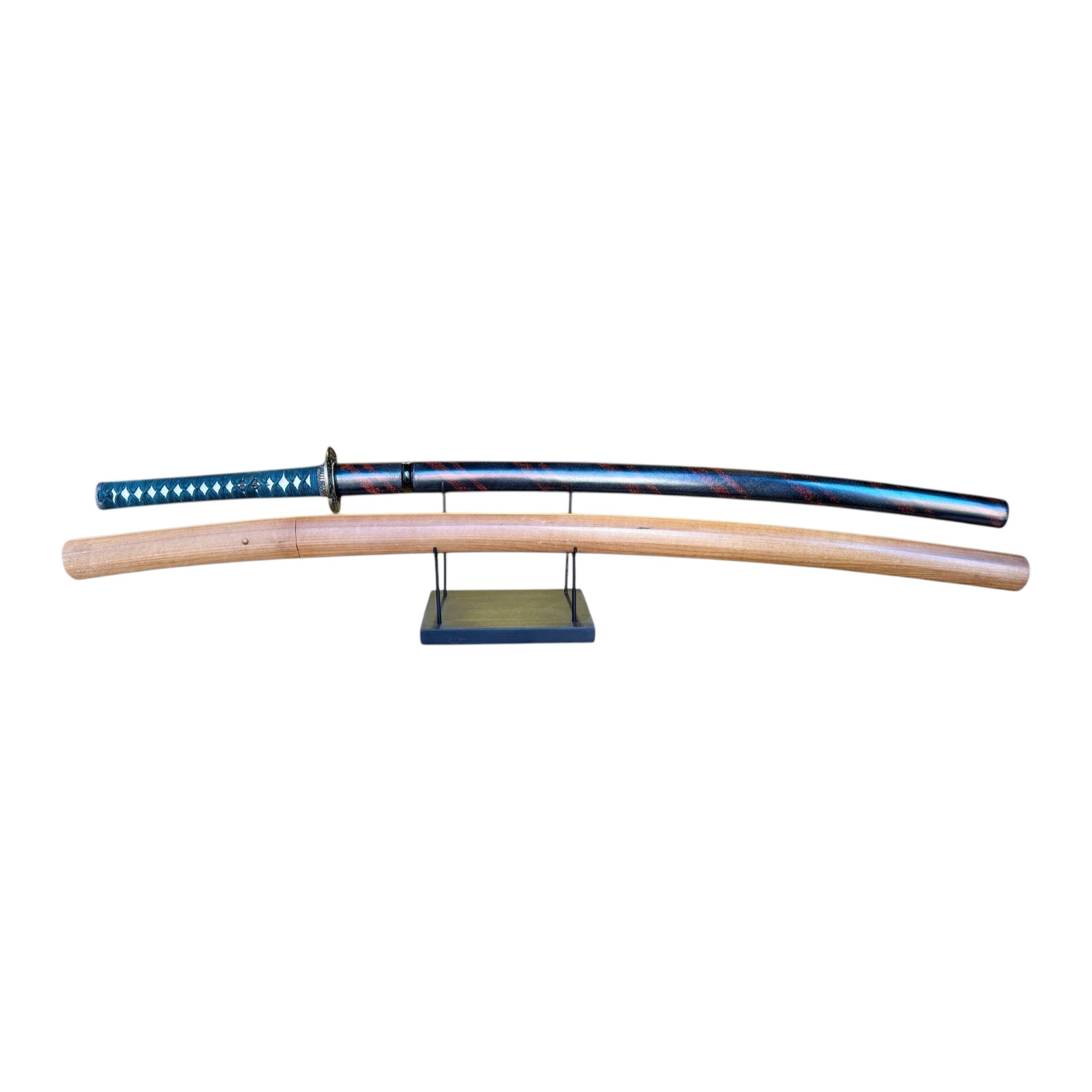
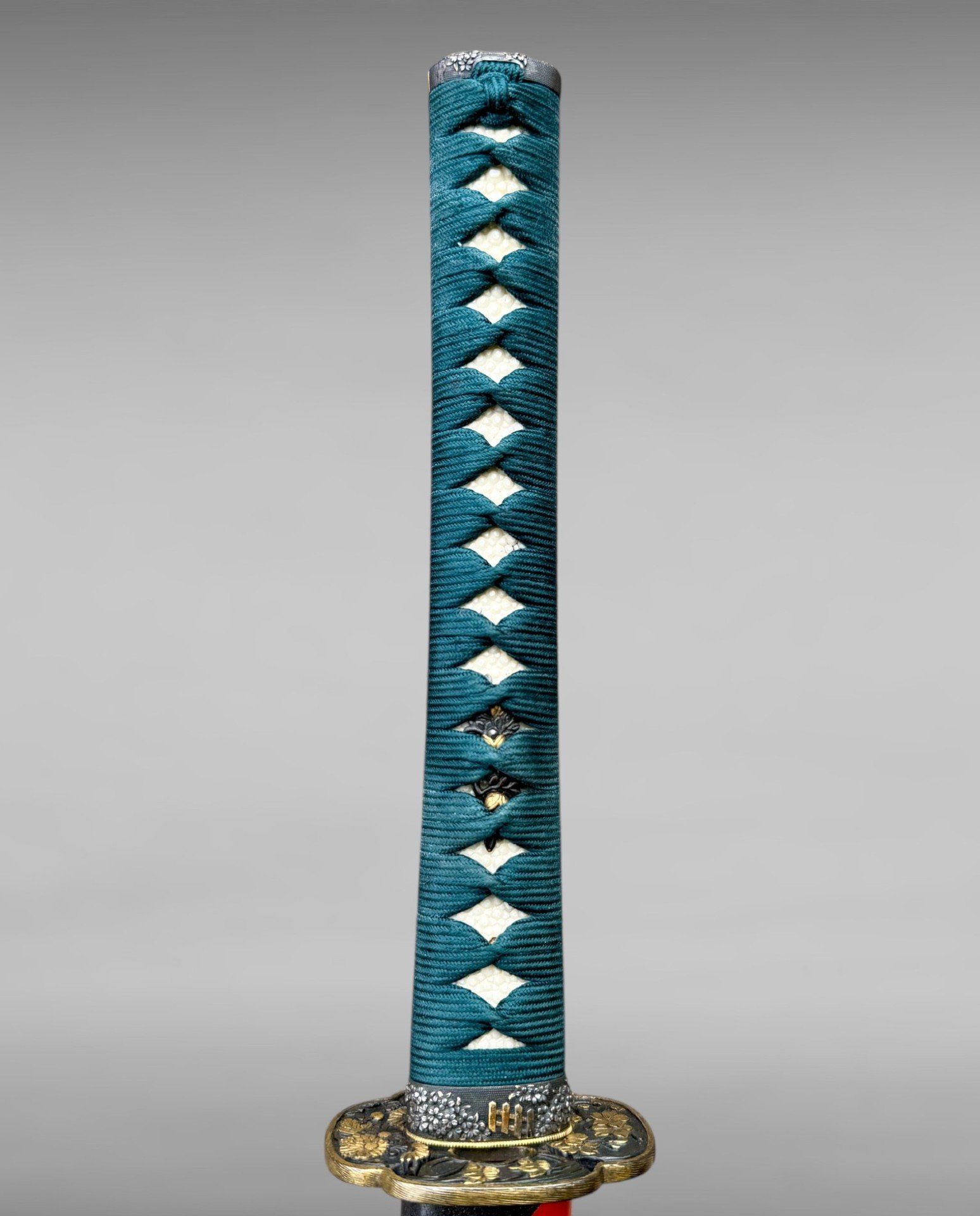
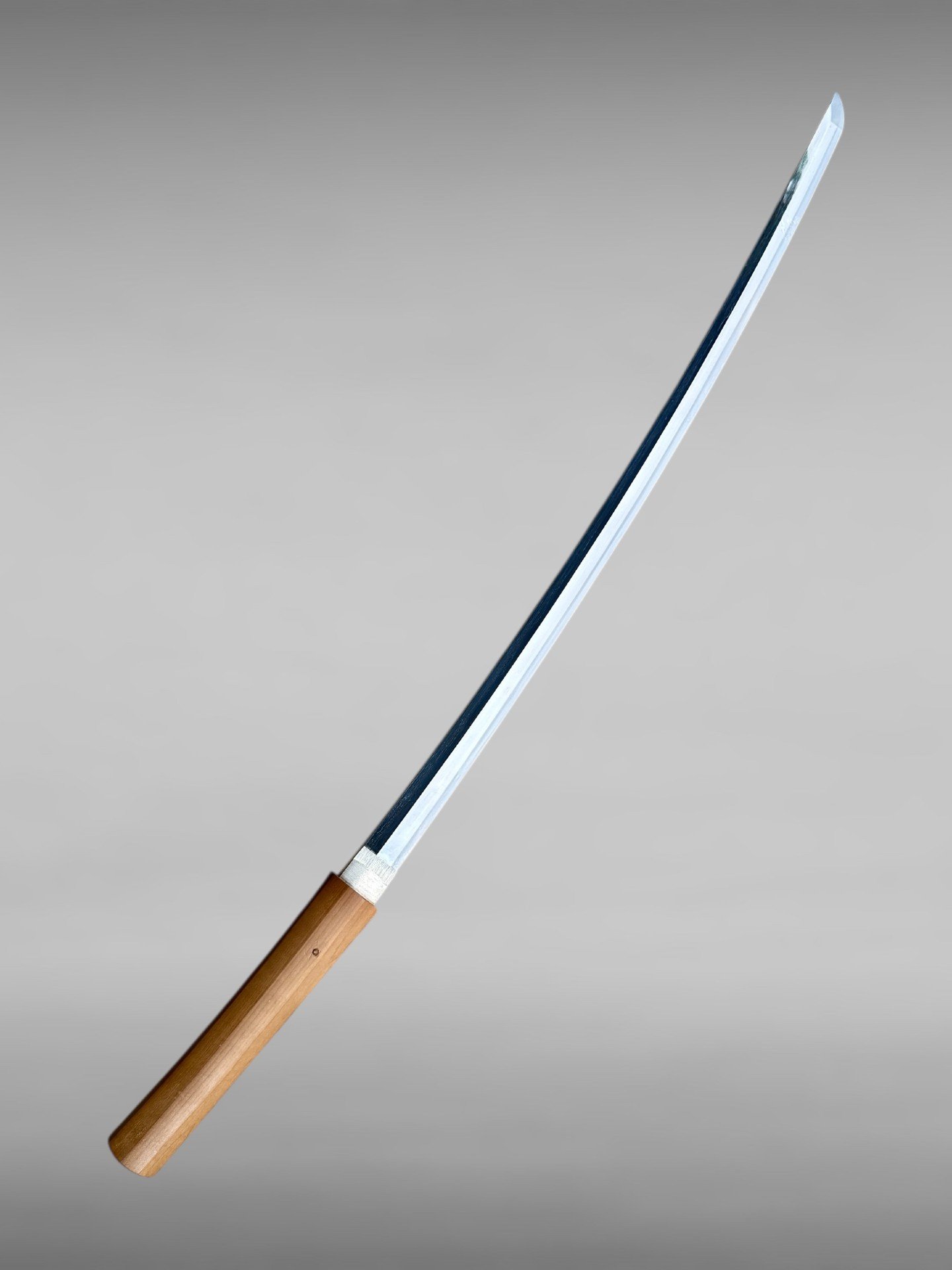
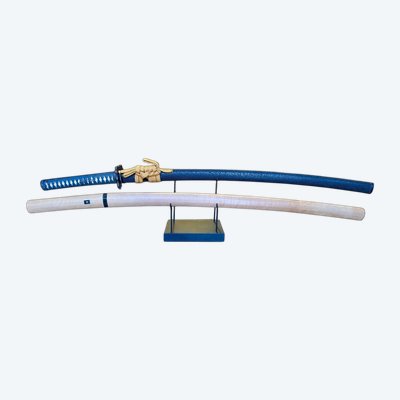
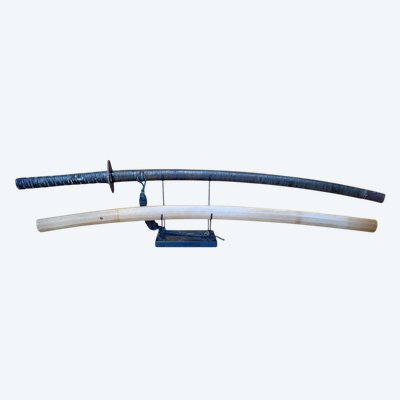
    Samurai shirasaya katana.
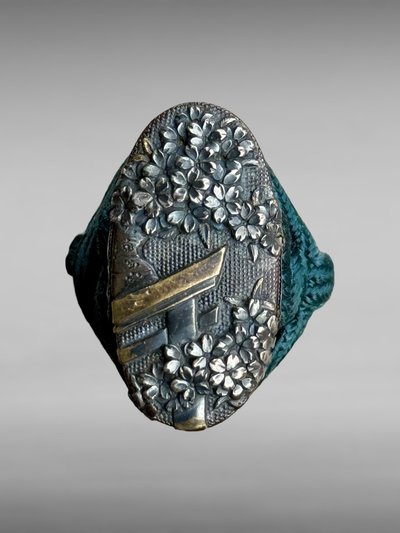
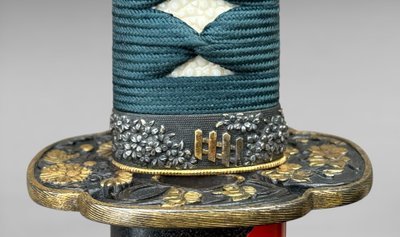
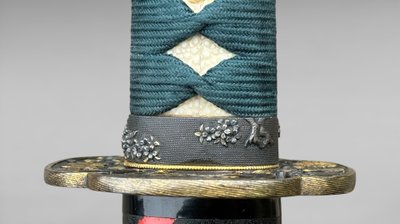
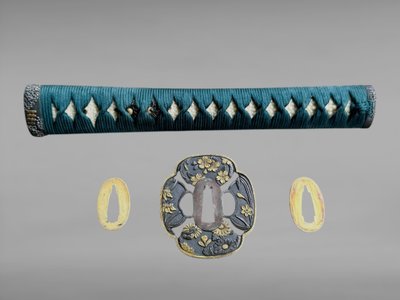
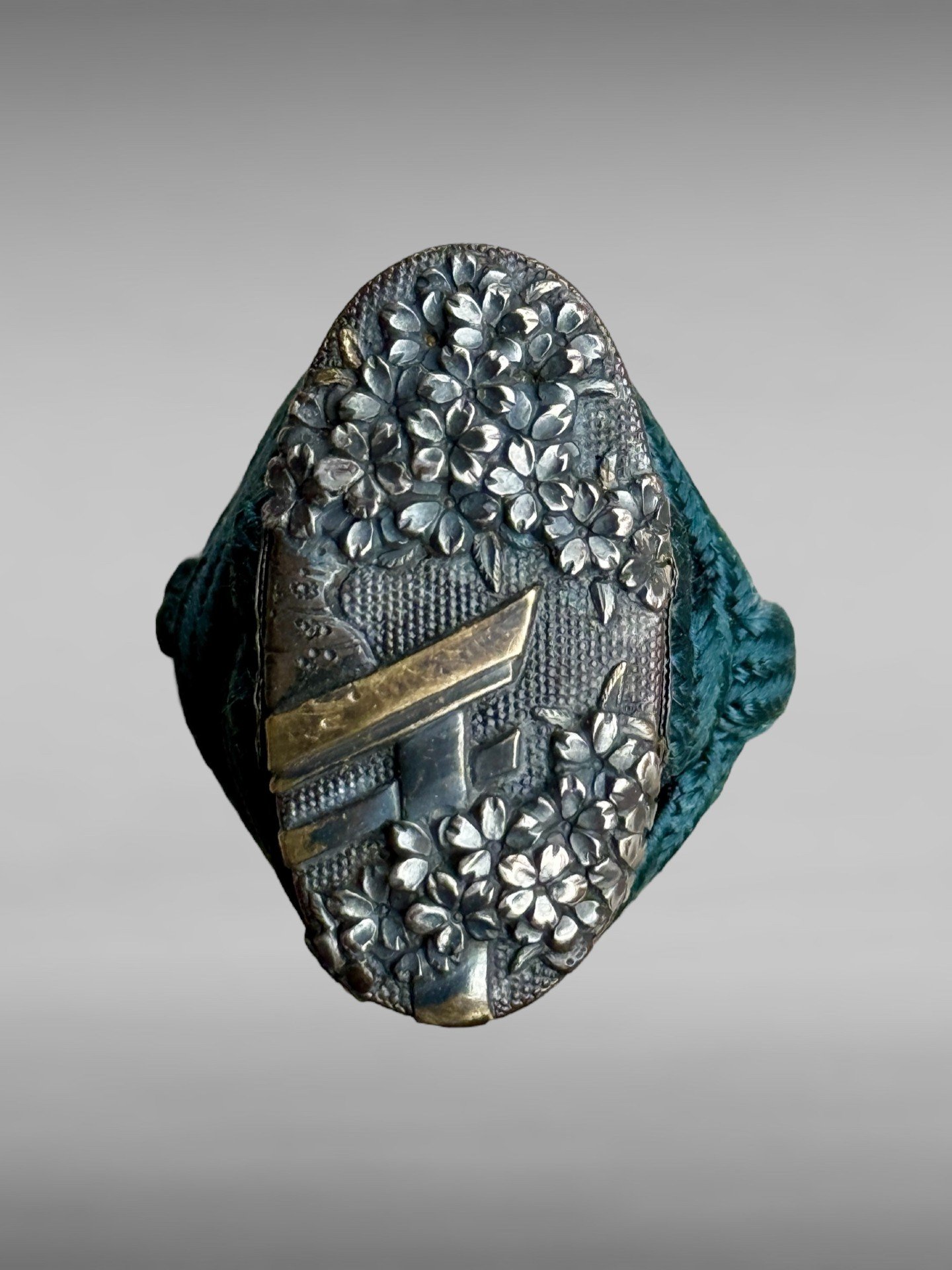
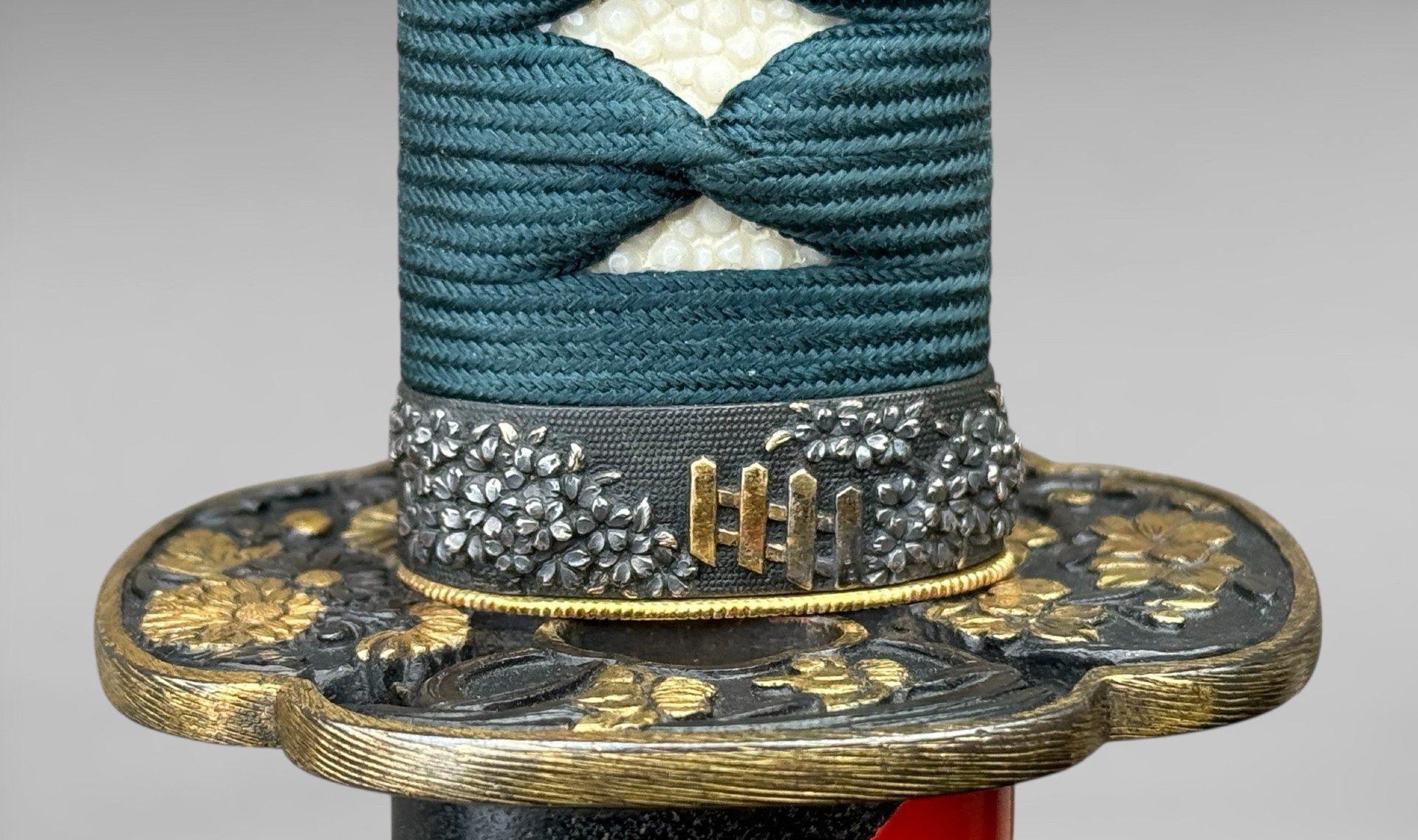
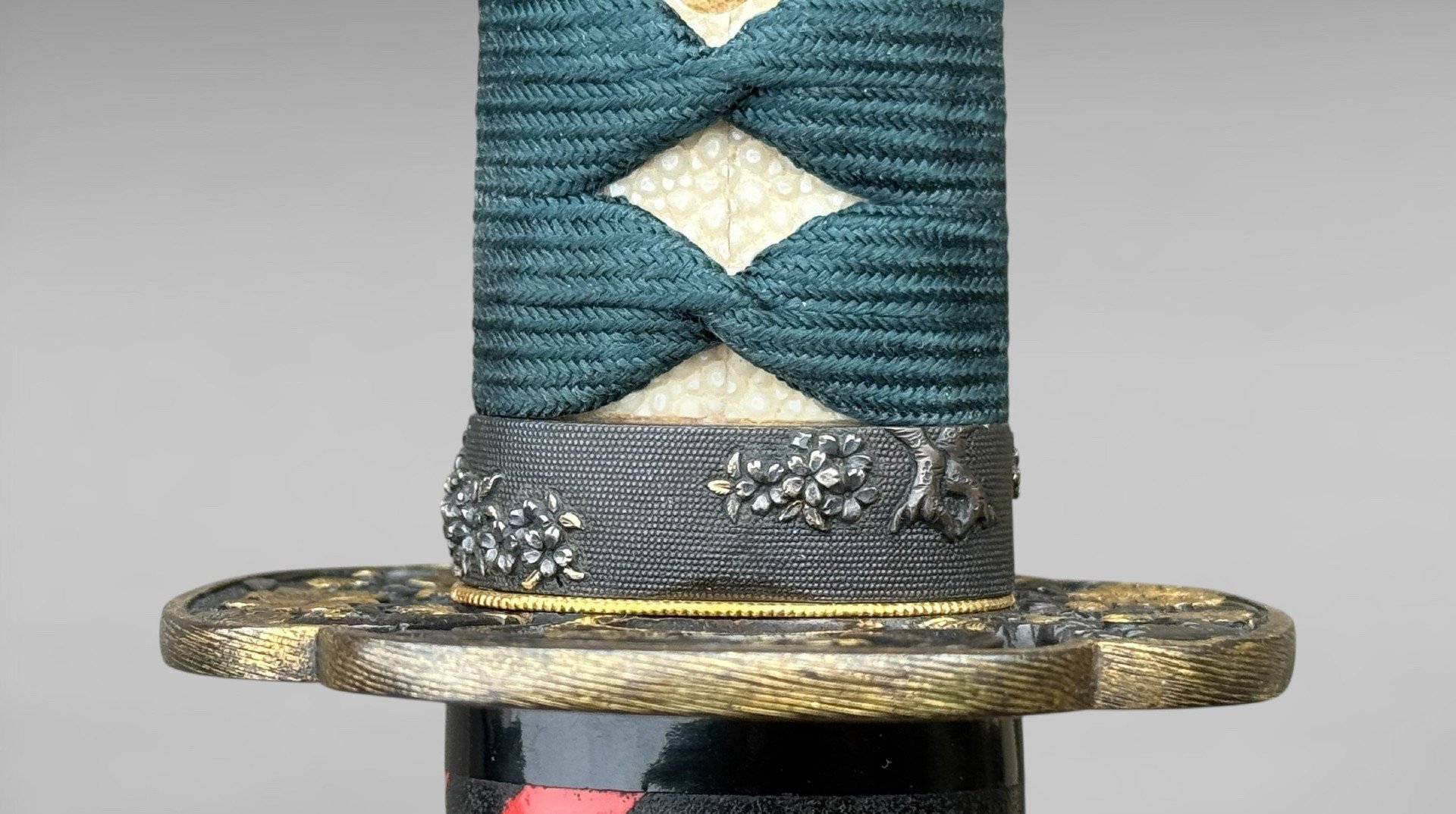
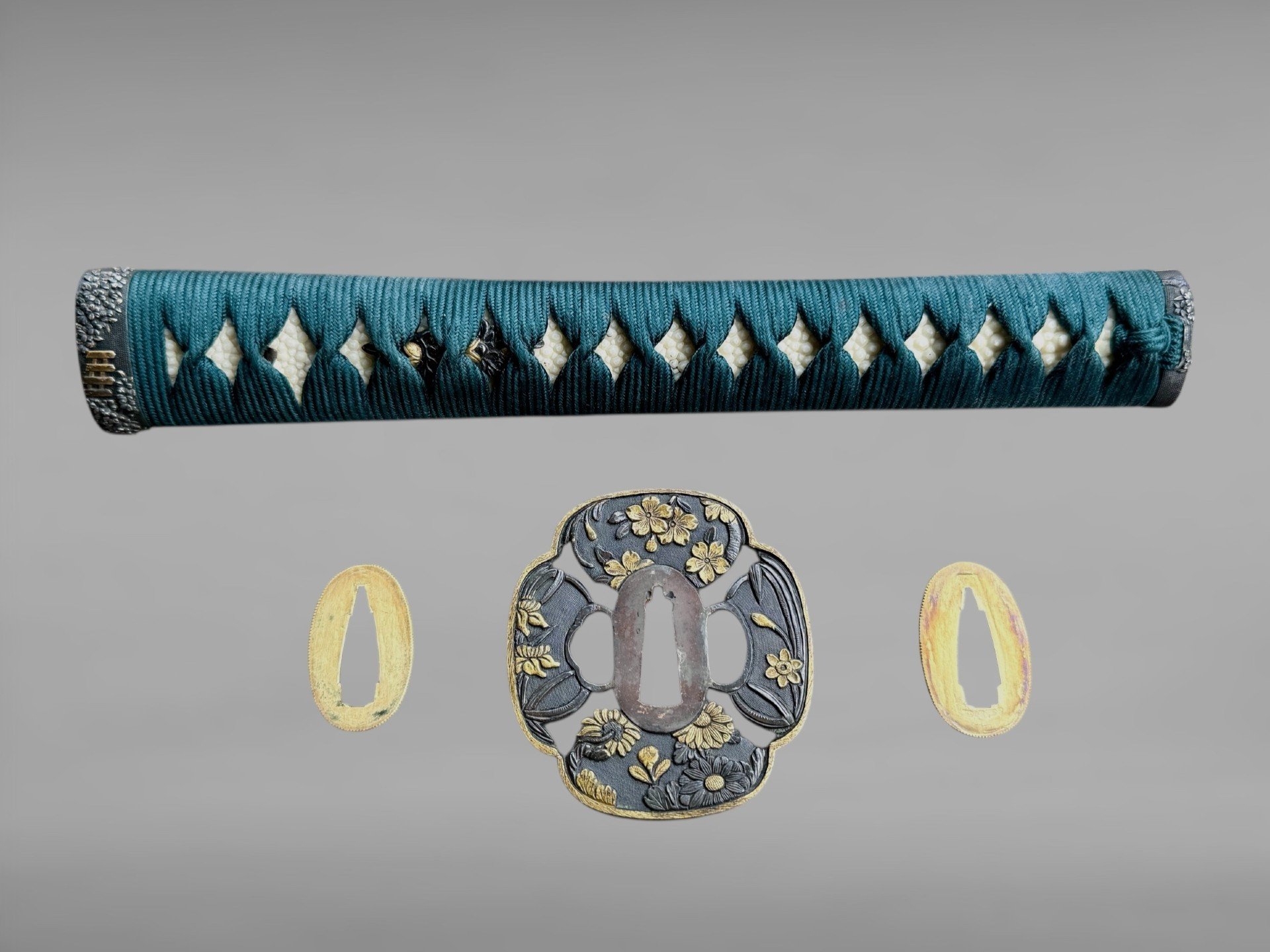
    FUSHI - KASHIRA en suite in patinated copper, silvered and gilded, decorated with cherry blossoms (associated with spring) on a nanako background.
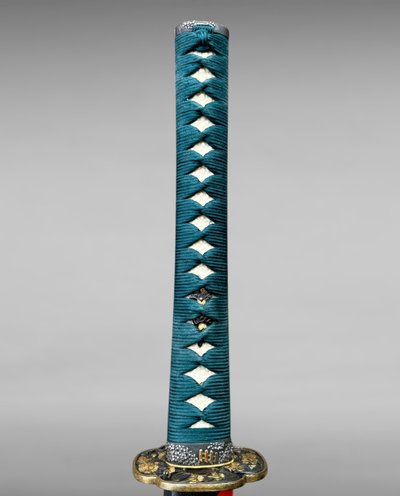
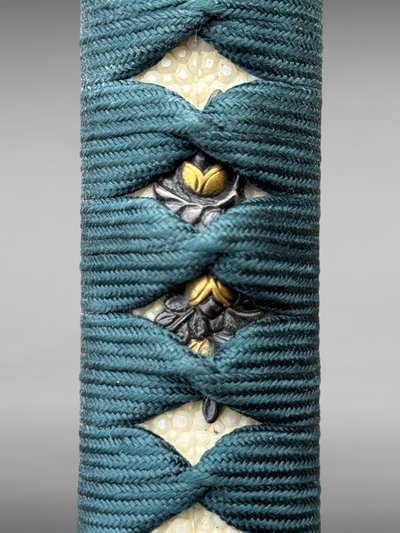
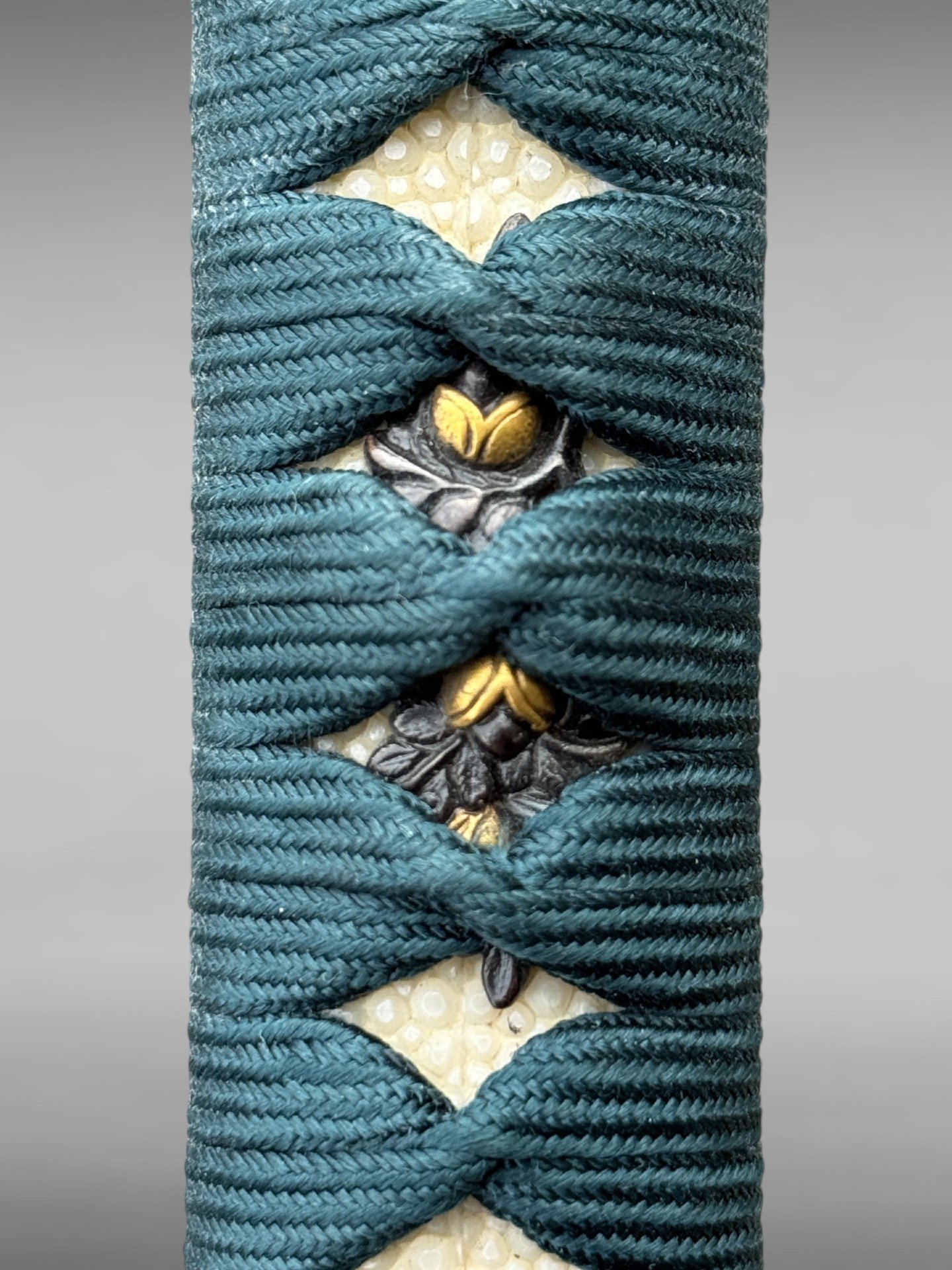
    Wooden TSUKA covered with ray skin and blue silk braid.
    Chased, patinated and gilded copper MENUKIS featuring stylized plant motifs (perhaps wisteria).
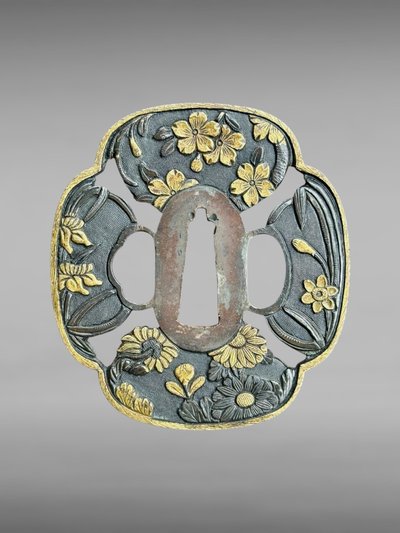
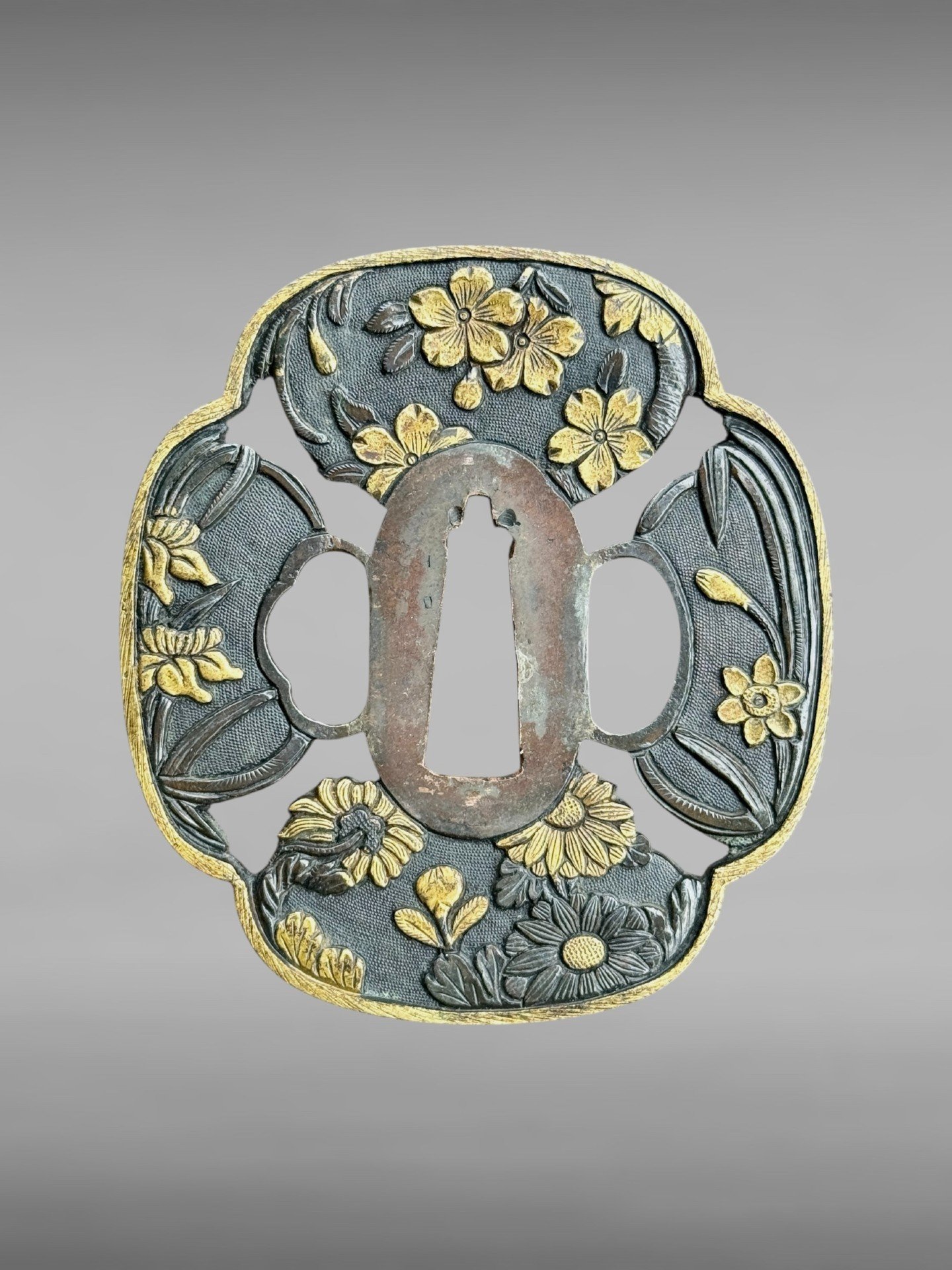
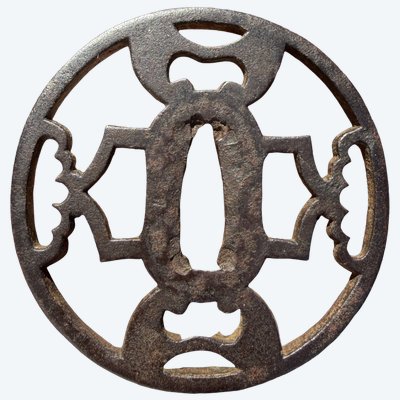
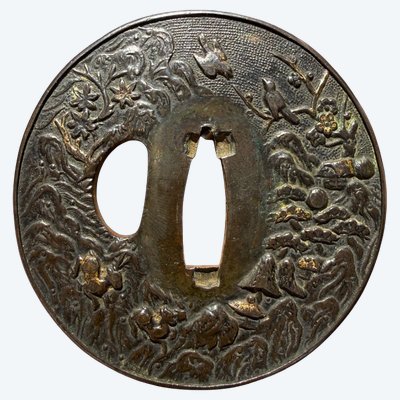
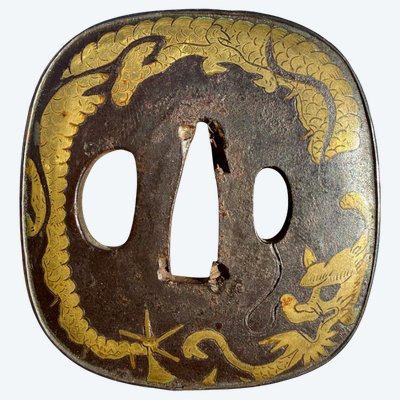
    TSUBA moko-gata in chased, patinated and gilded metal featuring cherry blossoms on a nanako background, the mimi hatched and gilded.
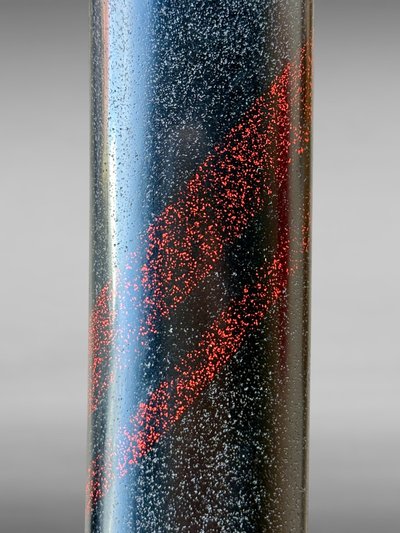
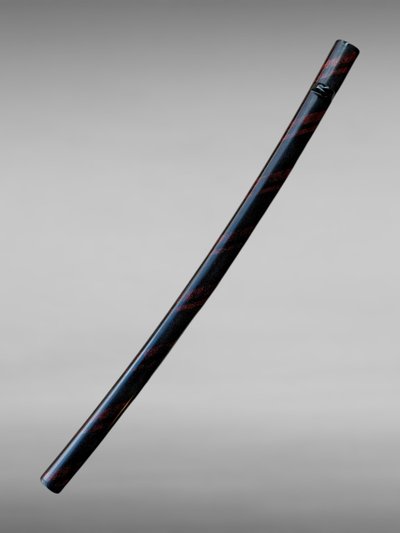
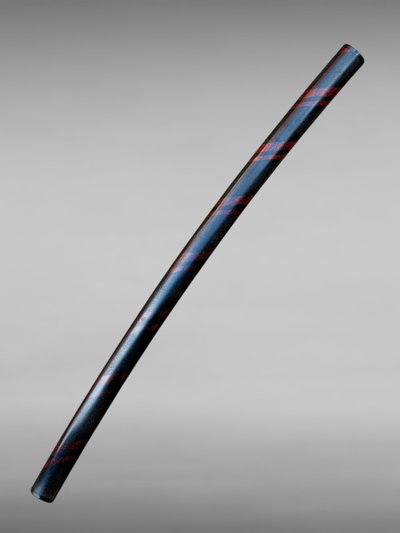
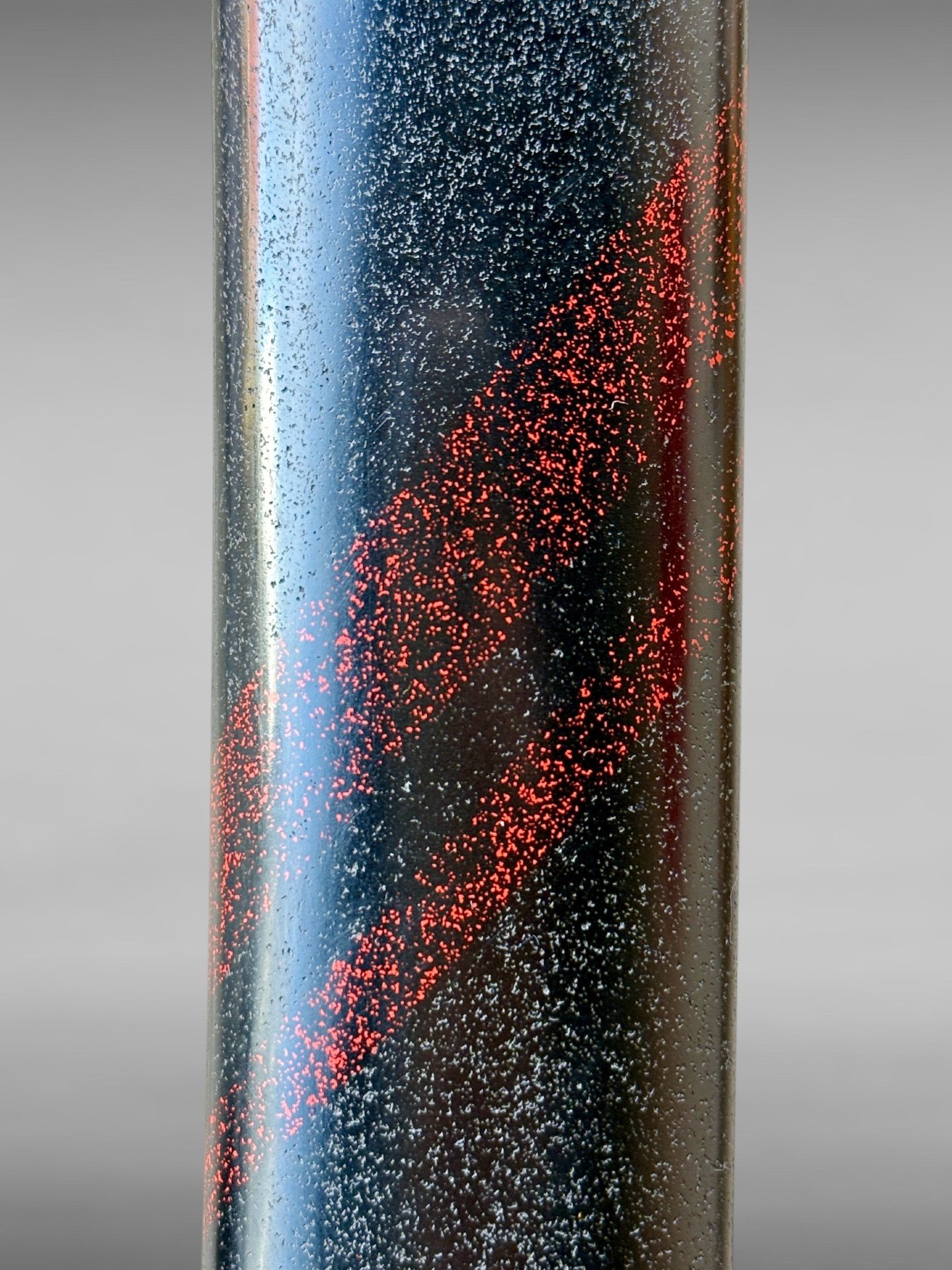
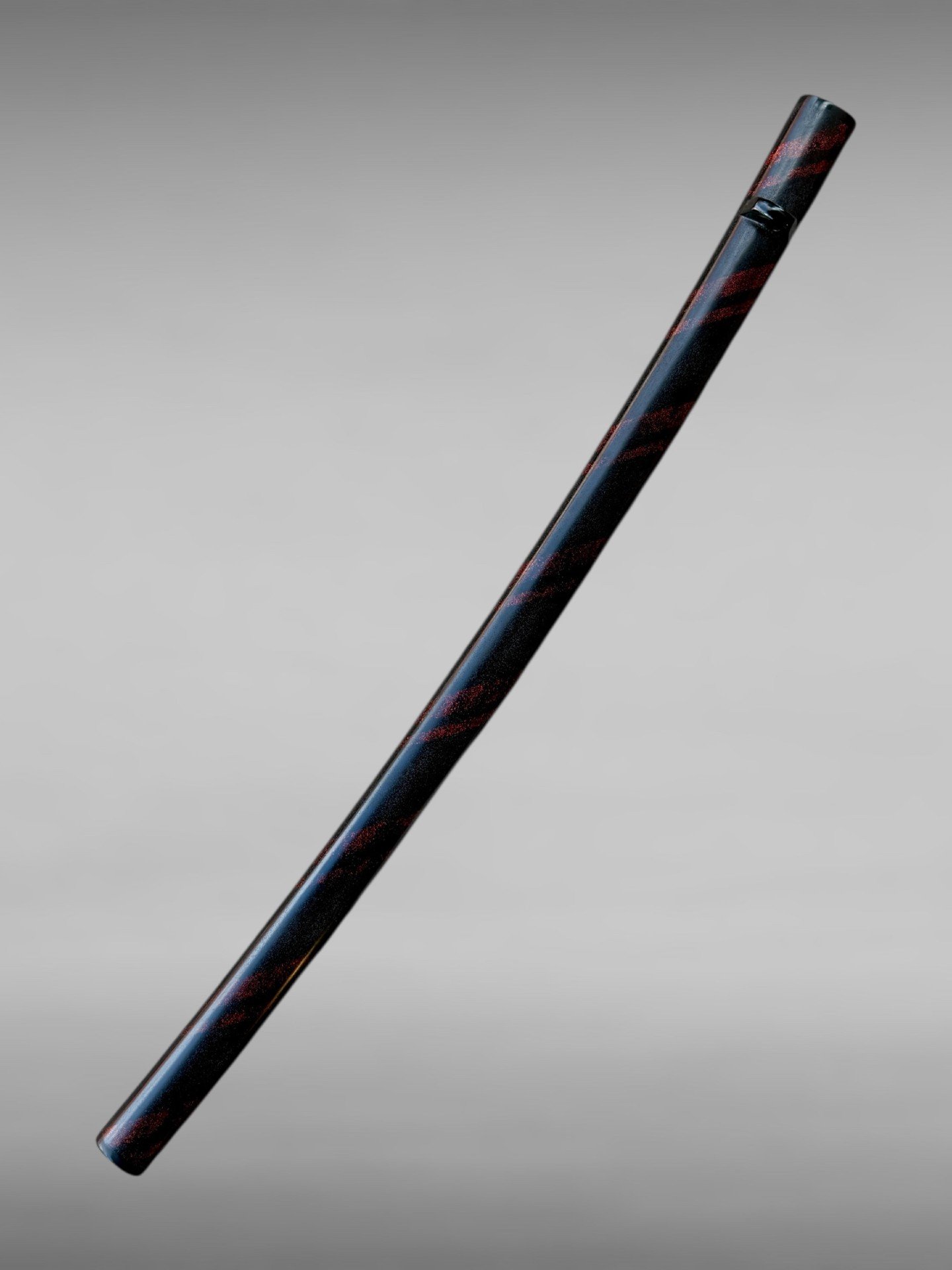
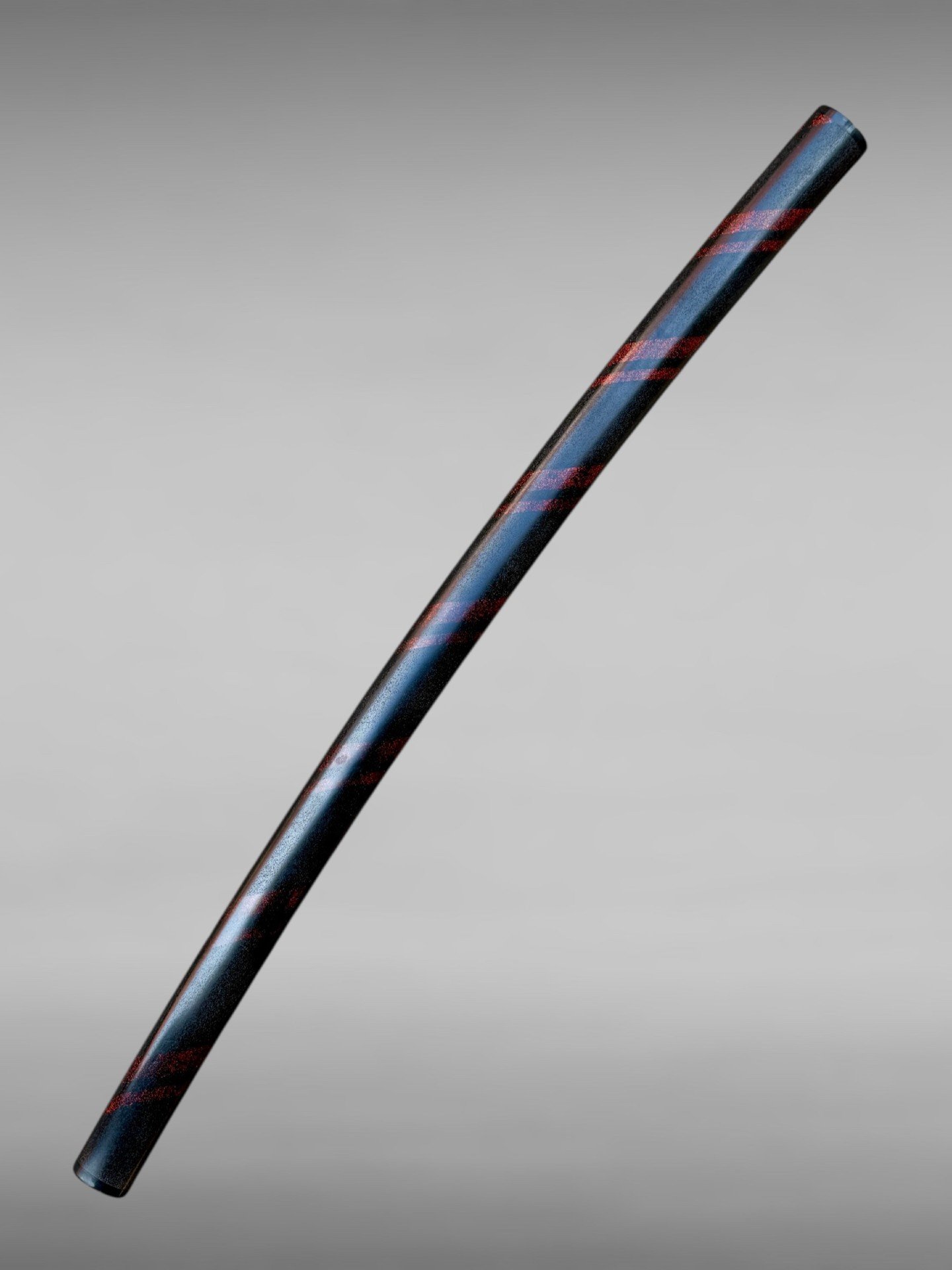
    SAYA in lacquered wood with a motif of red spirals (Hirumaki Nori) in light relief on a black background.
    Double HABAKI in silver-plated metal decorated with vertical and horizontal striations.
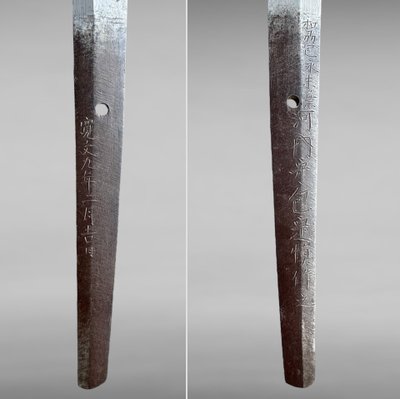
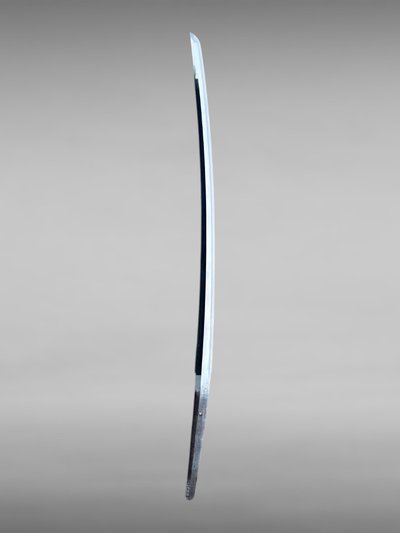
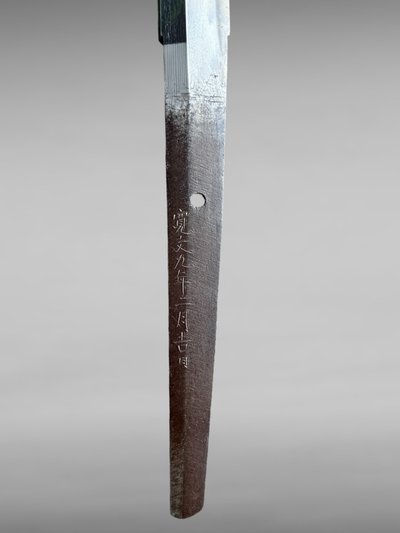
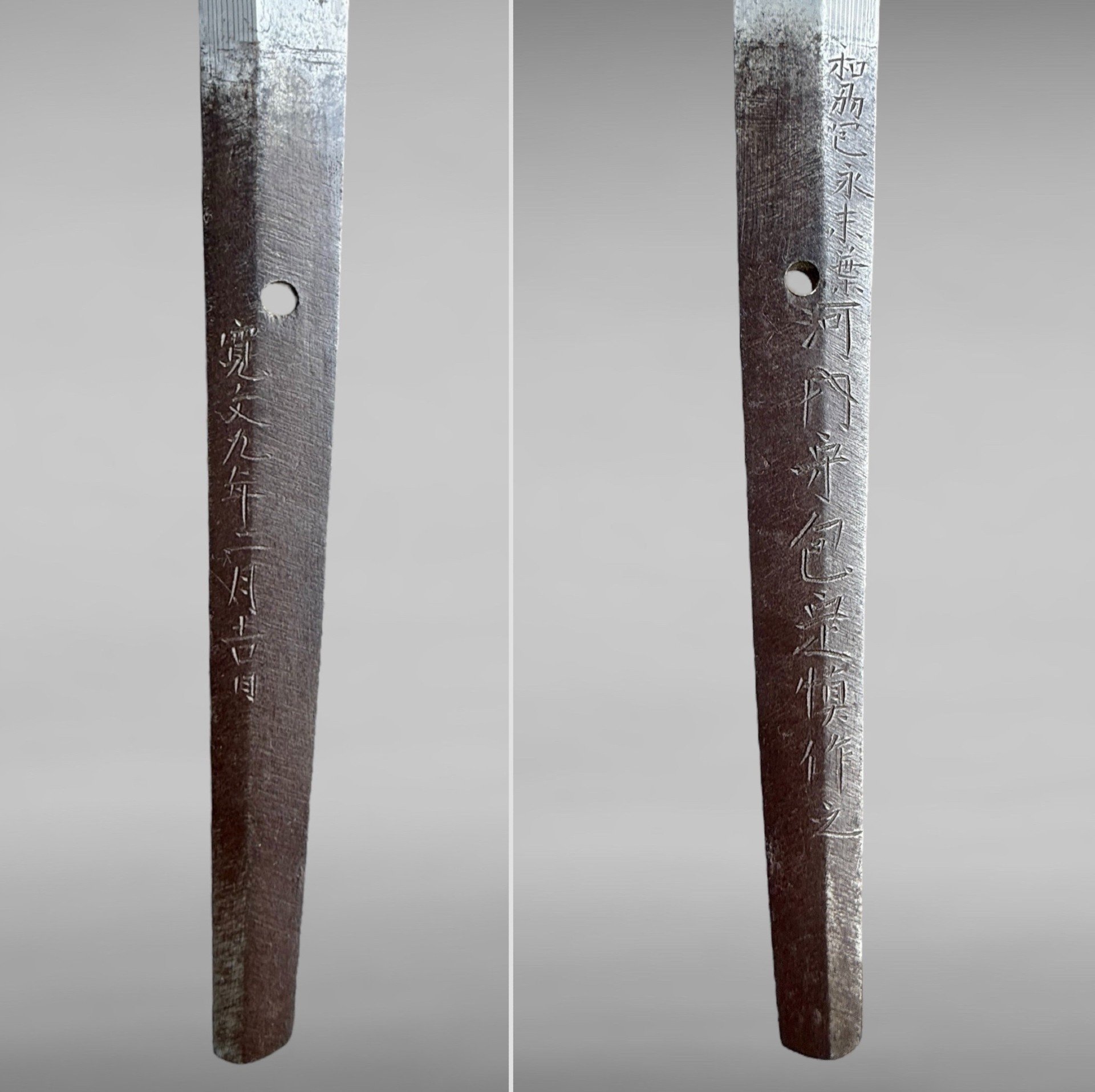
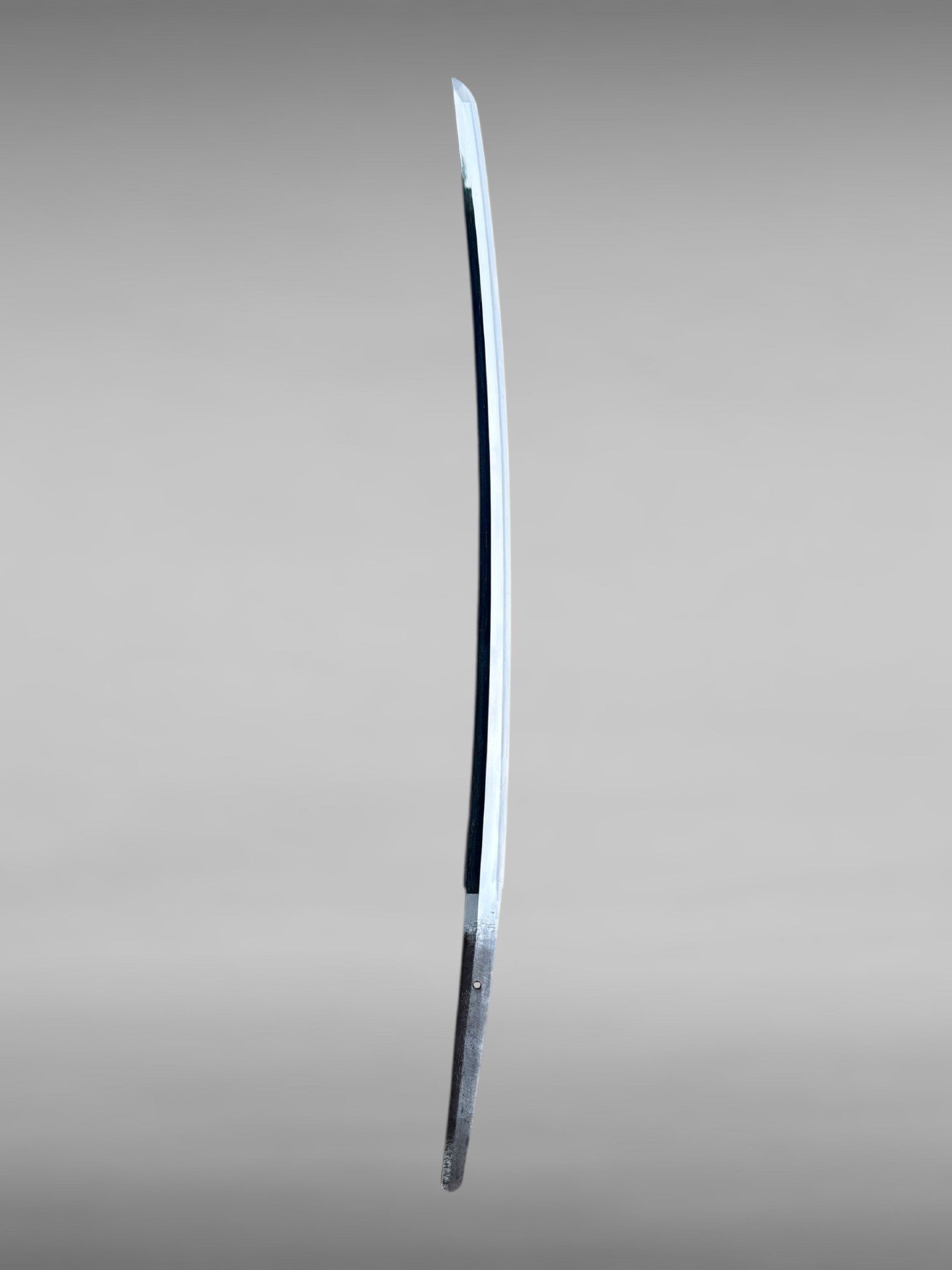
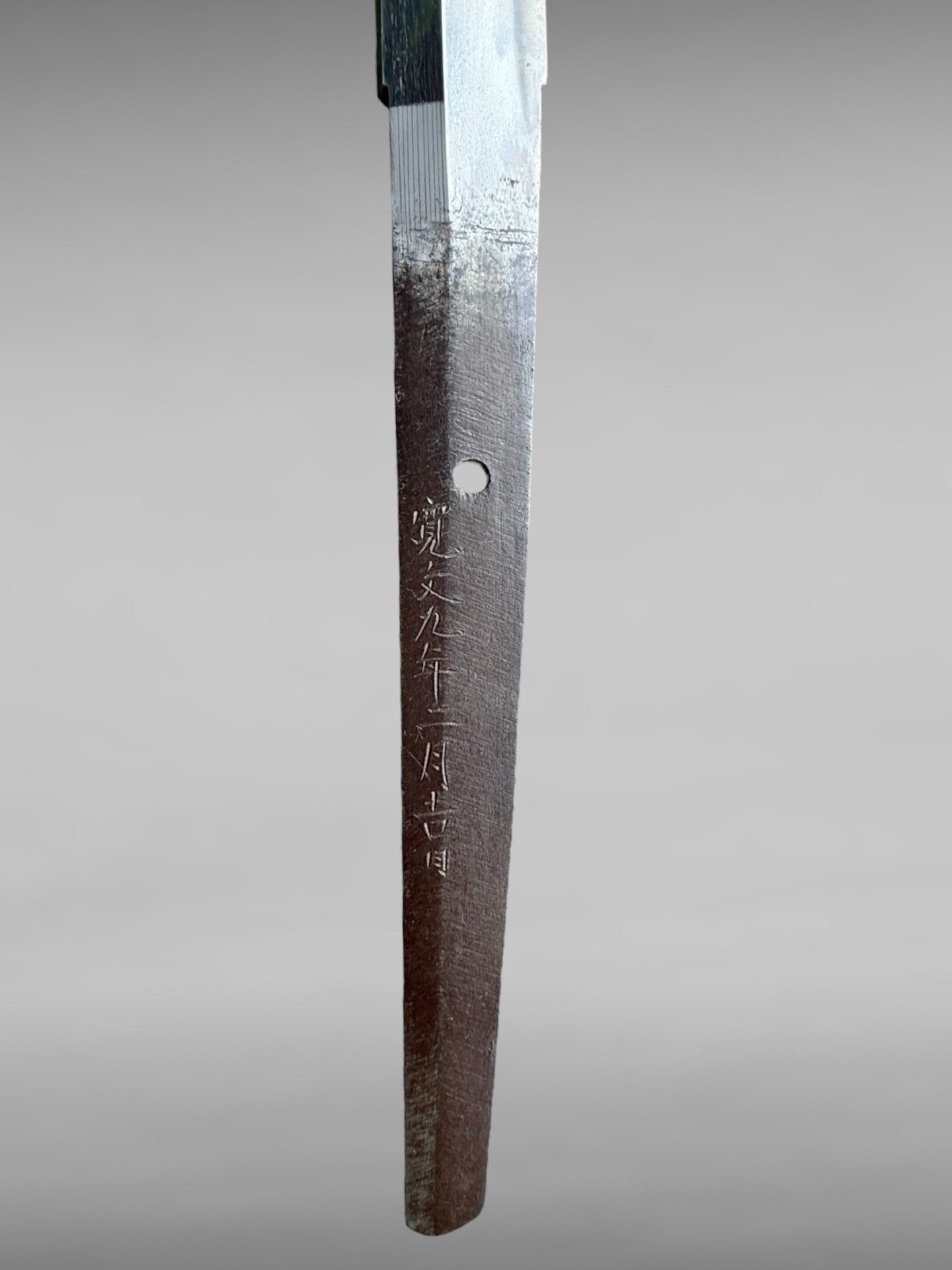
    Straight blade, hamon regular, straight and well marked, tang with one hole, signed by Karachi-no-Kami Kanesada in the 9th year of the Kanbun era (1699).
    Sold with stand, silk carrying case and NBTHK Hozon certificate.
    NBTHK, also known as Nihon Bijutsu Touken Hozon Kyokai (the Society for the Preservation of the Japanese Art Sword), is one of the oldest Japanese sword evaluation organizations in modern Japan.
    Dimensions: 102 x 7.5 x 7 cm.
    Edge length: 69.6 cm.
    Curvature (sori): 1.7 cm.
    Notes : Kawachi-no-Kami Kanesada is a descendant of Tegai Kanenaga, founder of the Tegai school in Yamato province, an area corresponding to present-day Nara prefecture. Kanesada's real name was Monju Matashiro, and "Kawachi no Kami" was an honorable official title given by the imperial court for his excellent craftsmanship.
    The Tegai school, based near Todai-ji temple, one of Japan's most famous Buddhist temples in Yamato, was known for producing durable, functional swords appreciated by the samurai. The name "Tegai" comes from the Tengai gate, which was a landmark near the blacksmith's workshop. At its peak in the late Kamakura period, the school became known for its exceptional craftsmanship, supplying weapons to warriors at a time of intense conflict and political upheaval.
    Kanesada went on to serve Tsuchiya Kazunao, lord of the Tsuchiura estate in Hitachi province, now part of modern Ibaraki prefecture, in the early Edo period. There are also references to his settlement in the city of Edo (now Tokyo).
    Kanesada's work maintained the traditions of the Tegai school, ensuring that its techniques and craftsmanship were preserved well into the Edo period. His dedication to the art of swordmaking enabled Yamato province's swordmaking skills to flourish, even as Japan moved from the Warring States period (Sengoku era; 1467-1615) to an era of relative peace.

    Ref: GW1USCZCOQ

    Condition Very good
    Style Asian Arts (Swords, Bladed weapons of Asian Arts Style)
    Period 17th century (Swords, Bladed weapons 17th century)
    Country of origin Japan
    Shipping Time Ready to ship in 2-3 Business Days
    Location 93400, saint ouen , France
    Shipping Information Careful and insured shipping, fast shipping
    Antikeo Buyer Guarantee

    4 commitments to buy with confidence