

Would you like more images?

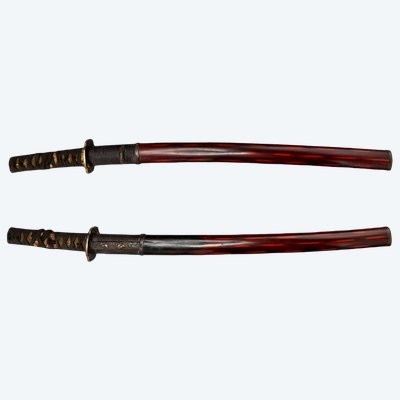
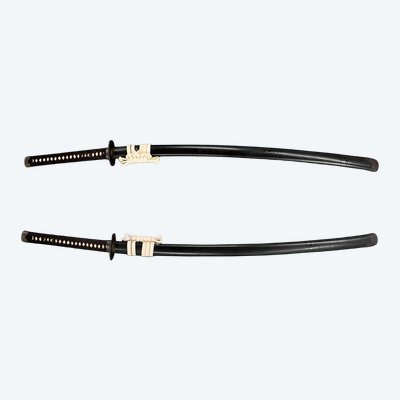
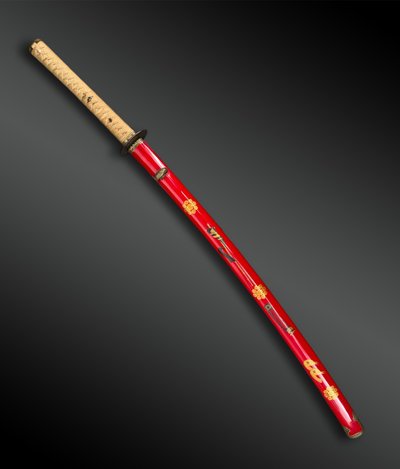
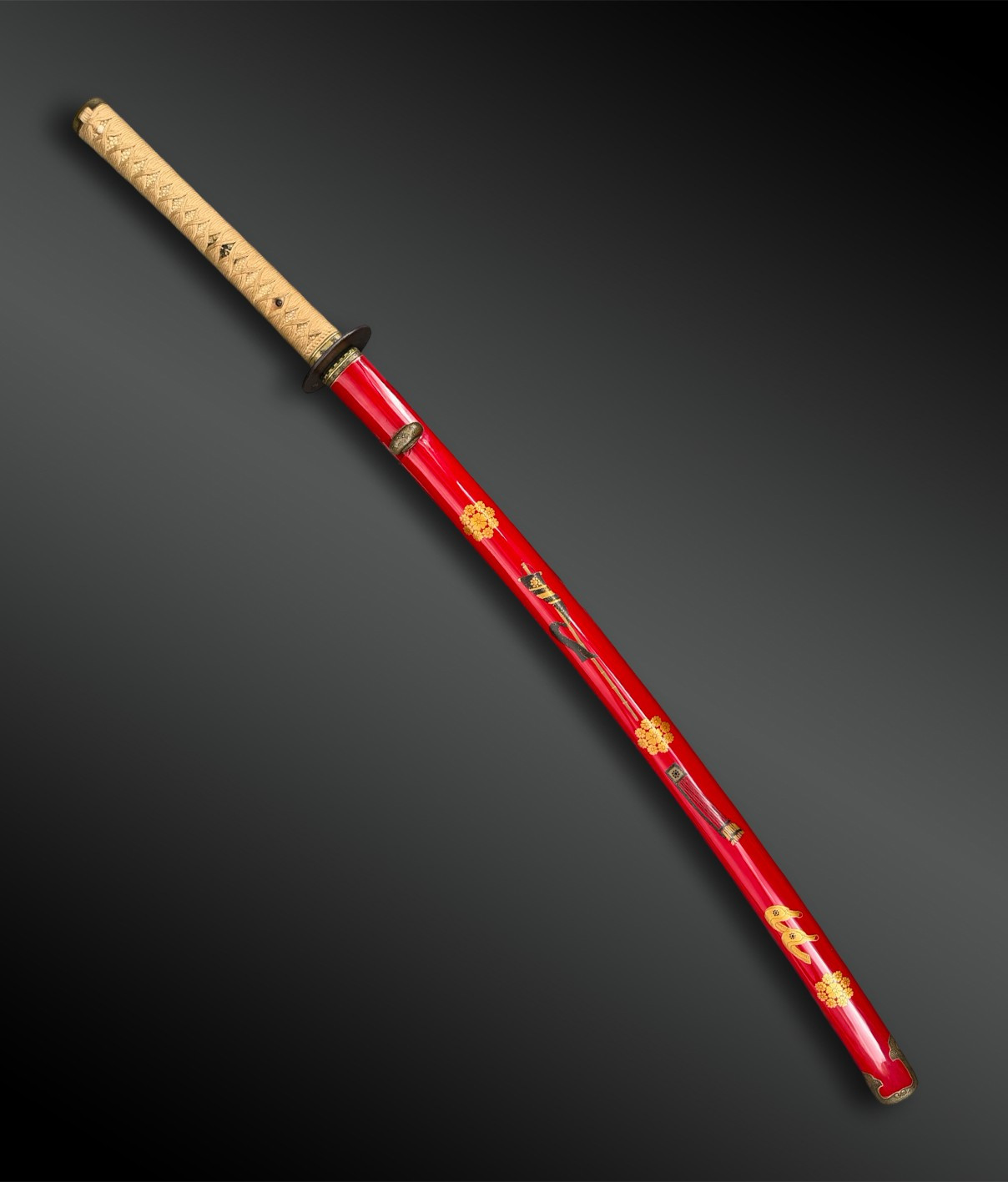
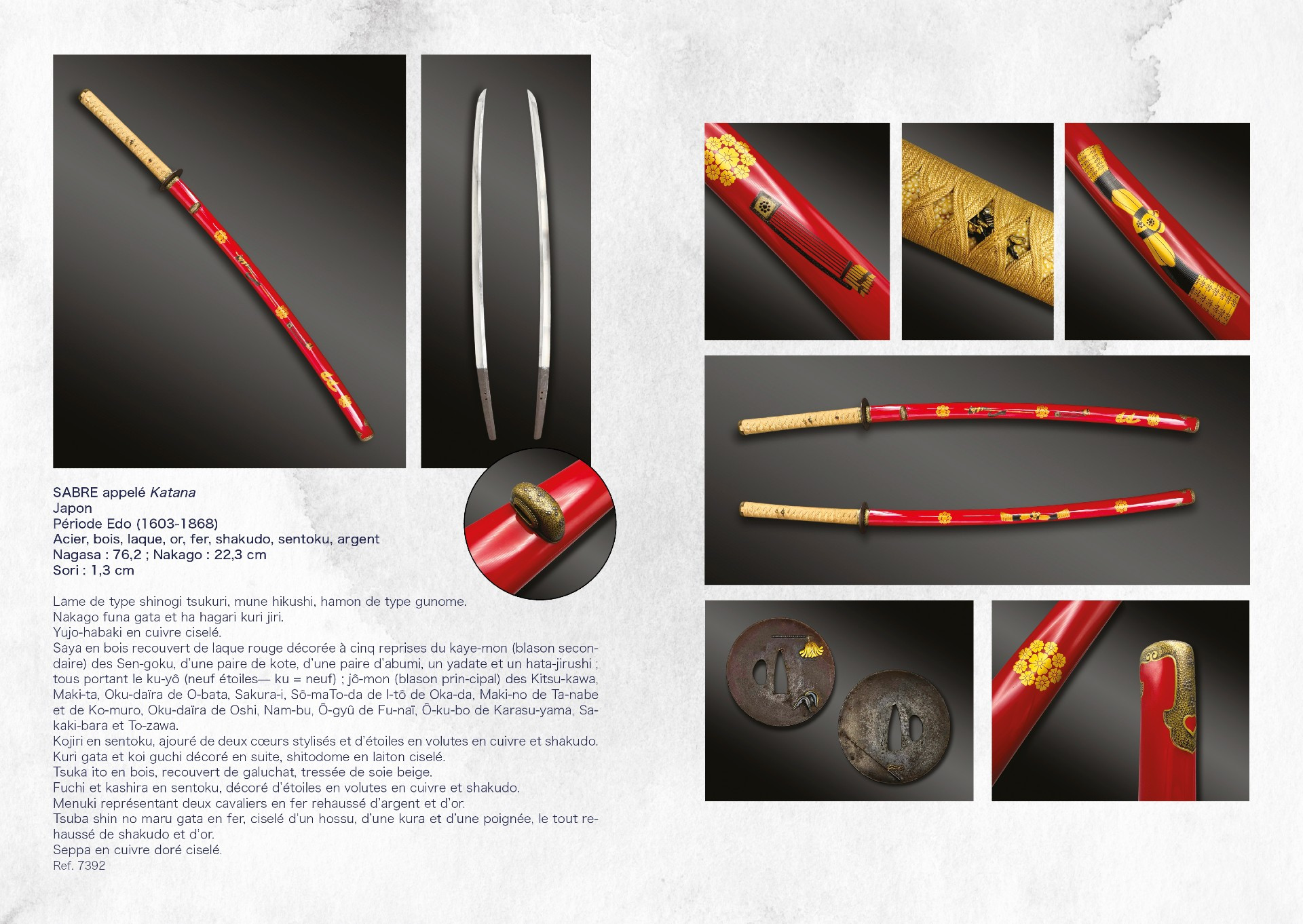
SWORD known as Katana
Japan
Edo Period (1603–1868)
Steel, wood, lacquer, gold, iron, shakudo, sentoku, silver
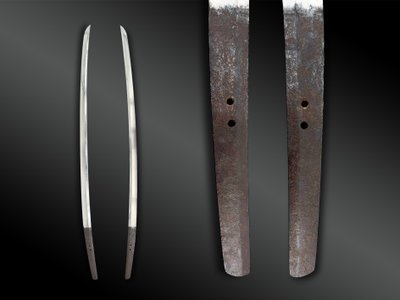
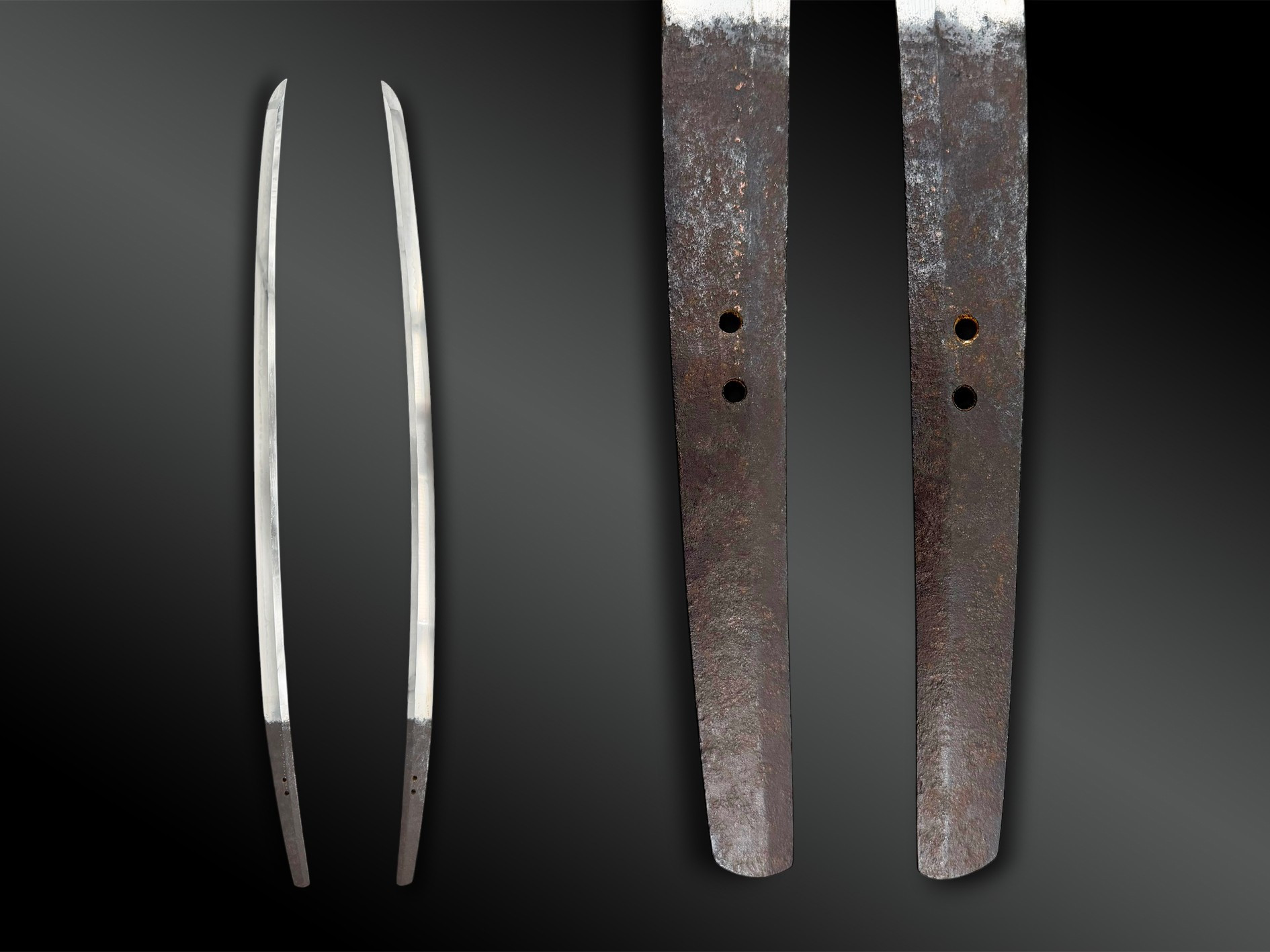
Nagasa: 76.2; Nakago: 22.3 cm
Sori: 1.3 cm
Shinogi-tsukuri blade, mune hikushi, gunome-style hamon.
Funa-gata nakago and ha hagari kuri jiri.
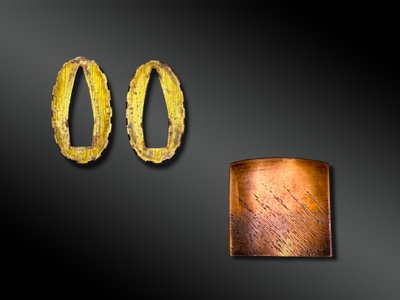
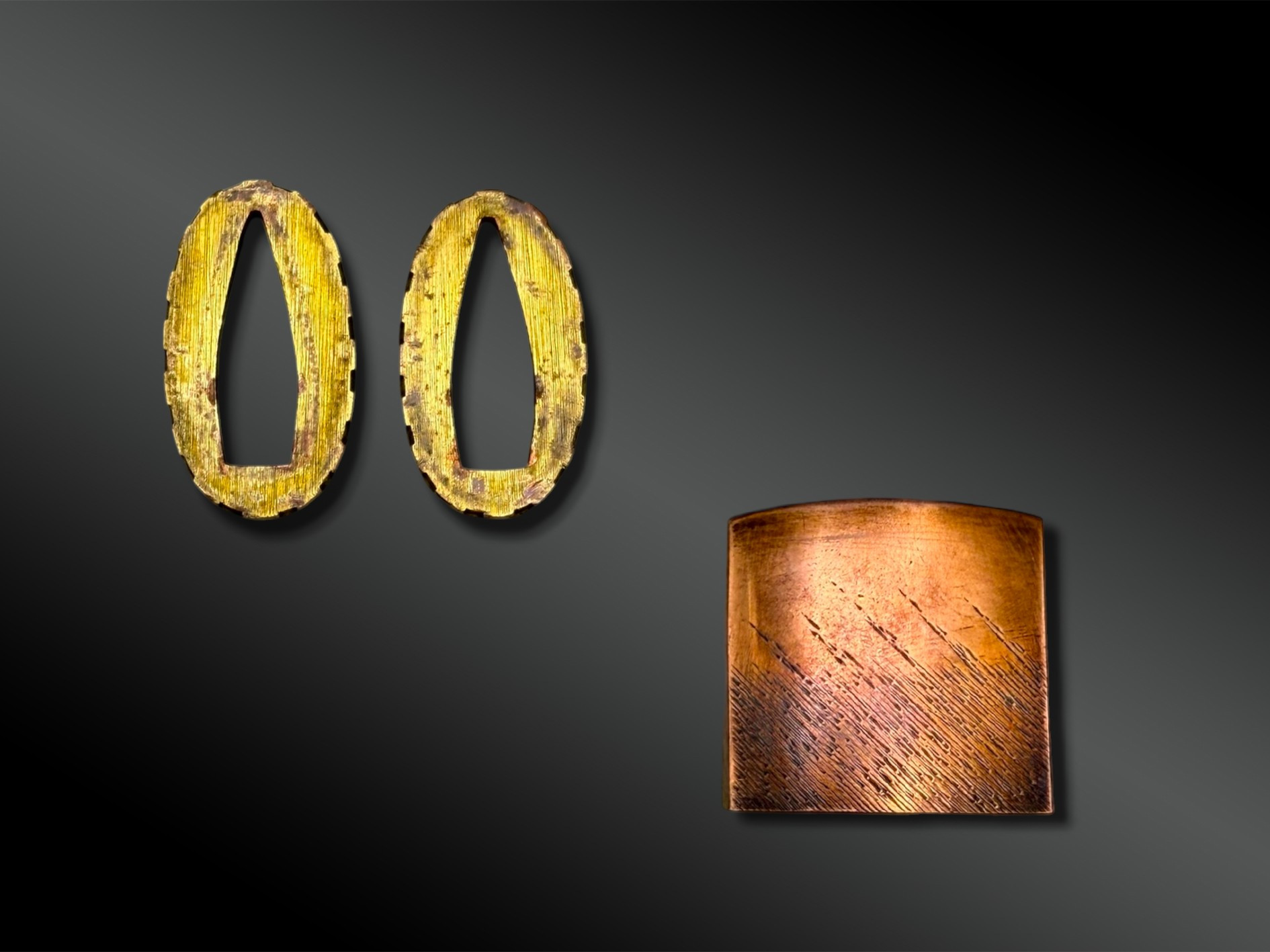
Chiseled copper yujo-habaki.
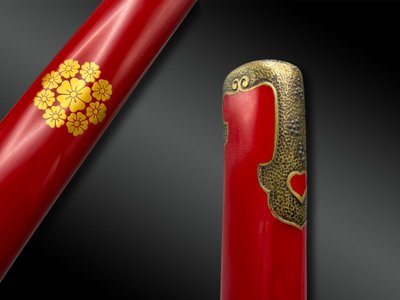
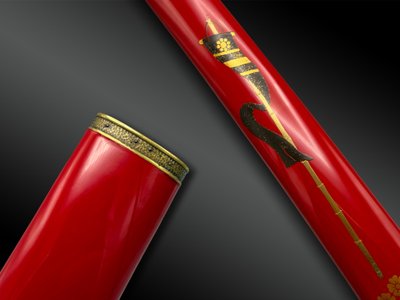
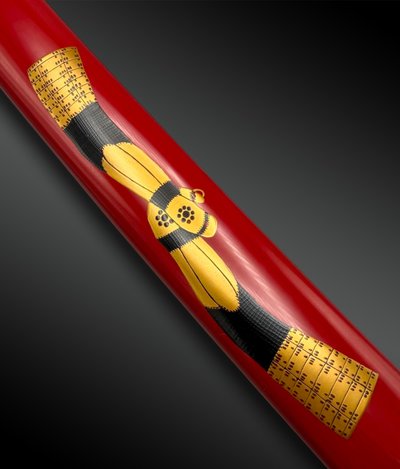
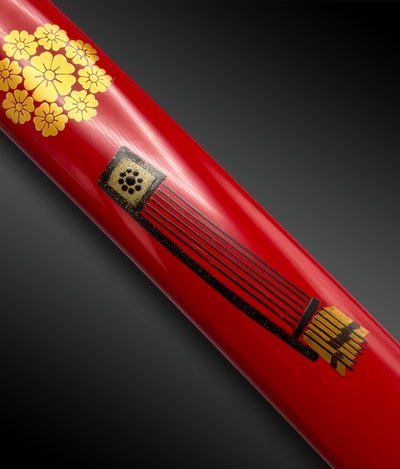
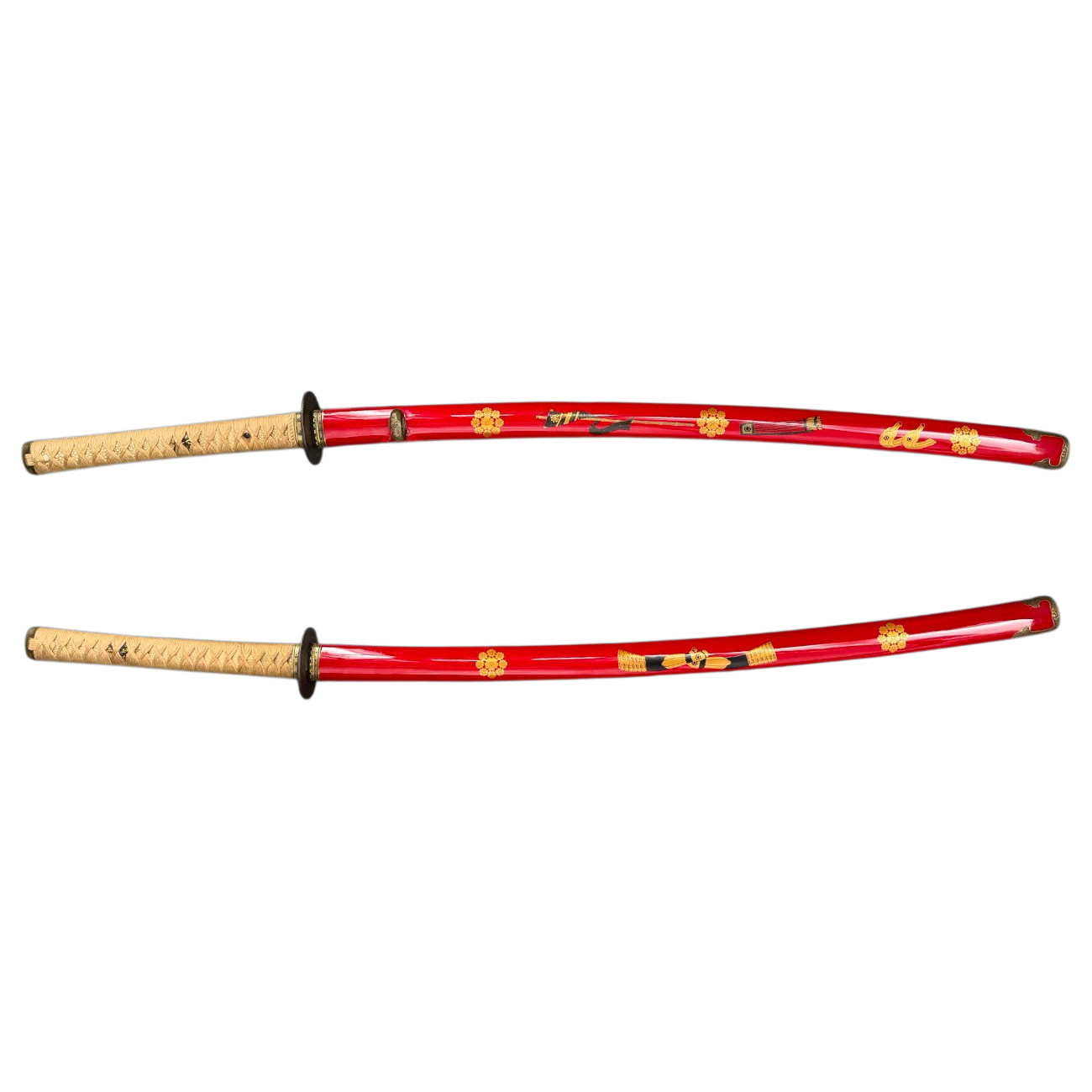
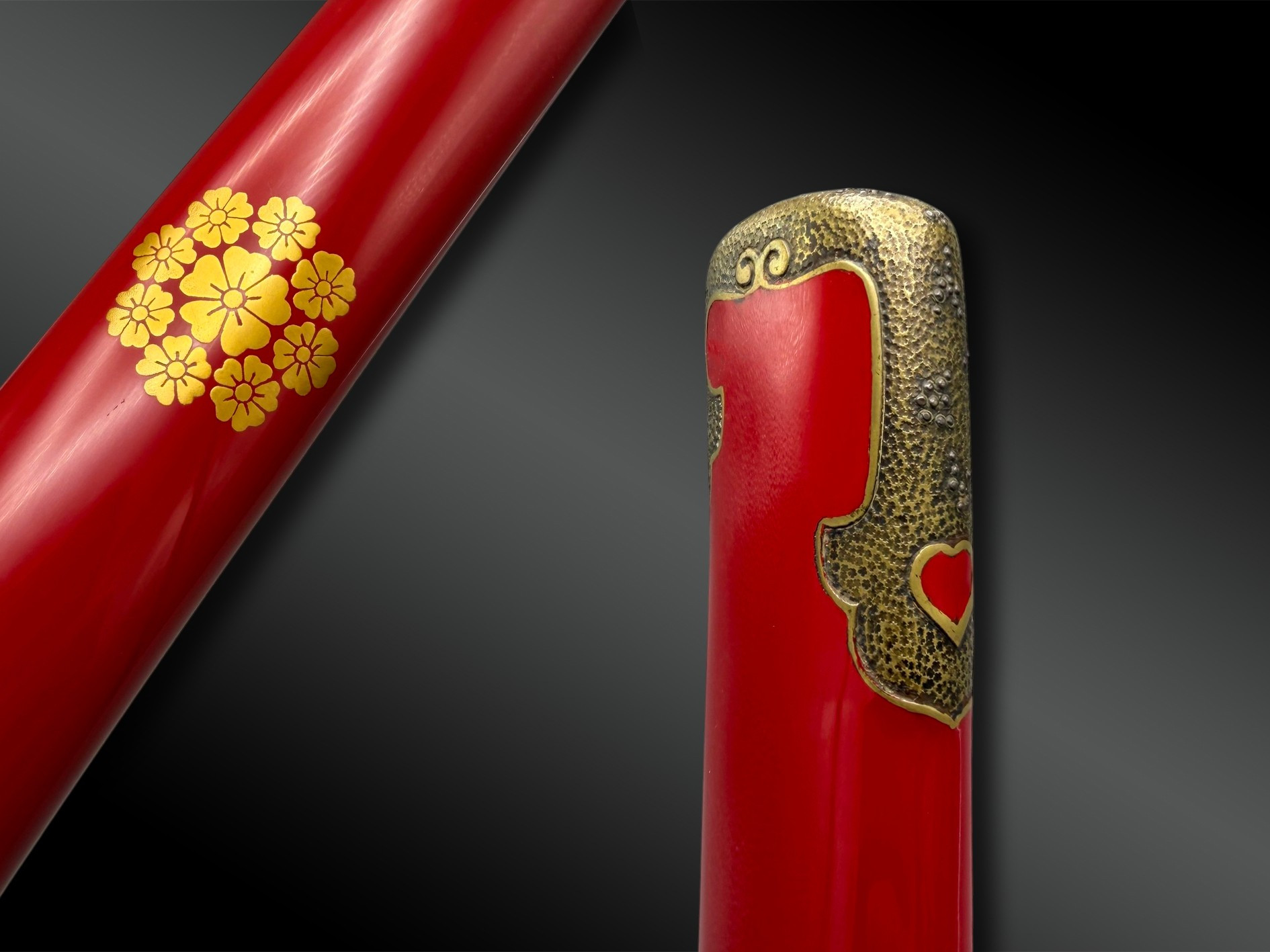
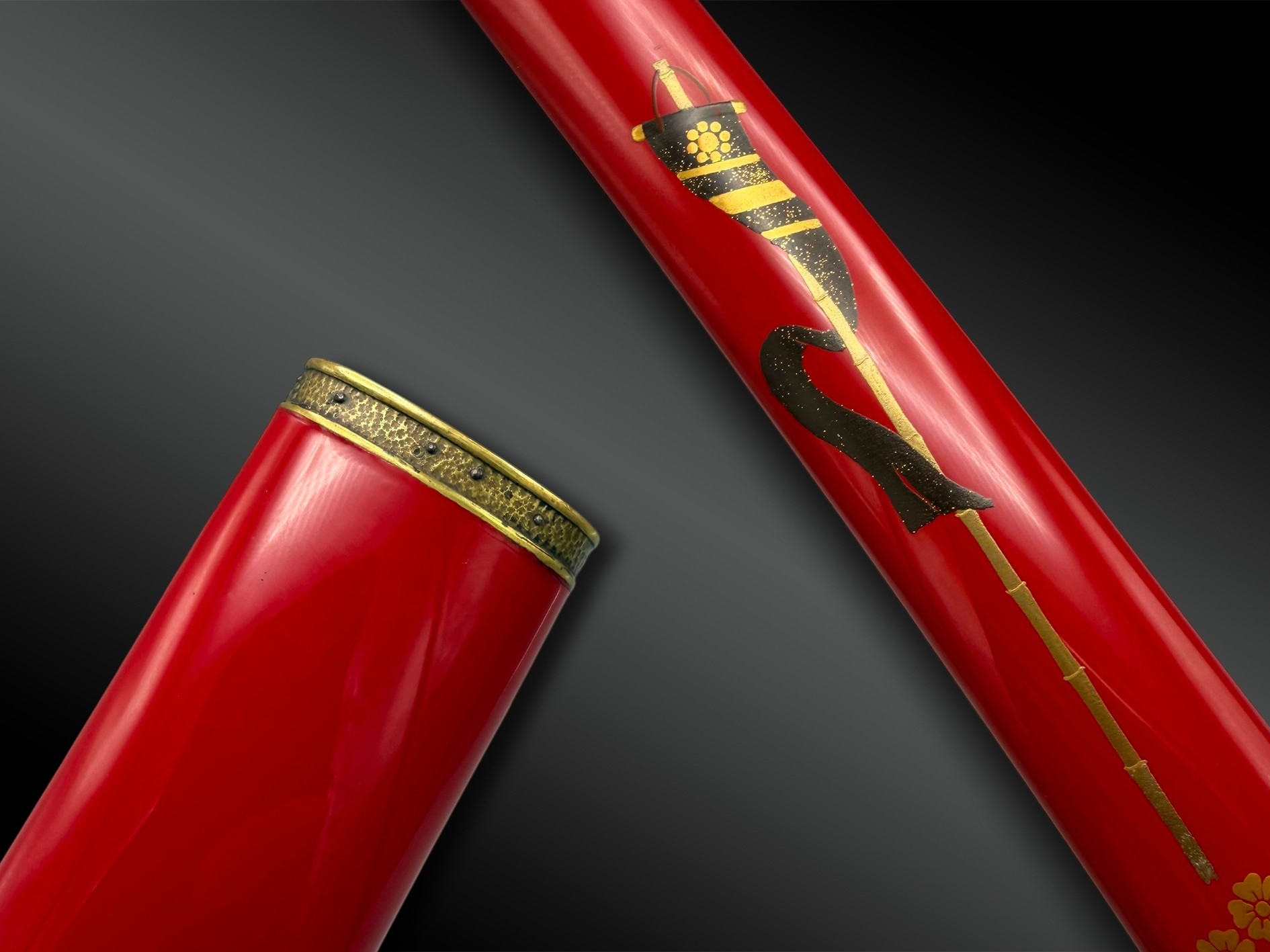
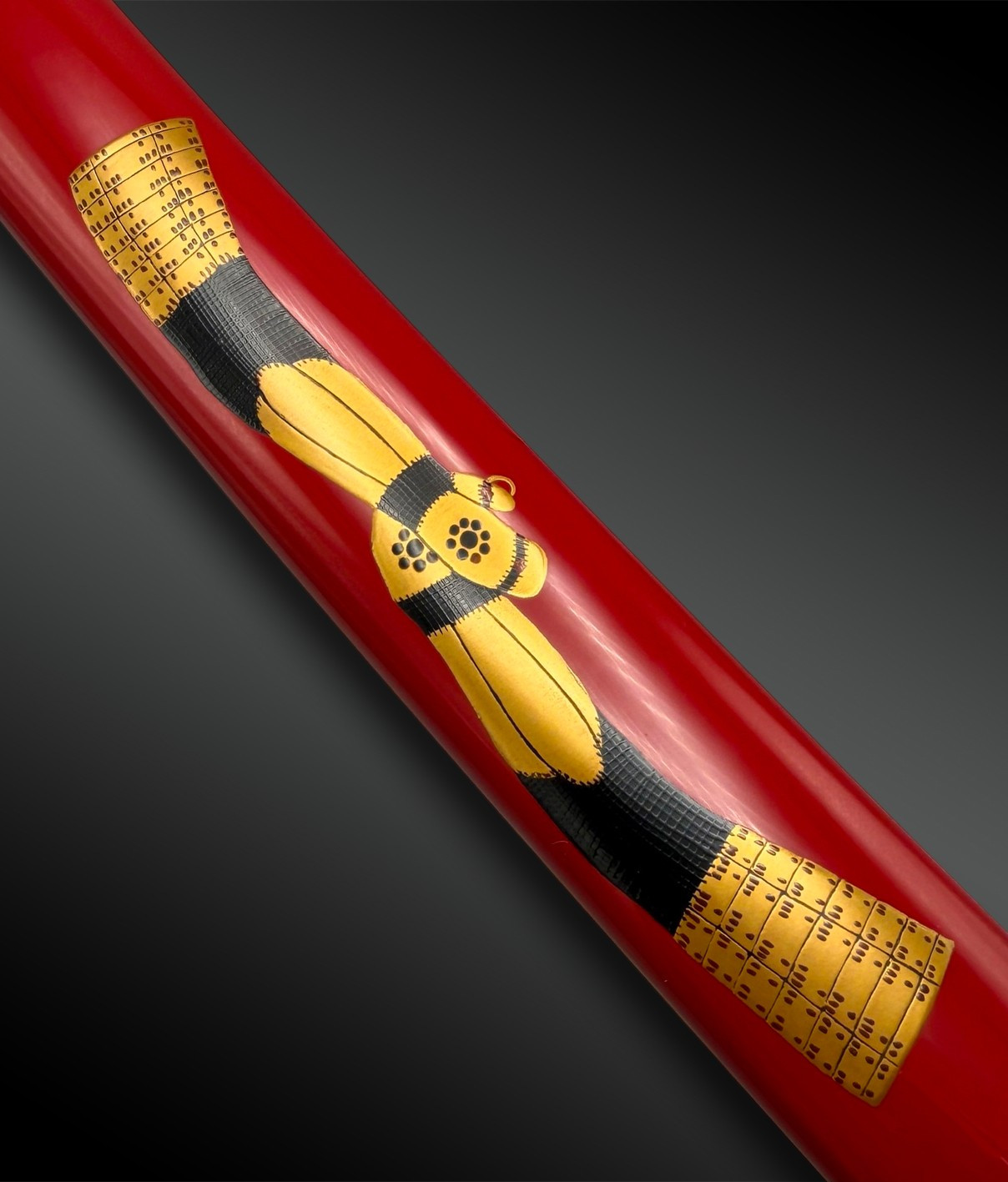
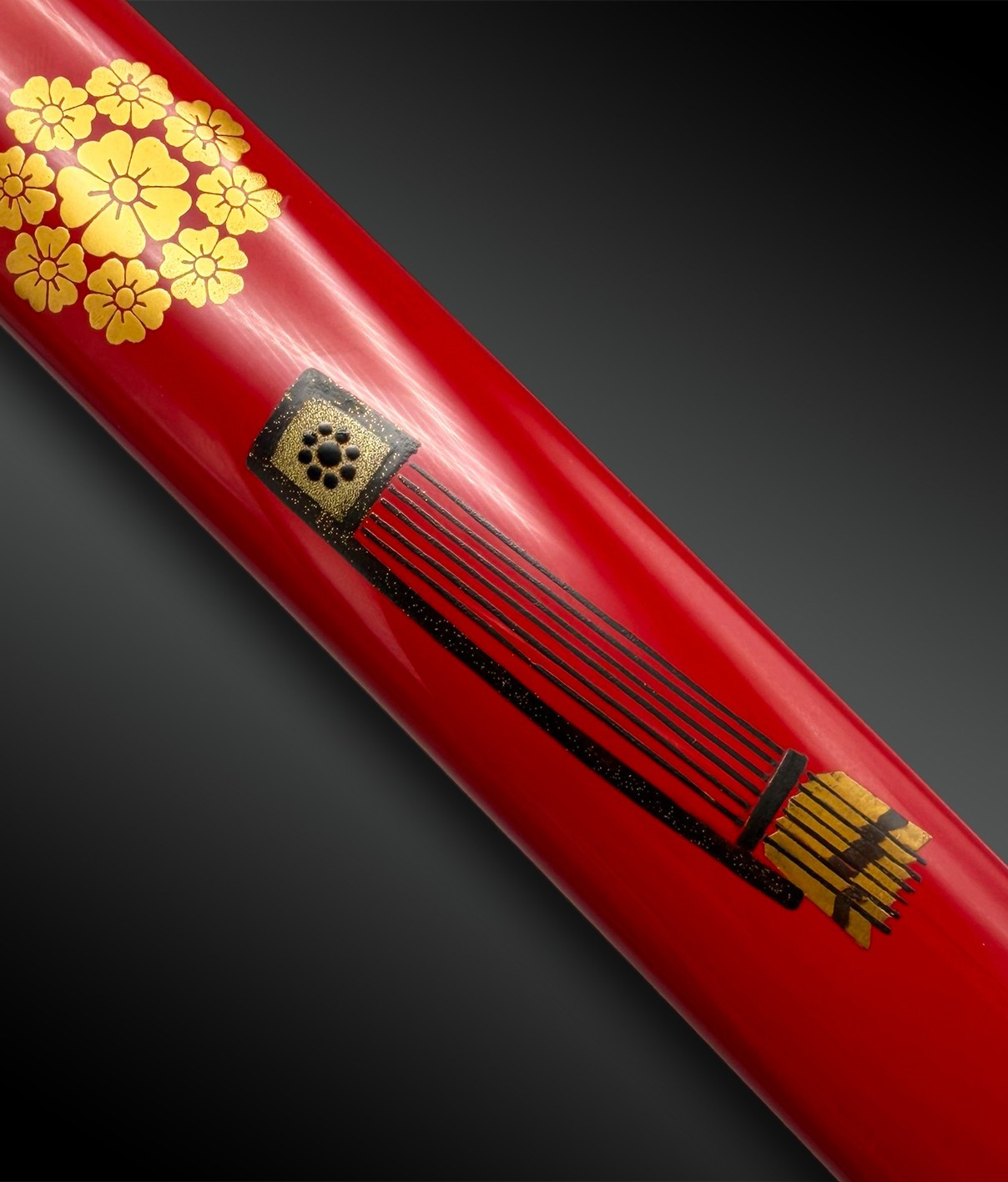
Wooden saya covered in red lacquer, decorated five times with the Sengoku clan’s kaye-mon (secondary crest), a pair of kote, a pair of abumi, a yadate, and a hata-jirushi; all bearing the ku-yô (nine stars—ku = nine); jô-mon (primary crest) of the Kitsu-kawa, Maki-ta, Oku-daïra of O-bata, Sakura-i, Sô-maTo-da of I-tô of Oka-da, Maki-no of Ta-nabe and Ko-muro, Oku-daïra of Oshi, Nam-bu, Ō-gyū of Fu-nai, Ō-ku-bo of Karasu-yama, Sa-kaki-bara, and To-zawa.
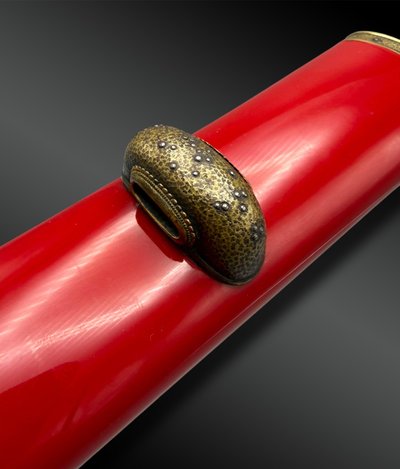
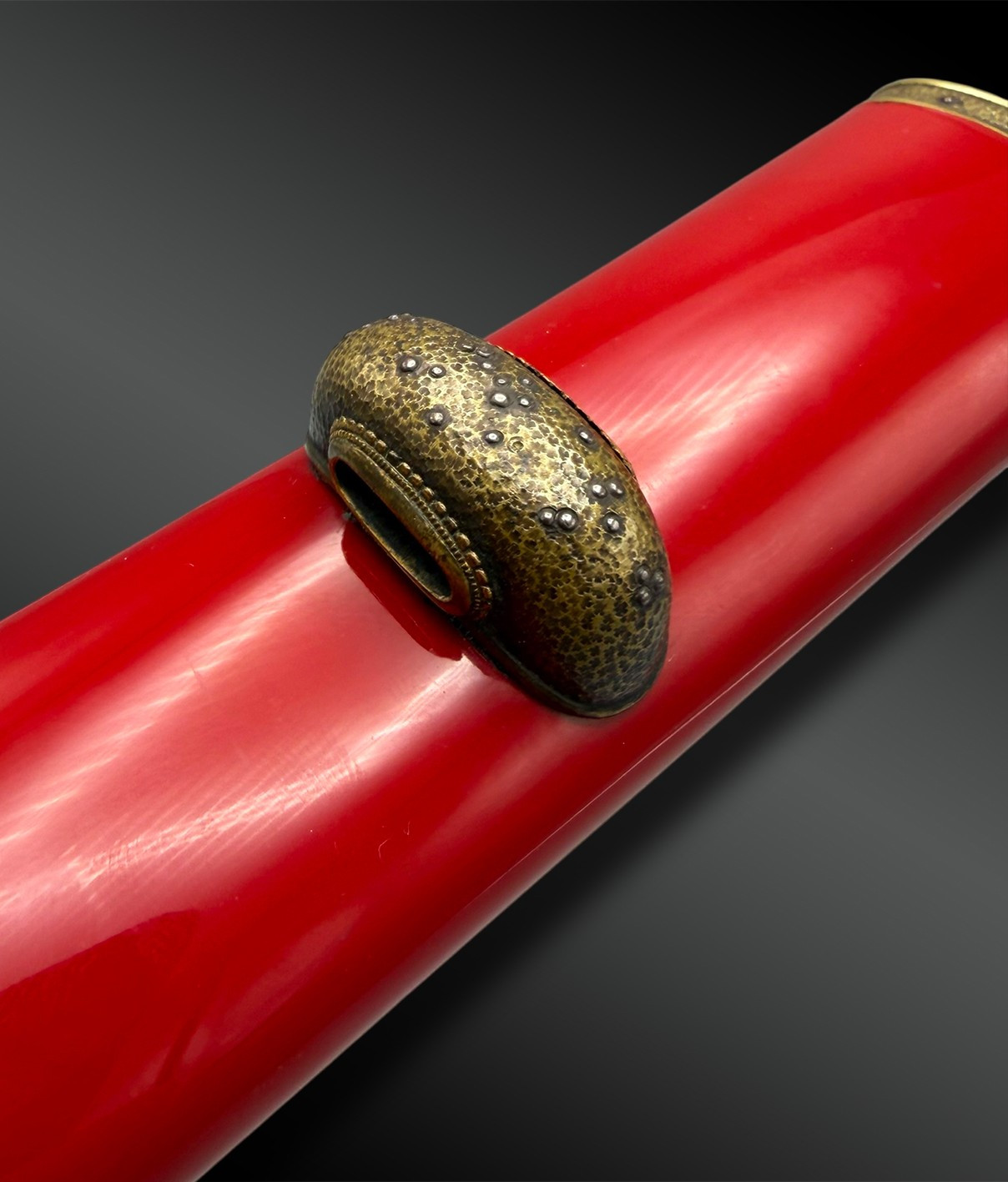
Kojiri made of sentoku, openwork with two stylized hearts and scrollwork stars in copper and shakudo. Kuri-gata and koi-guchi decorated in a matching style, shitodome in chiseled brass.
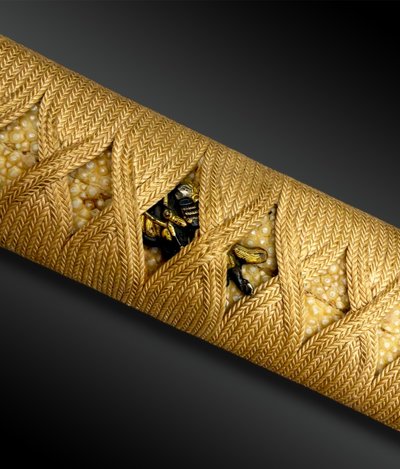
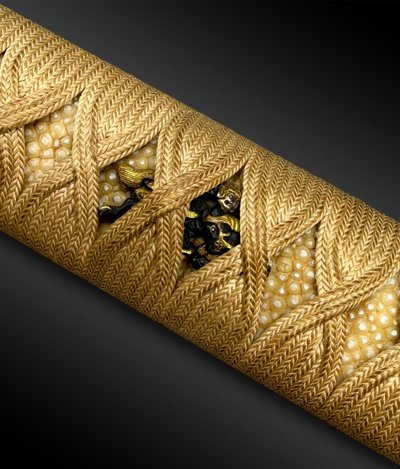
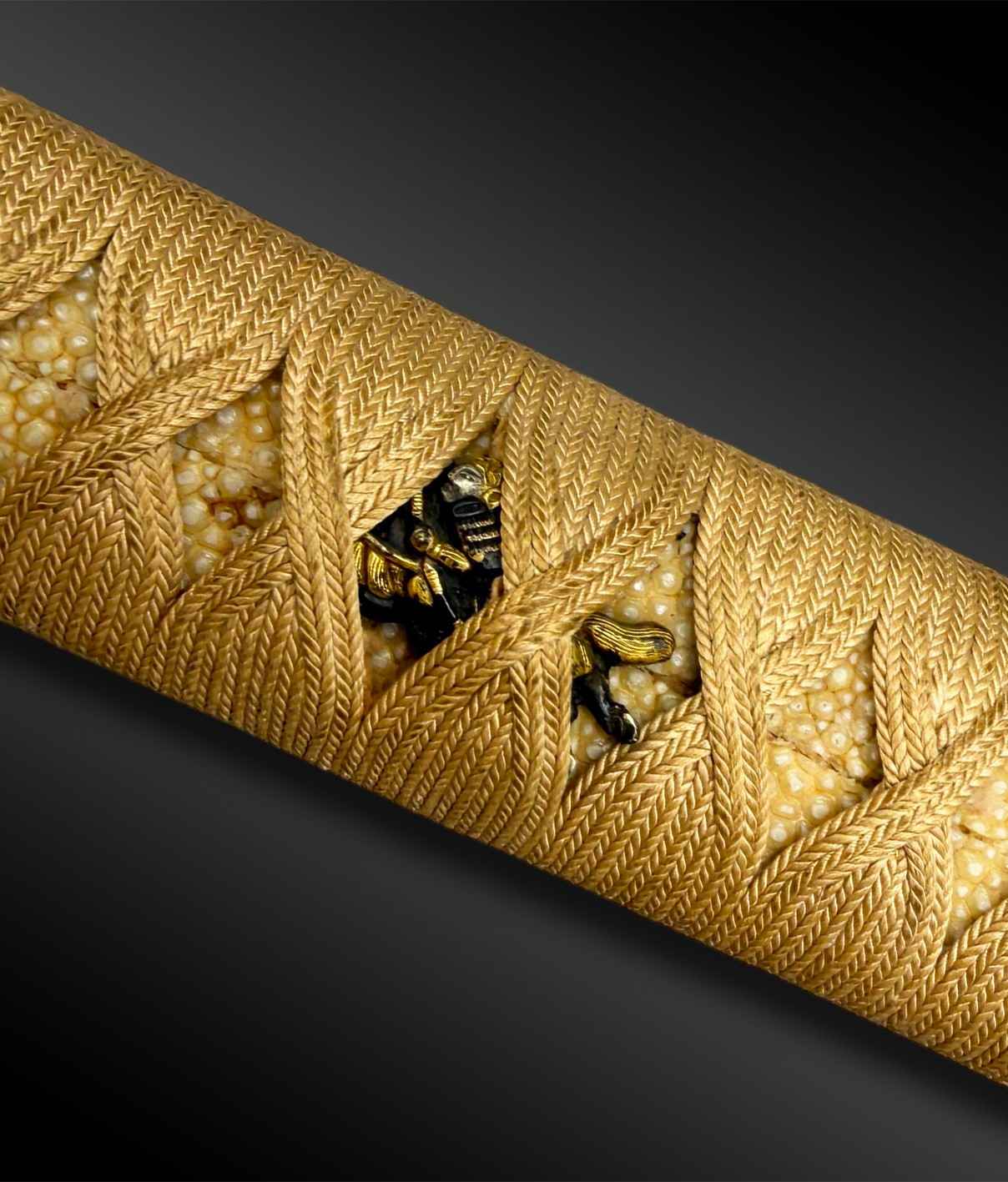
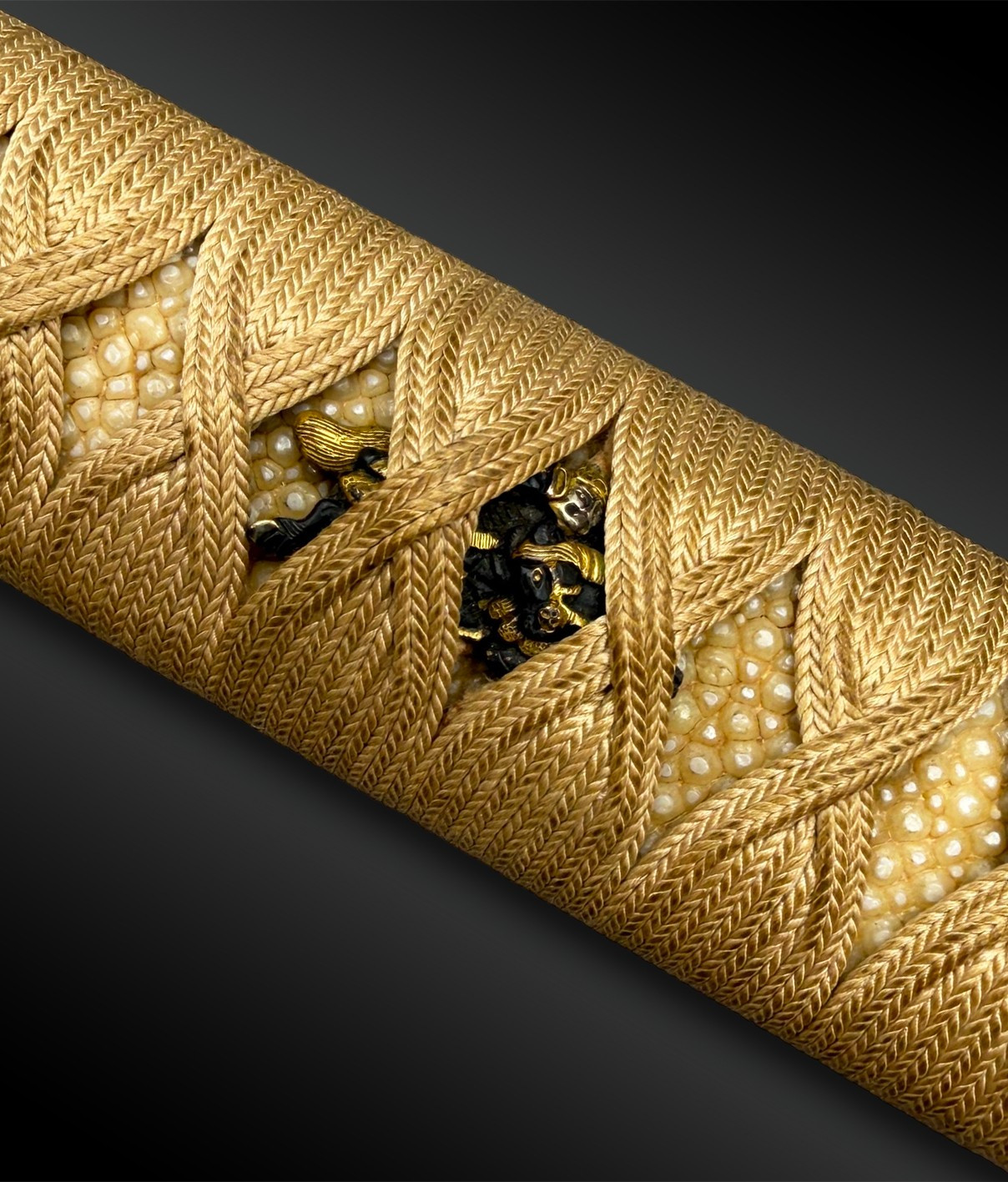
Wooden tsuka ito, covered in shagreen, braided with beige silk.
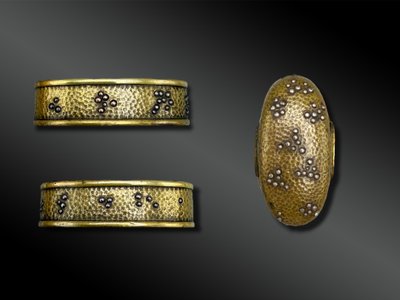
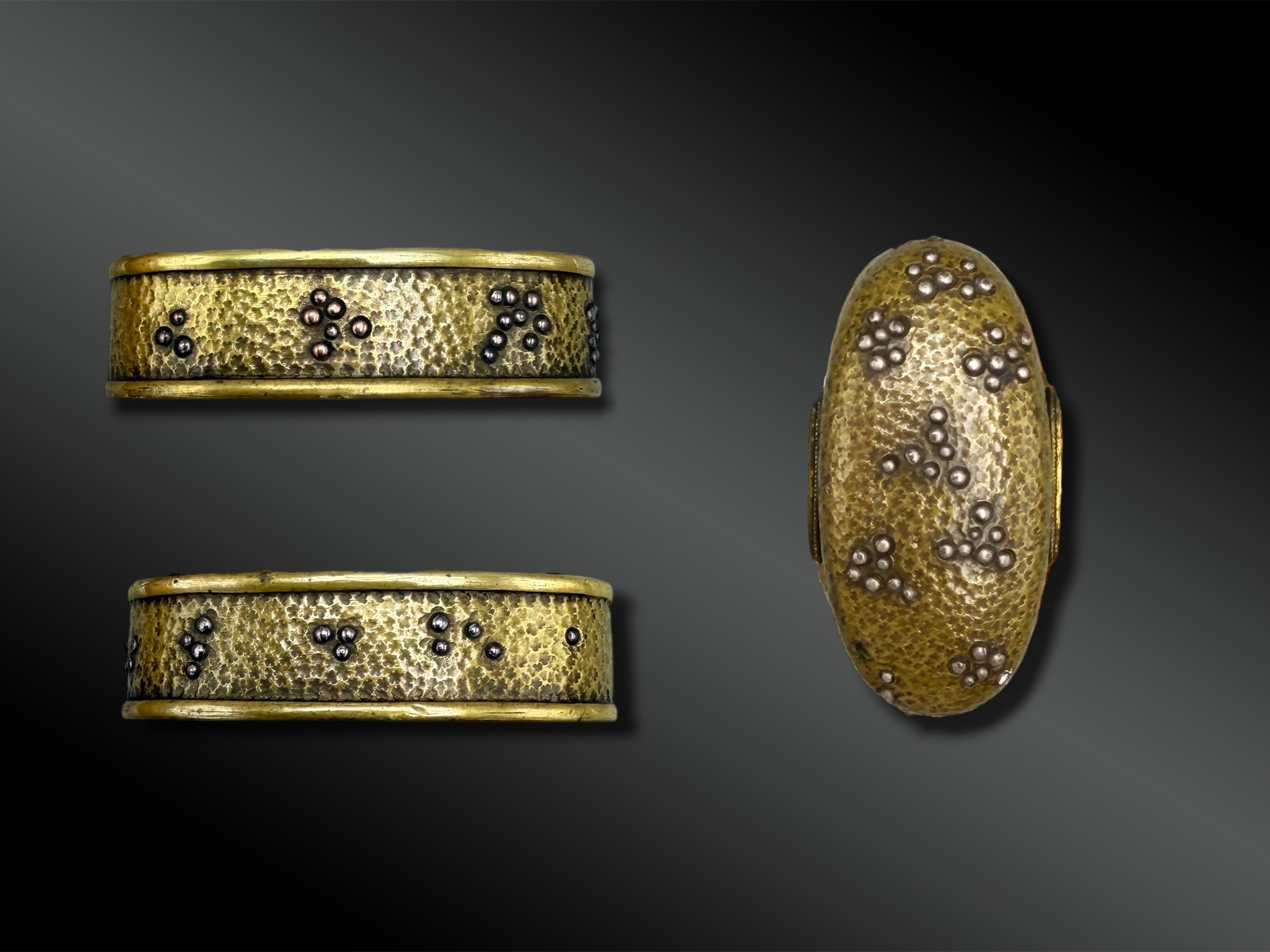
Fuchi and kashira in sentoku, decorated with scroll-shaped stars in copper and shakudo.
Menuki depicting two horsemen, made of iron and accented with silver and gold.
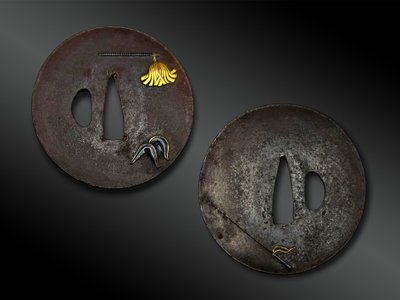
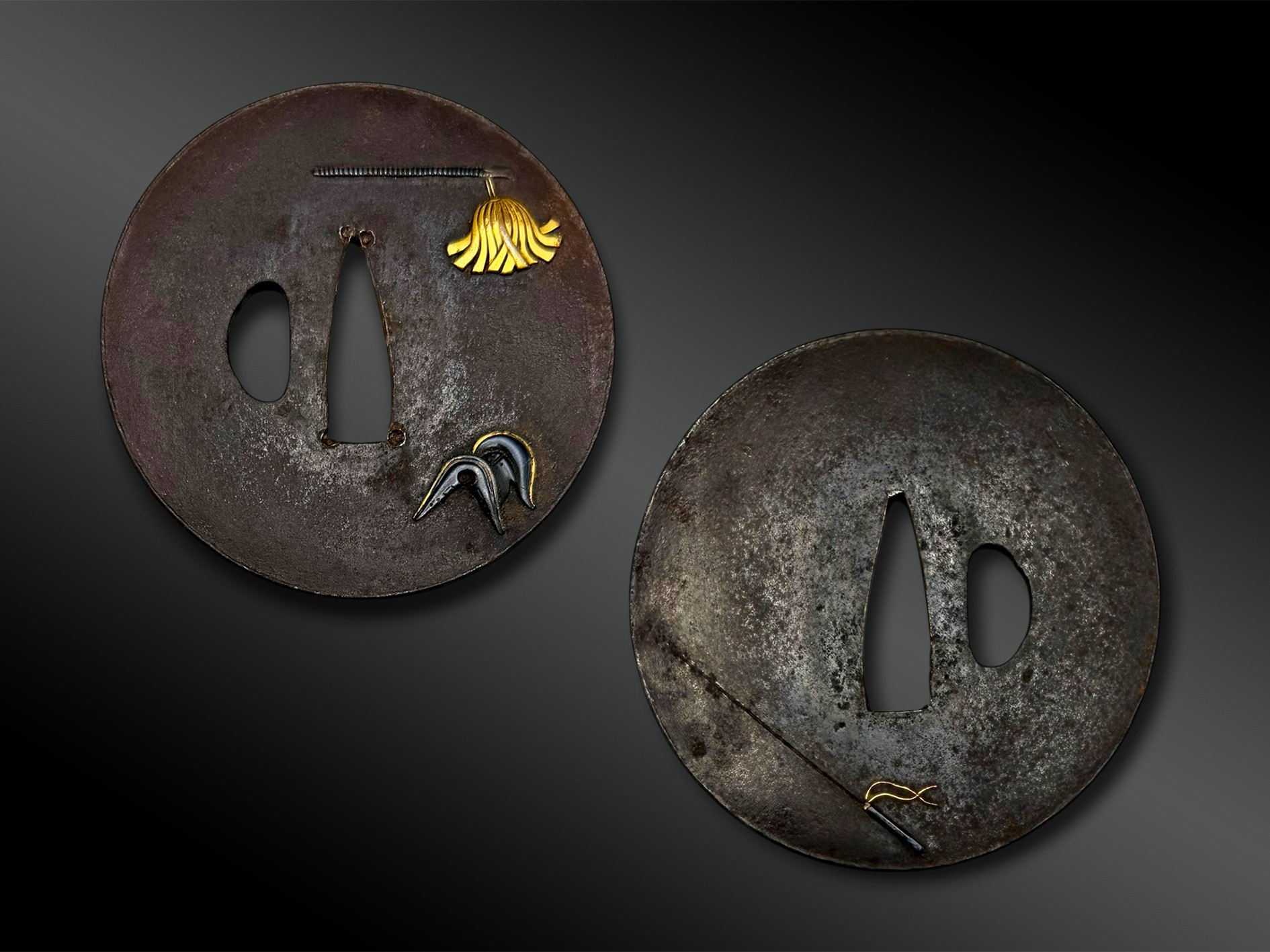
Iron tsuba in shin no maru style, chiseled with a hossu, a kura, and a hilt, all accented with shakudo and gold.
Seppa made of gilded copper, chiseled.
Ref. 7392
Text and photos © FCP CORIDON
Ref: PJT39RW07E
| Condition | Very good |
| Style | Asian Arts (Swords, Bladed weapons of Asian Arts Style) |
| Period | 18th century (Swords, Bladed weapons 18th century) |
| Country of origin | Japan |
| Shipping Time | Ready to ship in 2-3 Business Days |
| Location | 93400, Saint-Ouen, France |
4 commitments to buy with confidence

 English
 Français
 Italiano
 Deutsch