

Would you like more images?


Jacob Henricus MARIS (The Hague, 1837 – Karlsbad, 1899)
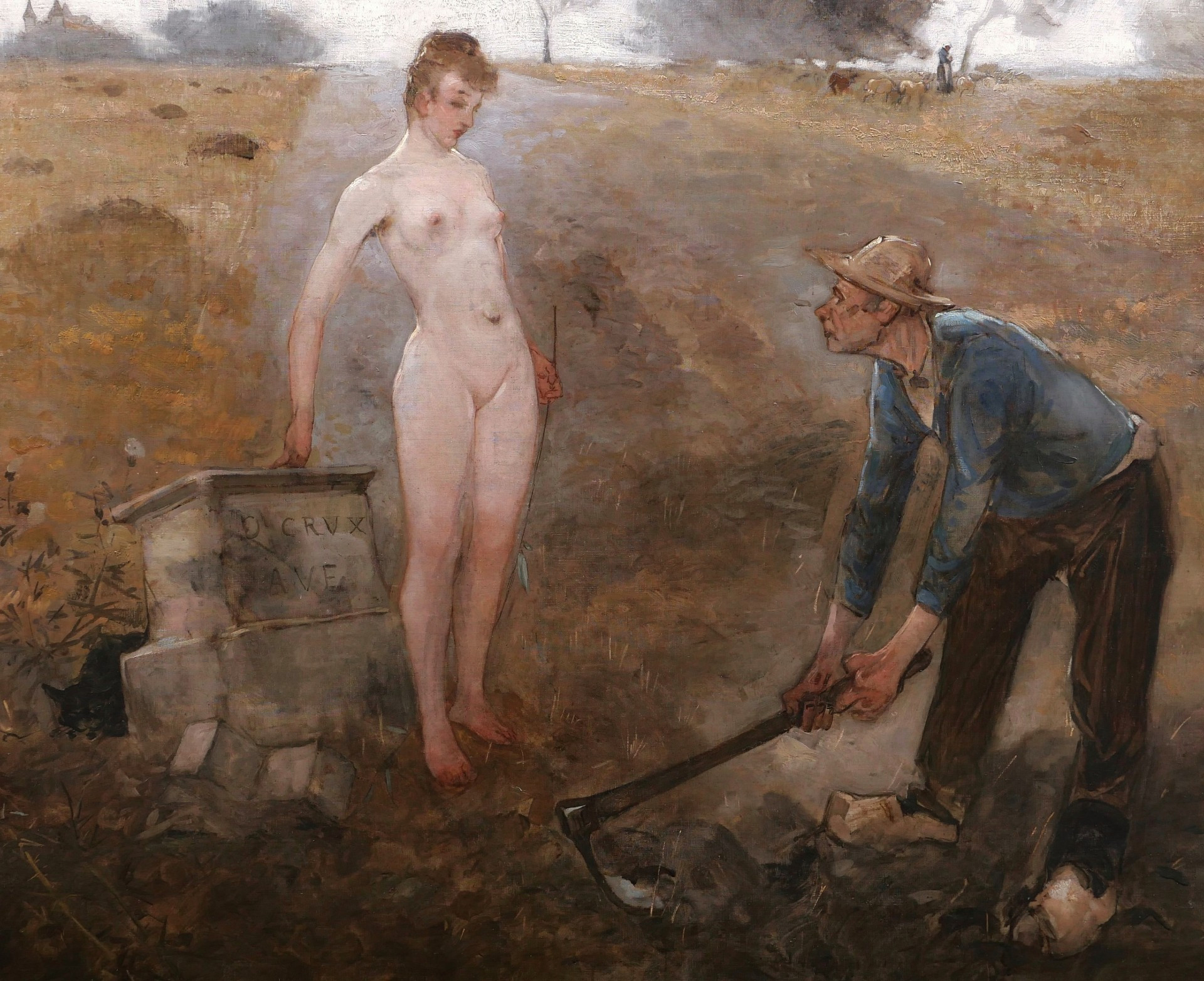
The Muse in Naintré (Le Chat Noir)
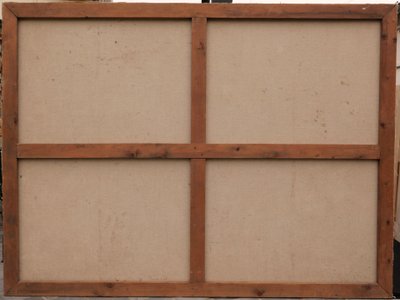
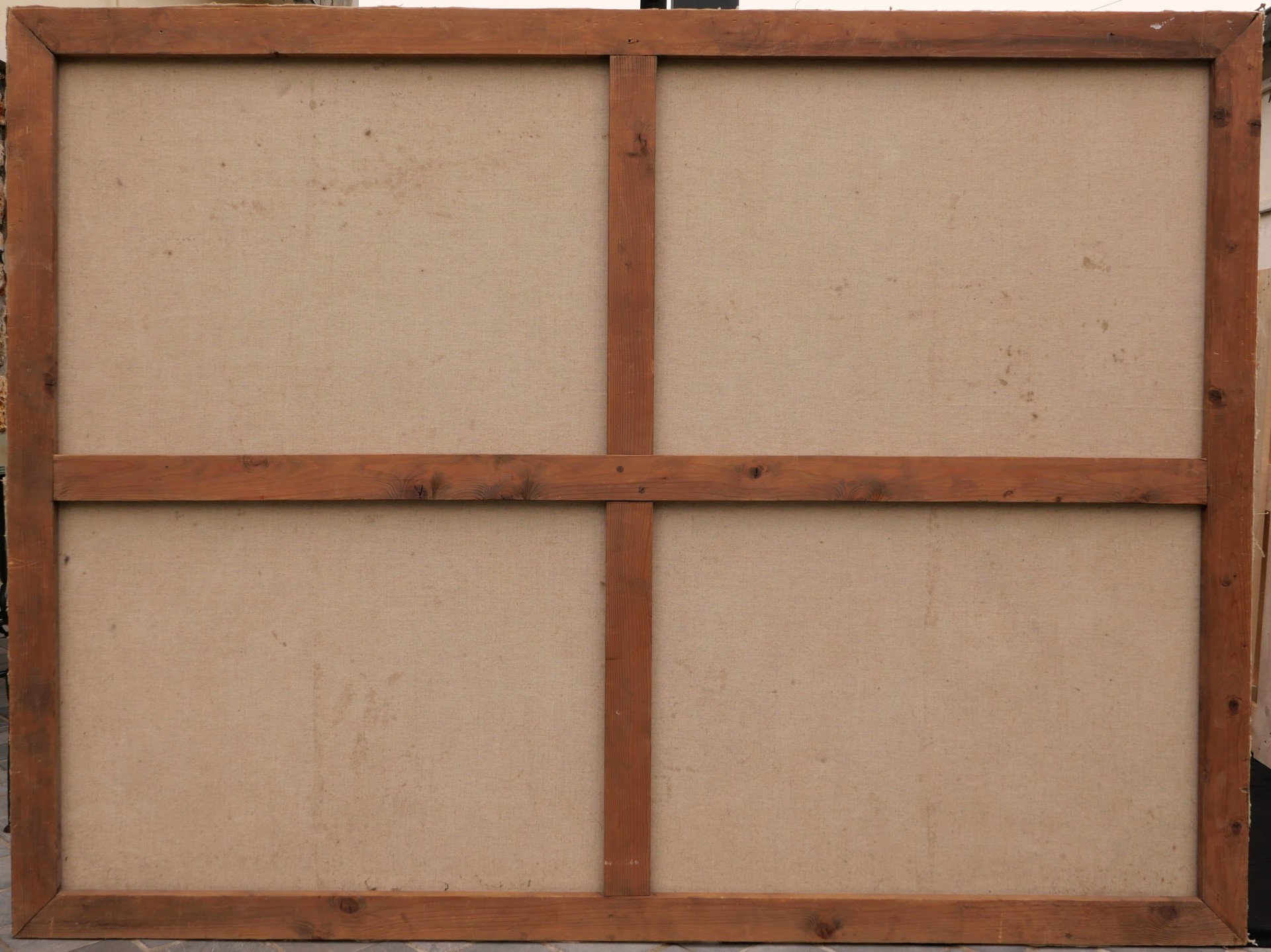
Oil on canvas (re-stretched)
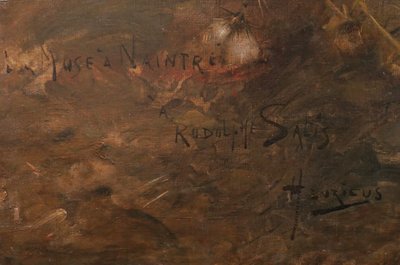
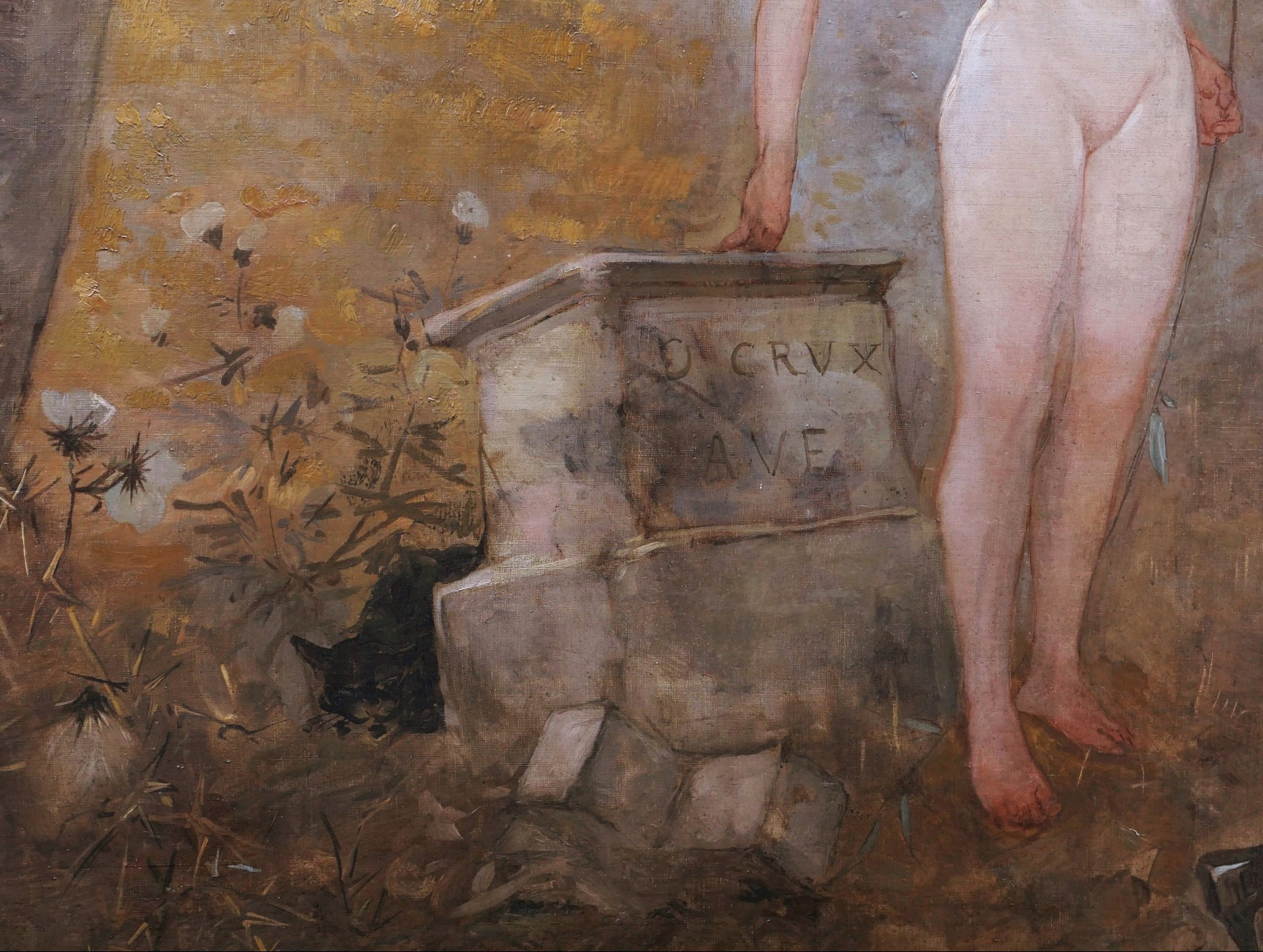
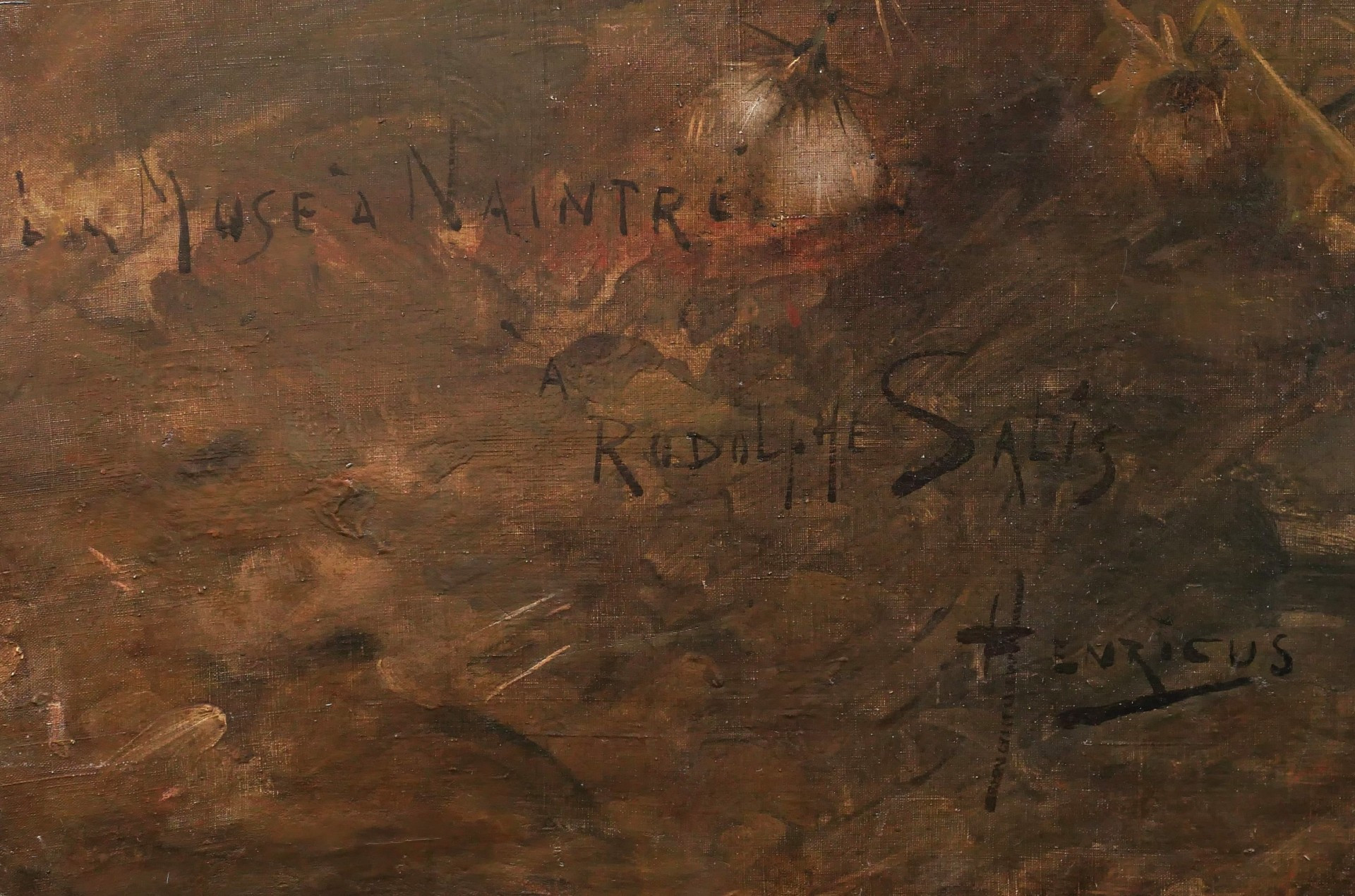
Titled, inscribed, and signed lower left: LA MUSE À NAINTRÉ / À RODOLPHE SALIS / HENRICUS
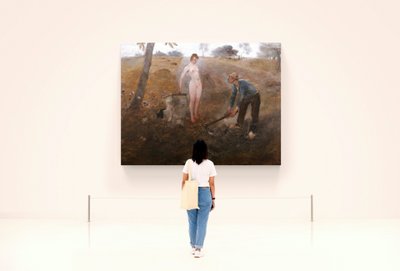
150 x 200 cm
Provenance:
Rodolphe Salis, Naintré (gift from the artist)
Jean Salis, Naintré (by descent)
Private collection, Naintré
Private collection, Aix-en-Provence
Note: The painting was commissioned by Rodolphe Salis, the famous founder of the cabaret Le Chat Noir, to decorate his château at La Tour de Naintré in the Vienne department.
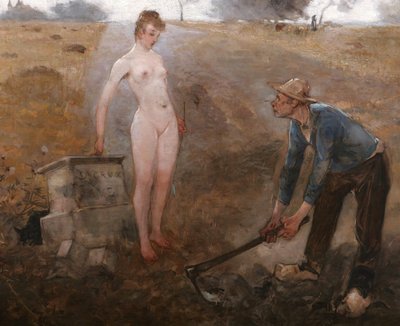
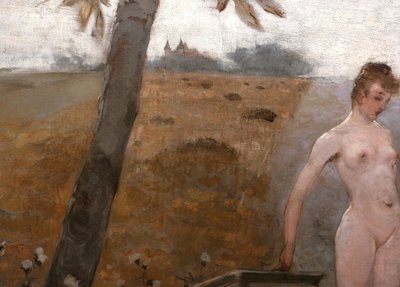
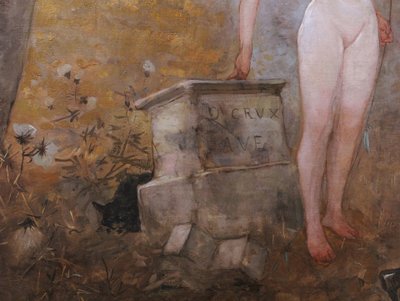
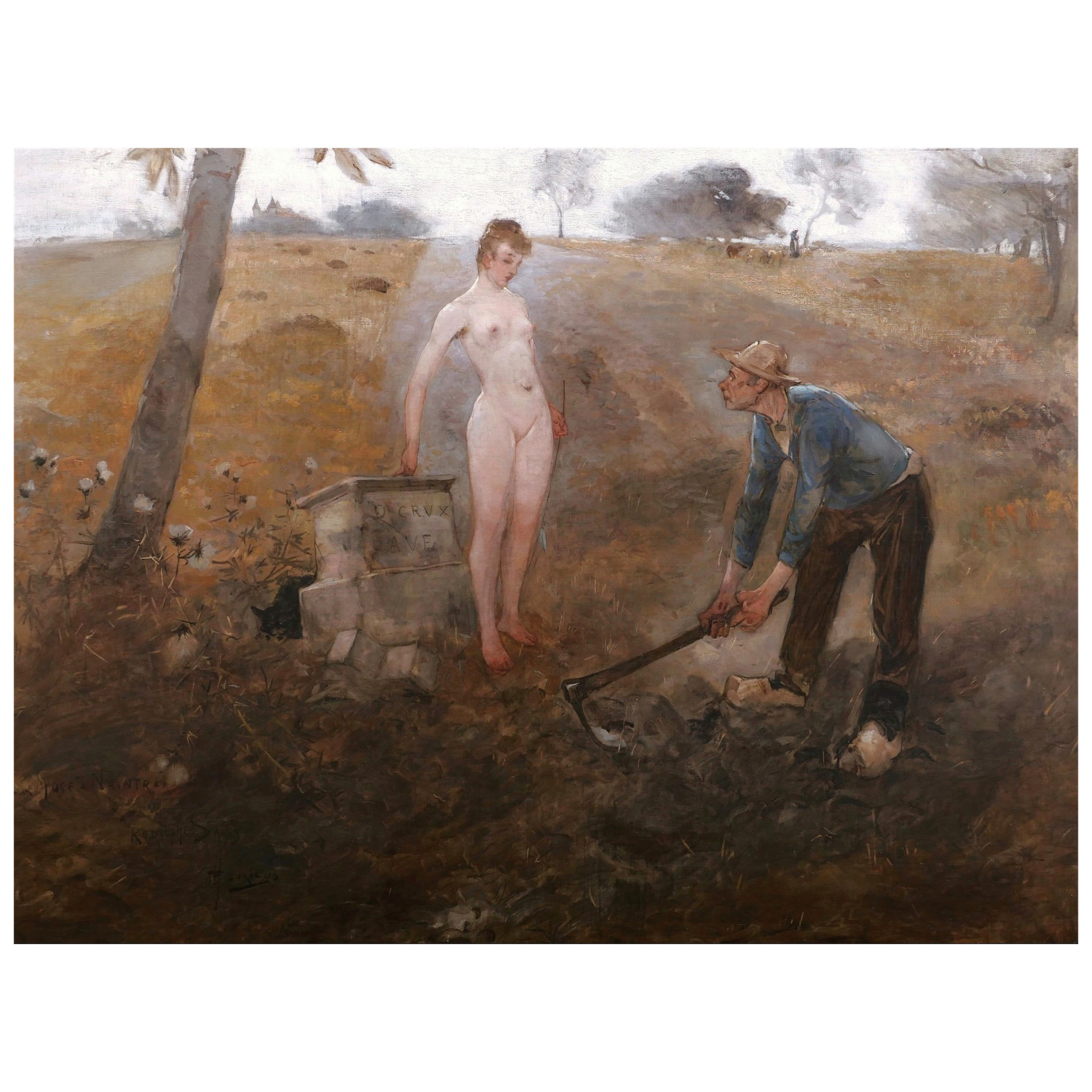
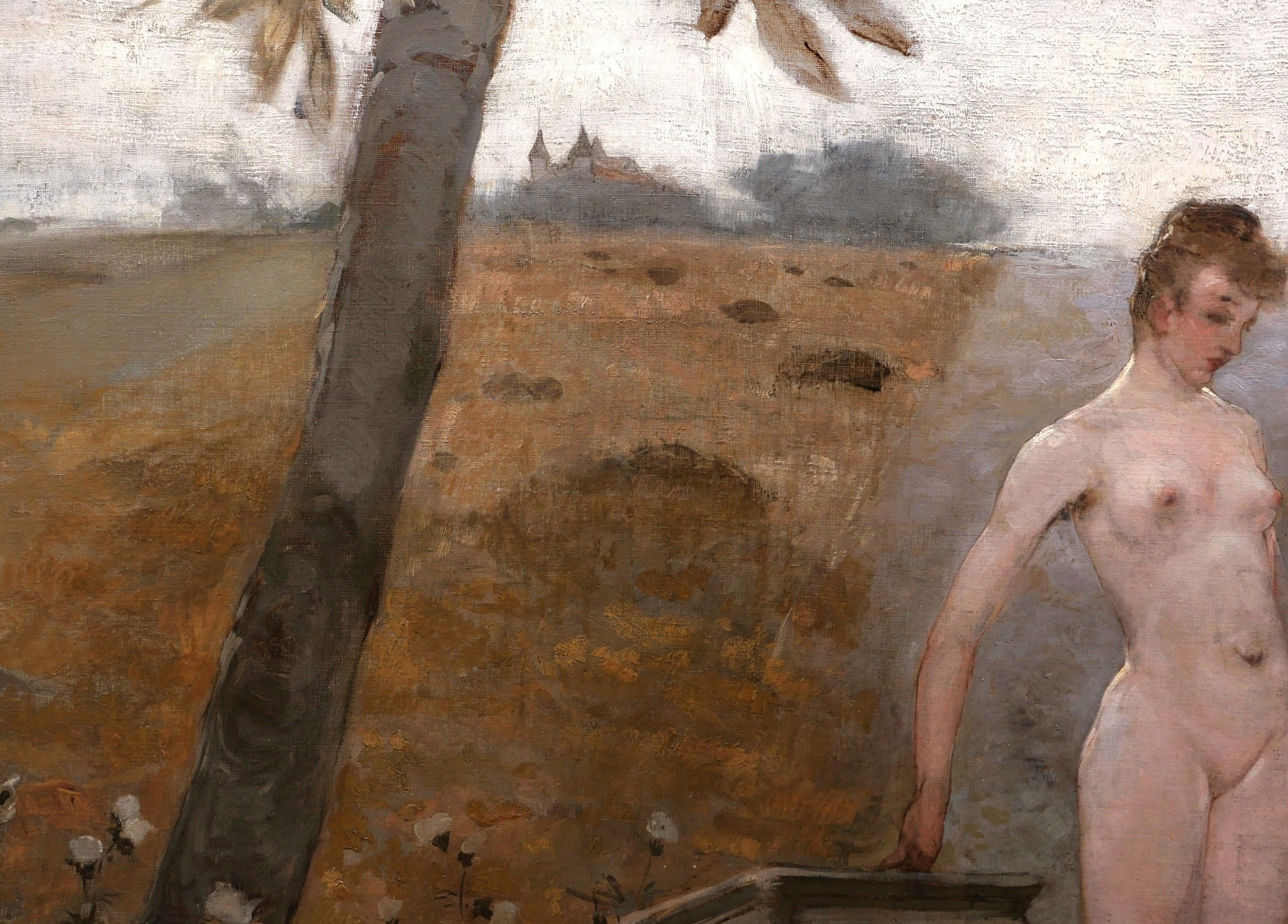
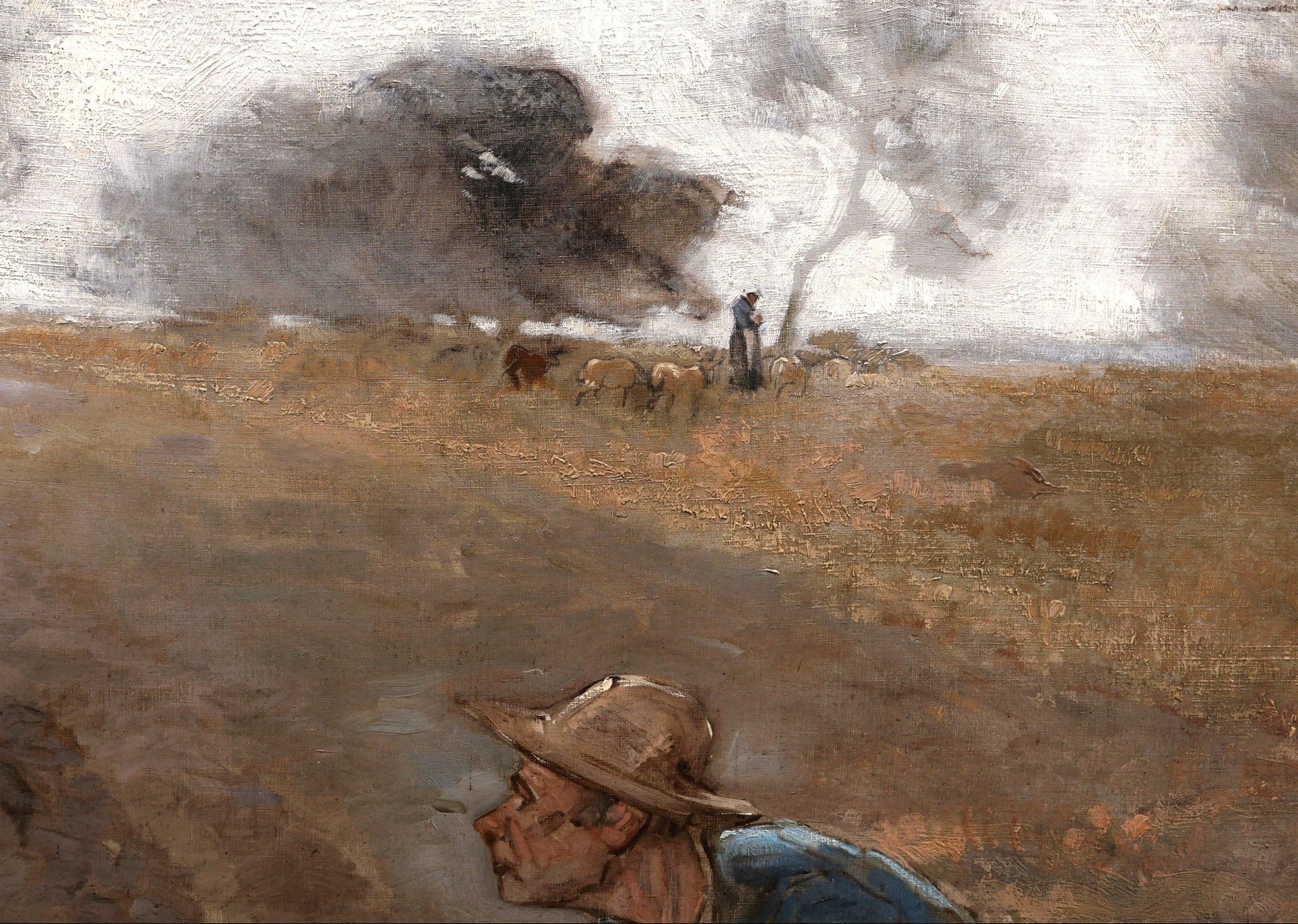
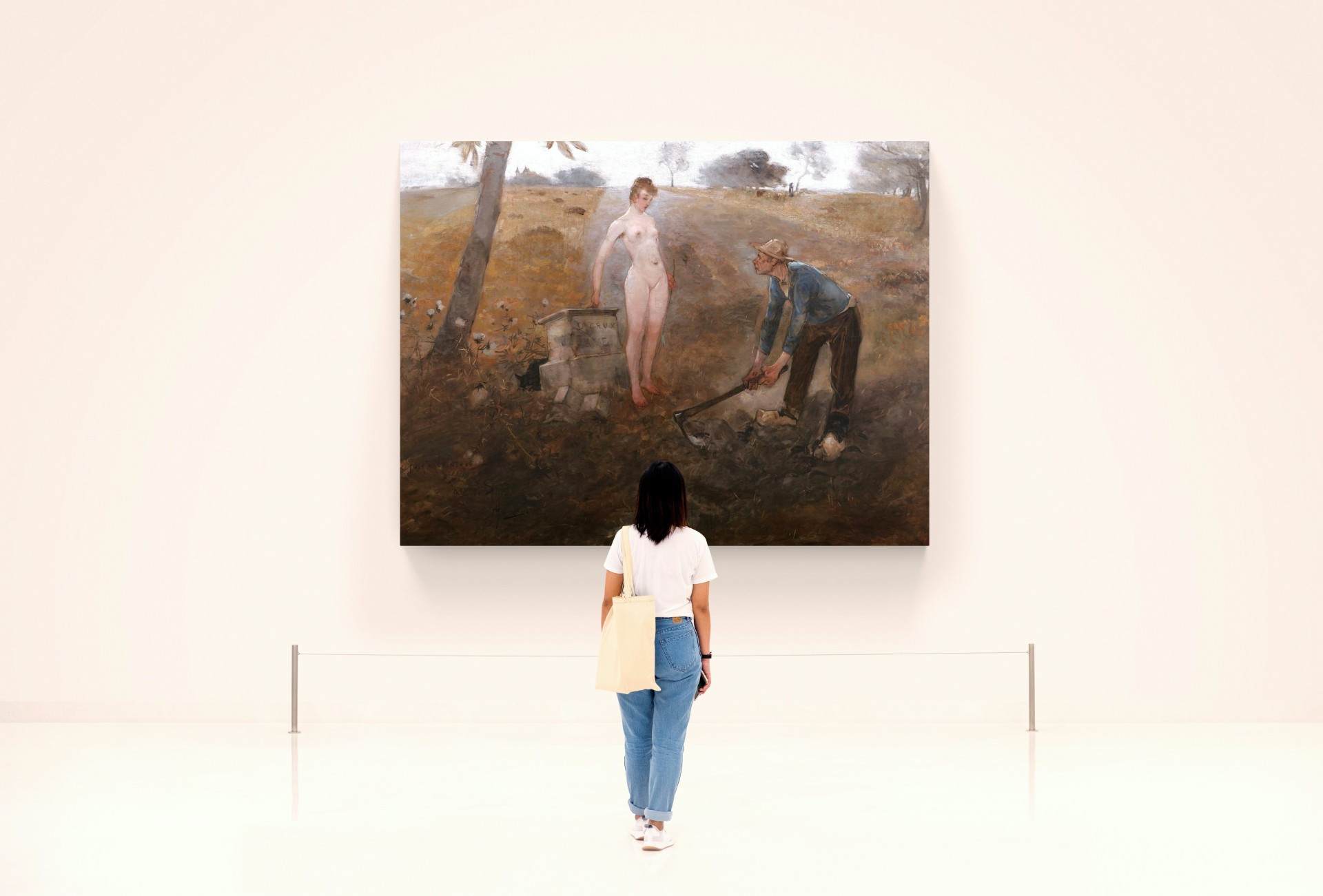
Jacob Henricus Maris, a renowned Dutch landscape painter and one of the leading figures of the Hague School, departs here from his usual style. Indeed, during his long stay in France between 1865 and 1871, and on various subsequent trips, he befriended numerous painters and artists. Among them were Fantin-Latour, Corot, Stevens, and... Rodolphe Salis, the famous founder of the equally famous cabaret Le Chat Noir, which can be glimpsed—if not the cabaret itself, then at least its mascot—casually reclining behind the base of the cross. Salis was a native of Châtellerault, very close to Naintré, and had therefore purchased the Château de la Tour de Naintré in 1892 as a retirement home; it can also be seen in the background of the painting, in the upper left corner. He commissioned two works from Maris to adorn his country home: the first is a copy of Willette’s *Adoration of the Golden Calf*, now housed at the Châtellerault Museum, and the second is none other than this painting.
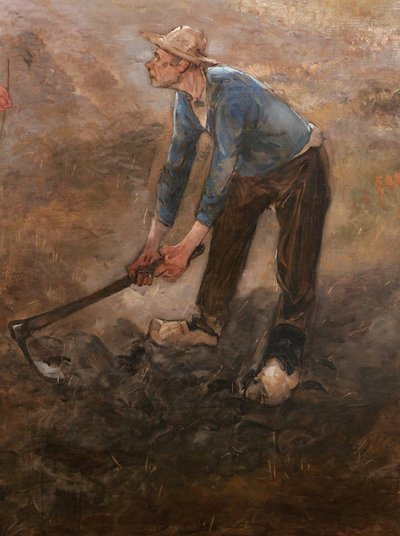
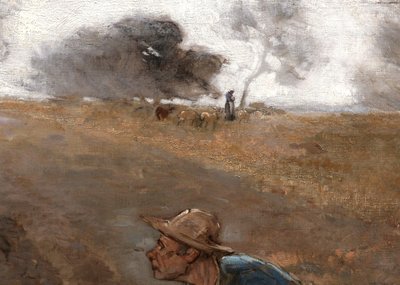
This highly symbolic—or Symbolist, if you will—work contains many elements: a depiction of his patron’s native land, and of his final resting place since he died there, but above all, a skillful blend of allusions and melancholic bawdiness. There are numerous allusions to the famous Montmartre cabaret: the tomcat lying at the foot of the stele, of course; the sudden appearance of that naked woman again (to paraphrase Thérèse), which refers to a plaster statue of Diana after Houdon that once stood in the cabaret’s entrance, and finally the obvious bawdy humor that surely added spice to the boozy evenings held there.
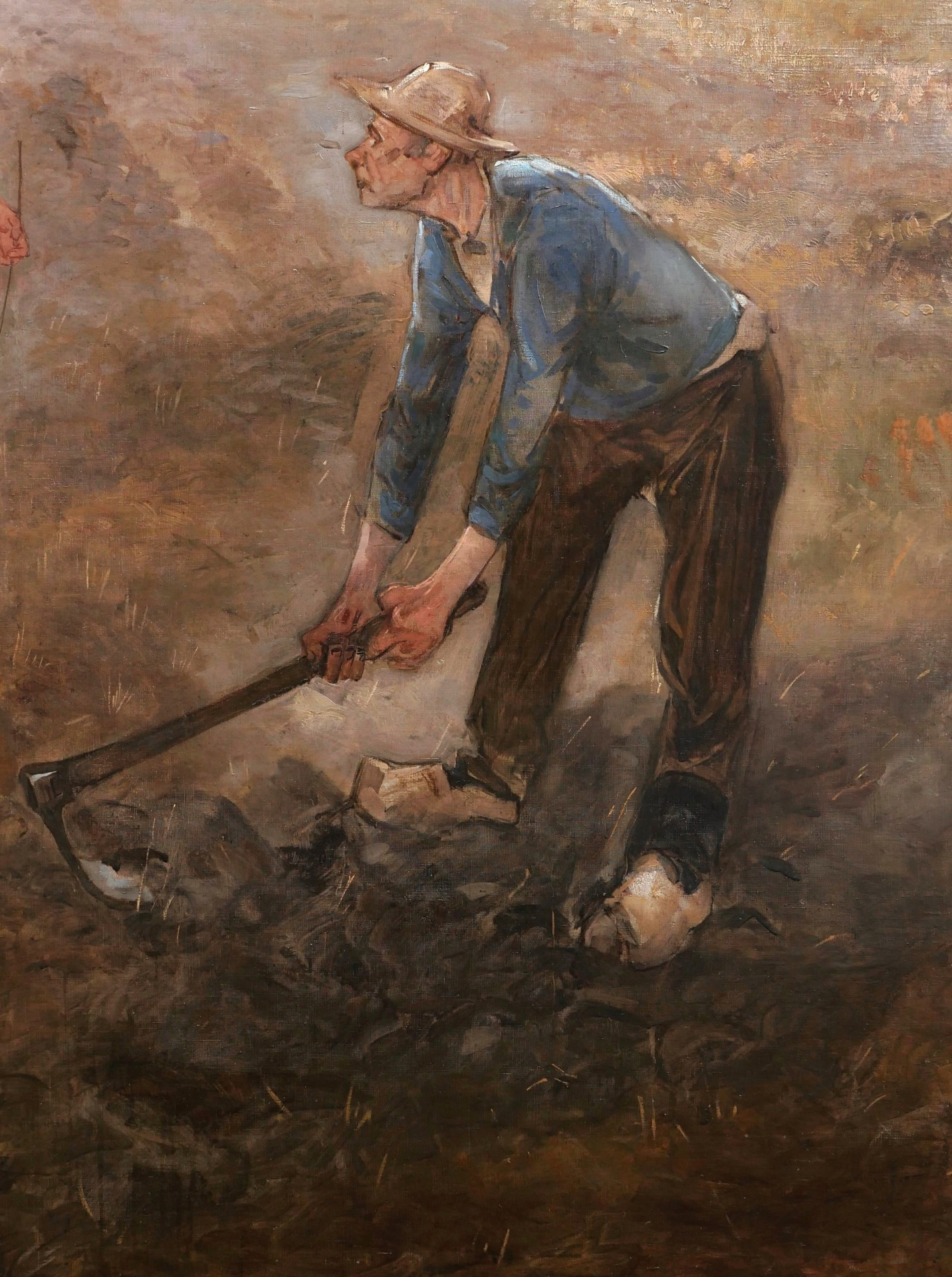
In a sort of comical yet sensitive reimagining of Millet’s *Angelus*, a young nude woman, appearing like Saint Thérèse (her again) to a hard-working farmer (not to say a rough farmer), replaces a cross that has fallen to the ground... On its pedestal, one can read: O CRUX AVE. In Gallic, that is: “Hail, O Cross.” Painted by a devout Dutch Protestant, the scene is not without its piquancy. The naked woman, a symbol of pleasure, replaces the suffering Christ, a symbol of pain and sacrifice; but in replacing him, she herself becomes the Cross, which Man must bear after his hard day’s work... Women will tell you that they suffer under our yoke, and they wouldn’t be wrong either! At Le Chat Noir, at any rate, the walls still echo with the sound of very joyful masses, the days after which are often quite melancholic...
Ref: E341GDJ2CH
| Condition | Very good |
| Style | Second Empire style, Napoleon III style (Paintings Genre scenes, Nudes of Second Empire style, Napoleon III style Style) |
| Period | 19th century (Paintings Genre scenes, Nudes 19th century) |
| Country of origin | France |
| Artist | Jacob Henricus MARIS (La Haye, 1837 – Karlsbad, 1899) |
| Width (cm) | 200 |
| Height (cm) | 150 |
| Materials | Oil on canvas |
| Shipping Time | Ready to ship in 2-3 Business Days |
| Location | 75009, PARIS, France |
4 commitments to buy with confidence

 English
 Français
 Italiano
 Deutsch