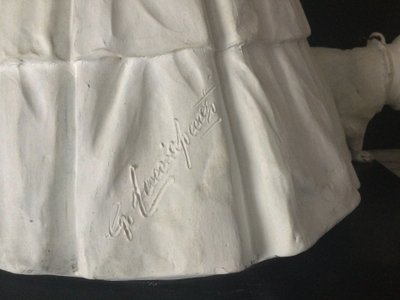
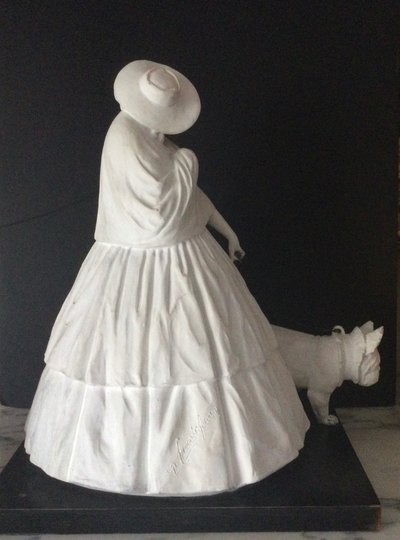

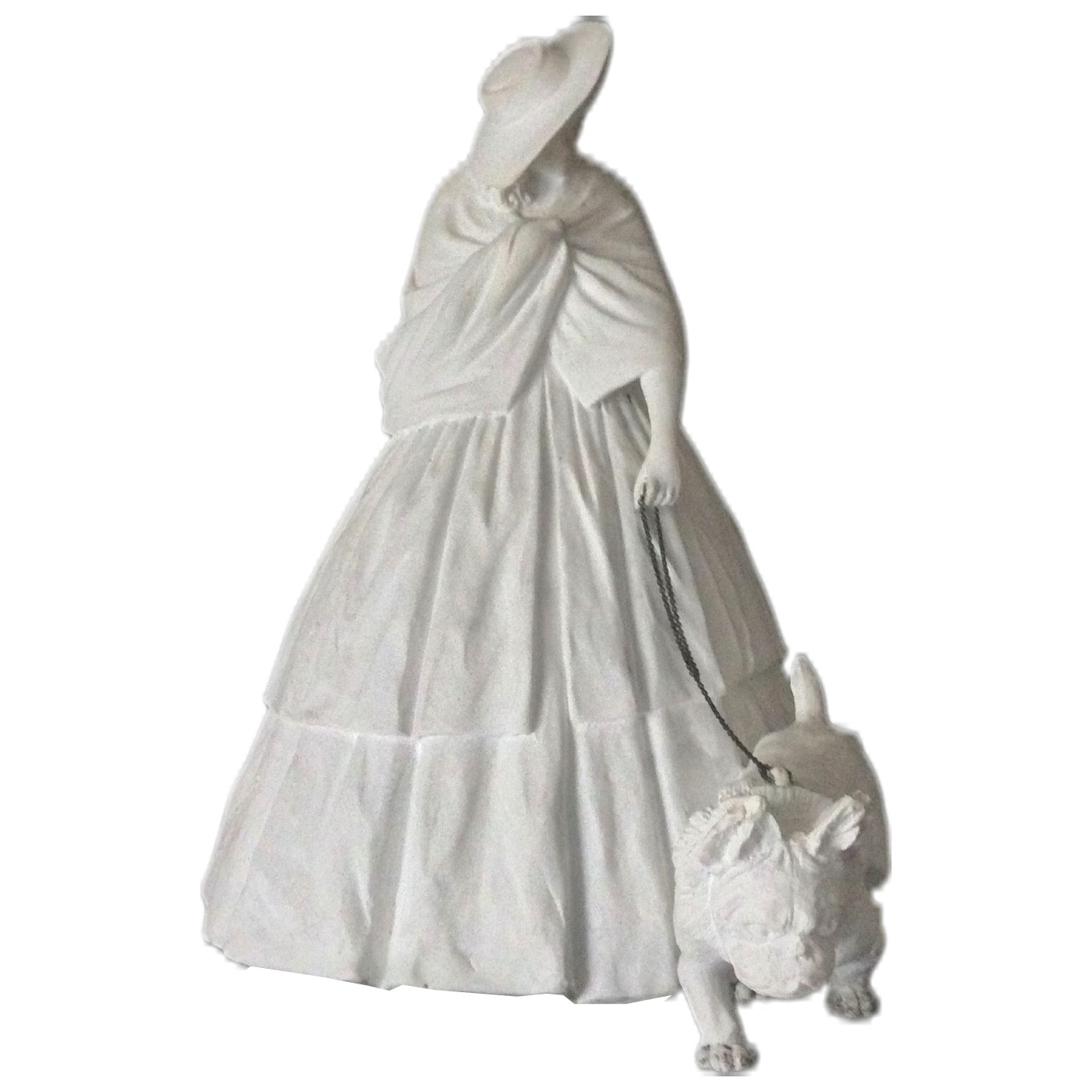
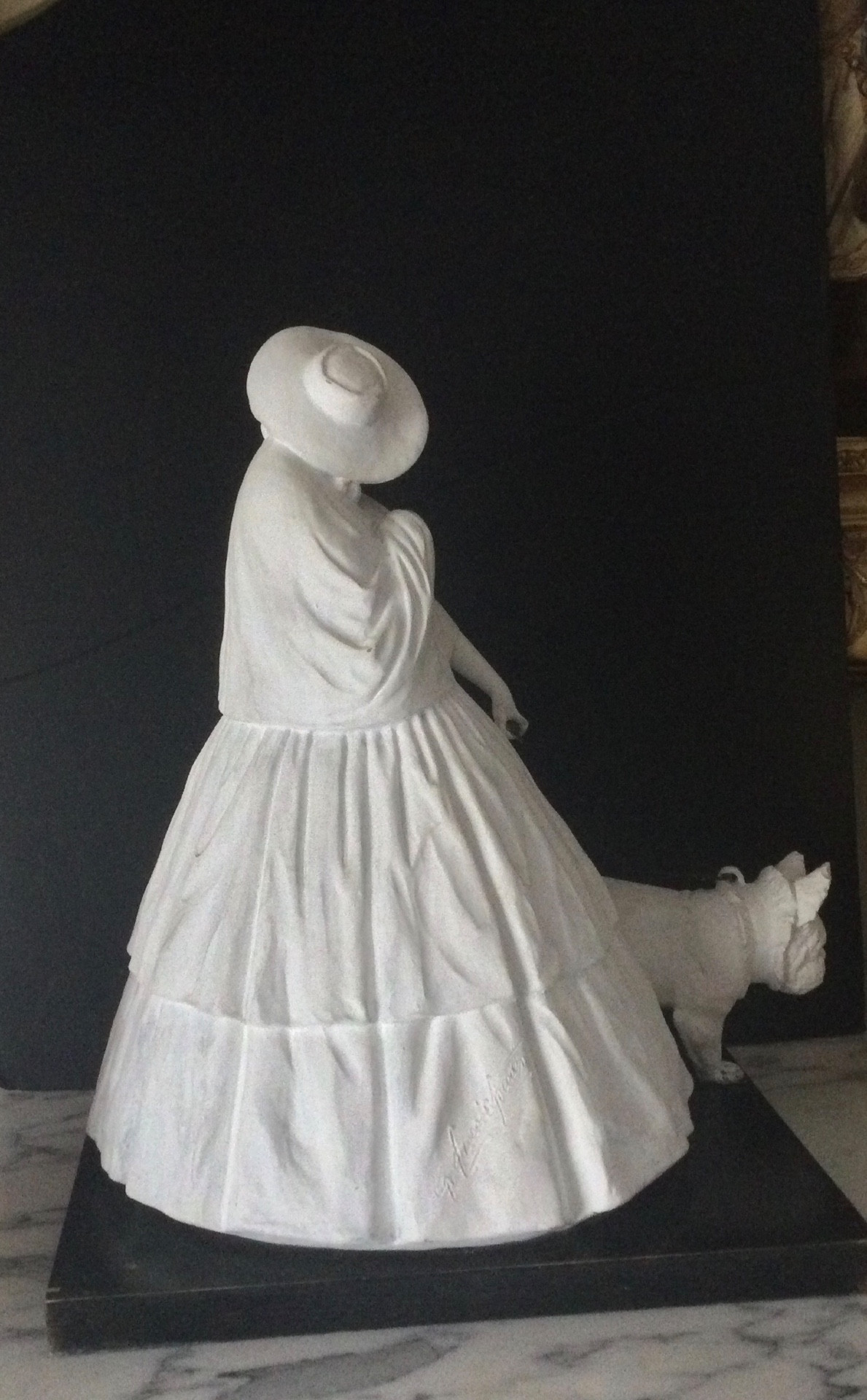

Would you like more images?

Guido Cacciapuoti was born in 1892 into a family of Neapolitan ceramists who had been producing majolica for generations. In the early 20th century, he moved with his brother Mario to Treviso, where they began working at the Gregorj factory
Through their respective work as independent artists and as designers for various manufacturers, the two brothers helped diversify the Treviso ceramics scene in the early 20th century. In Treviso, Guido became friends with Arturo Martini and collaborated with Enrico Lazzar at the “Lazzar & Marcon” factory, founded to produce artistic ceramics with floral motifs
Within this collaboration, Guido distinguished himself through his great talent as a modeler, particularly thanks to his animal sculptures.
He is credited with creating several models that enjoyed great success in southern Italy, depicting groups of animals and children.
However, his personal body of work—initially unique and later reproduced in small series—proves to be more interesting, establishing Guido as one of the most original Italian animal artists
In 1908, the artist participated in various local exhibitions, presenting two small terracotta works at the second exhibition in Treviso
Despite his remarkable talent for ceramics, Guido experimented with various sculptural techniques: plaster, bronze, and mixtures such as stoneware, terracotta, and earthenware coated with a transparent glaze or enameled pigments
In the 1920s, his small studio in Treviso became a gathering place for other sculptors who expressed themselves through clay and plaster, such as Martini
Some of his works were acquired by prominent figures such as King Victor Emmanuel III of Italy, Mussolini, General Archille Starace, and Prince George of England
After the war, Cacciapuoti moved to Milan, where in 1927—after years of apprenticeship—he founded, with his brother and Angelo Bignami, the “Grès d’Arte Cacciapuoti Bignami & C” factory, where the artist simplified and mass-produced the designs from his so-called “Treviso” period.
However, in 1930, following the death of his brother Guido, he remained the sole owner of the company, which immediately enjoyed great success thanks to his realistic animal sculptures, increasingly characterized by bold volumes
While gradually simplifying the forms,
Cacciapuoti imbued his works with unique expressive and sculptural qualities.
The artist died in Milan in 1953, thus bringing an end to the Cacciapuoti workshop.
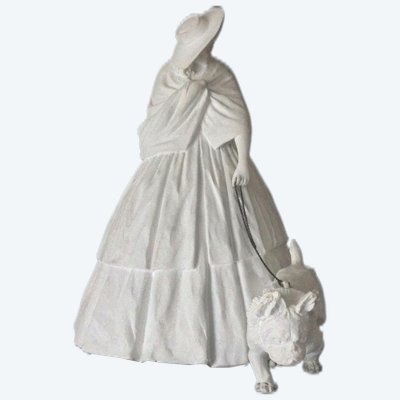
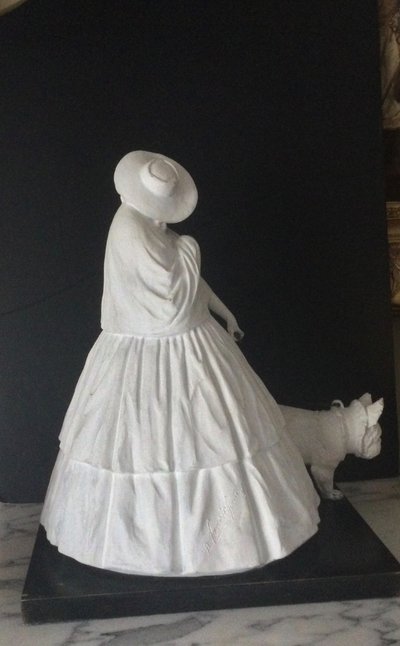
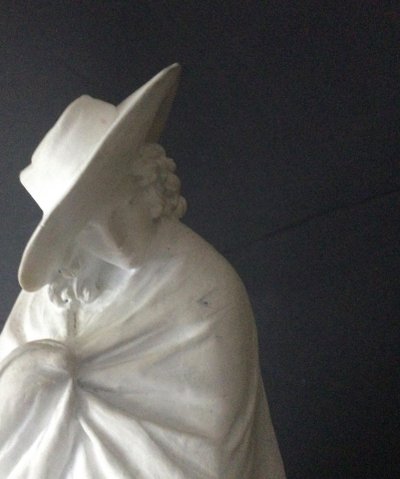
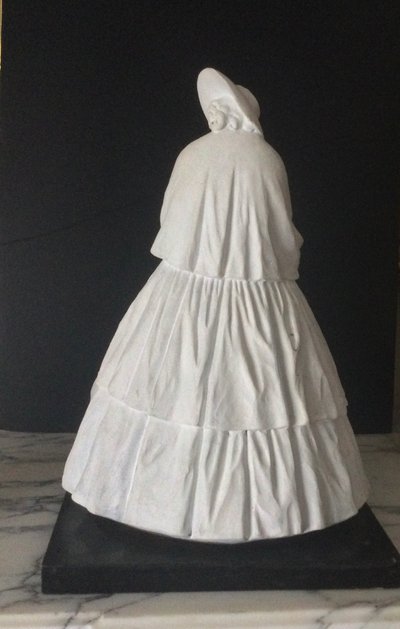
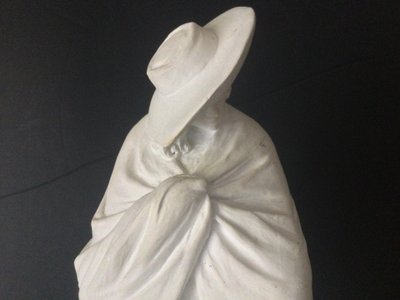
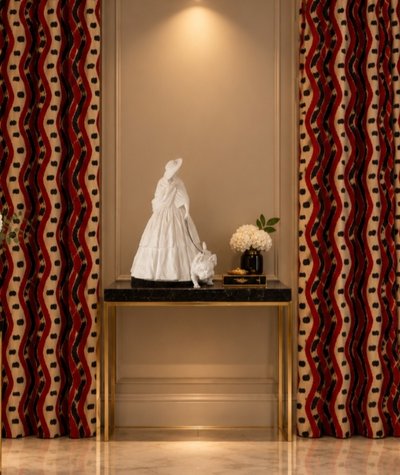
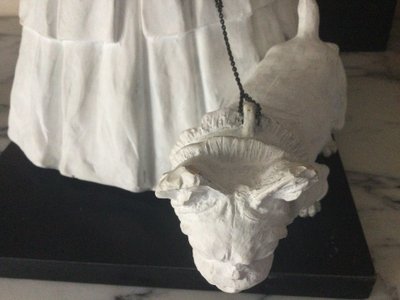
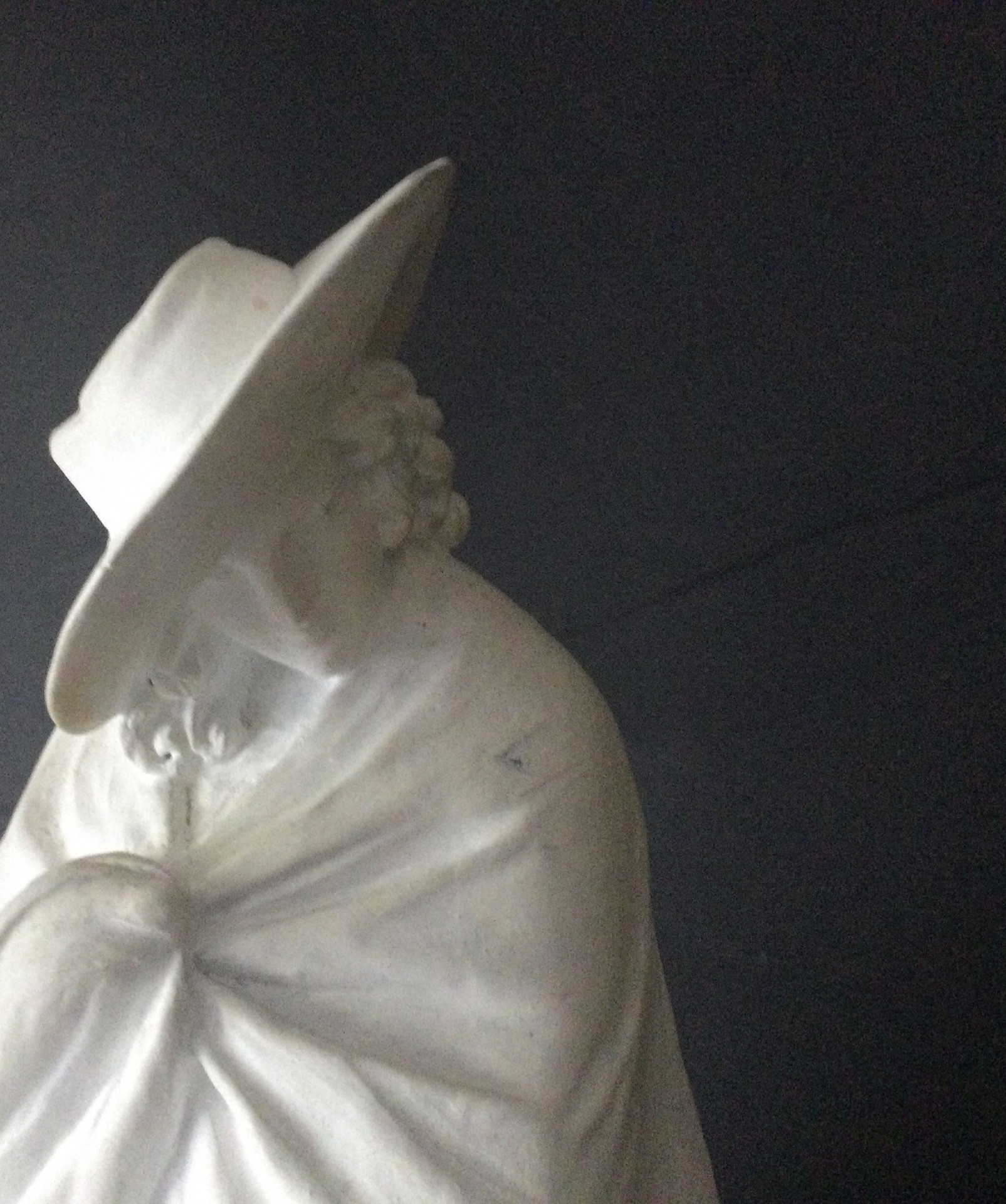
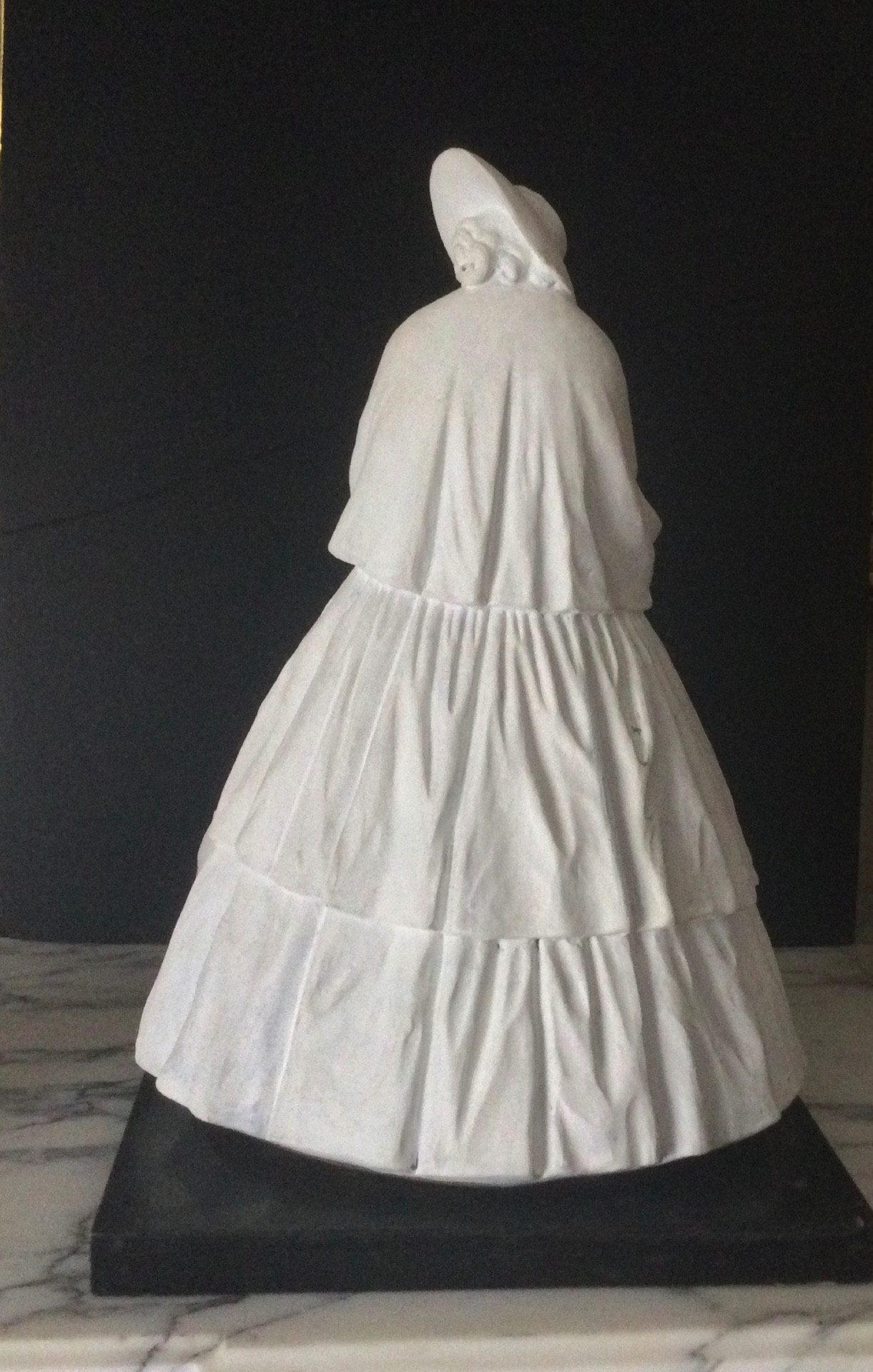
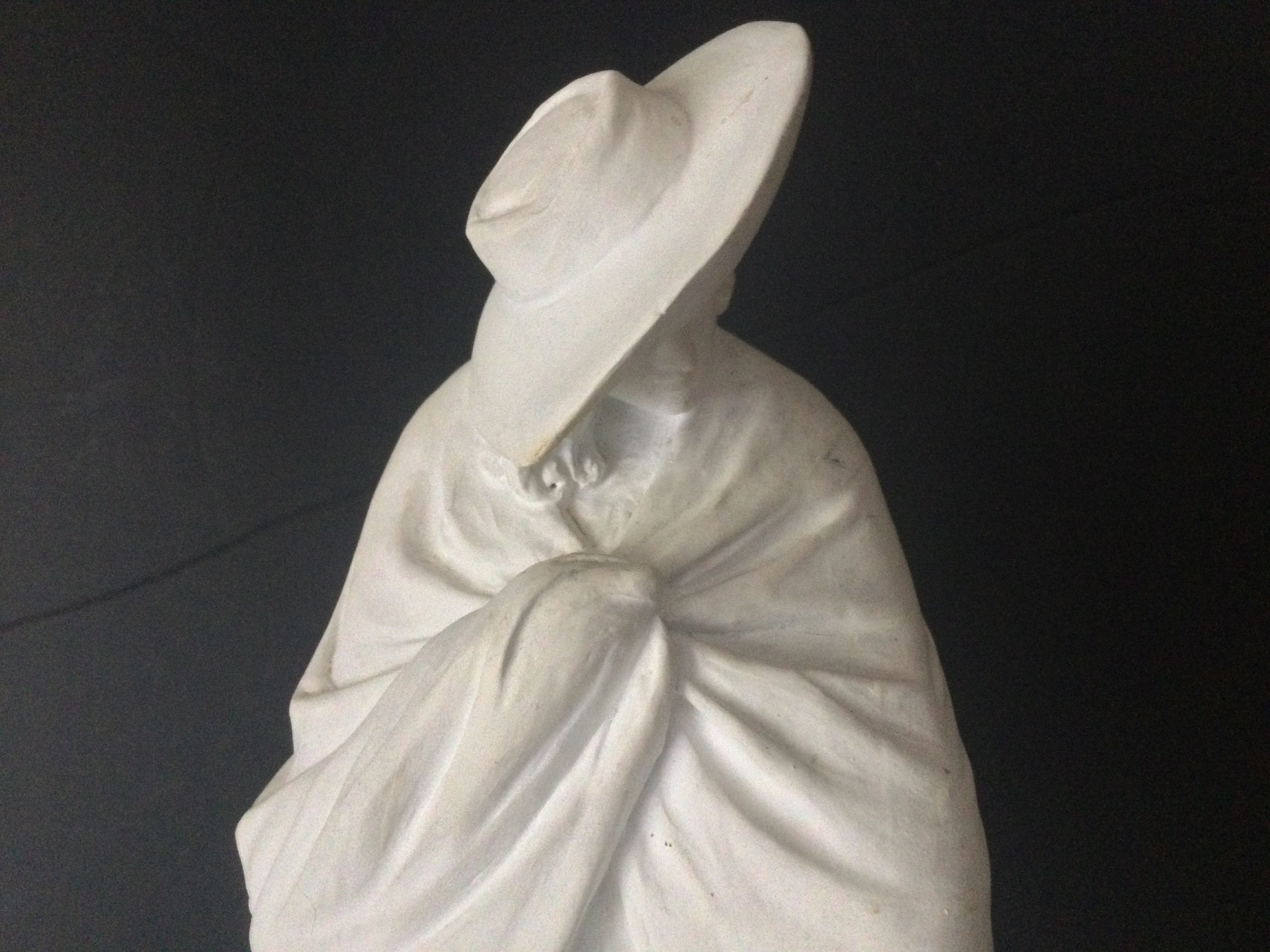
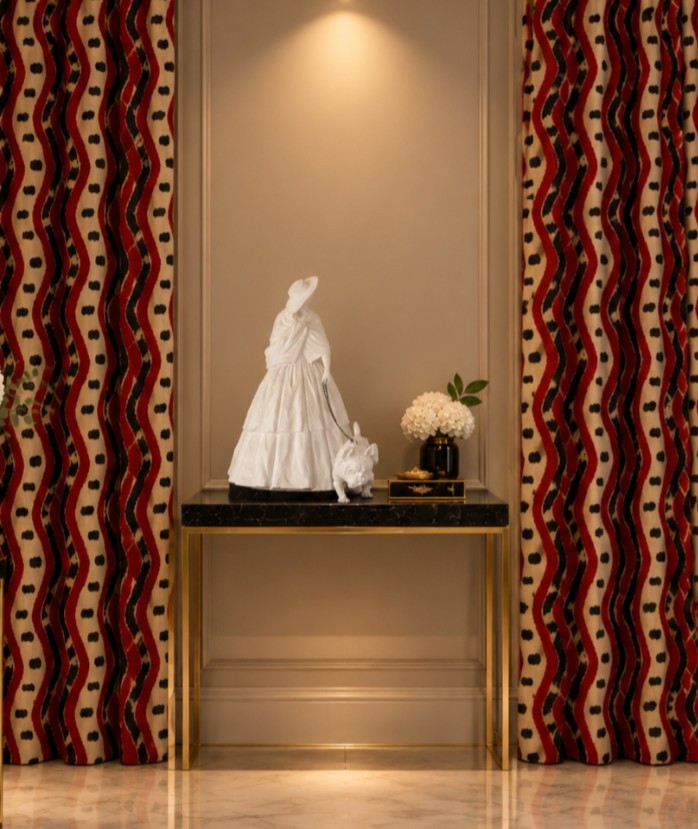
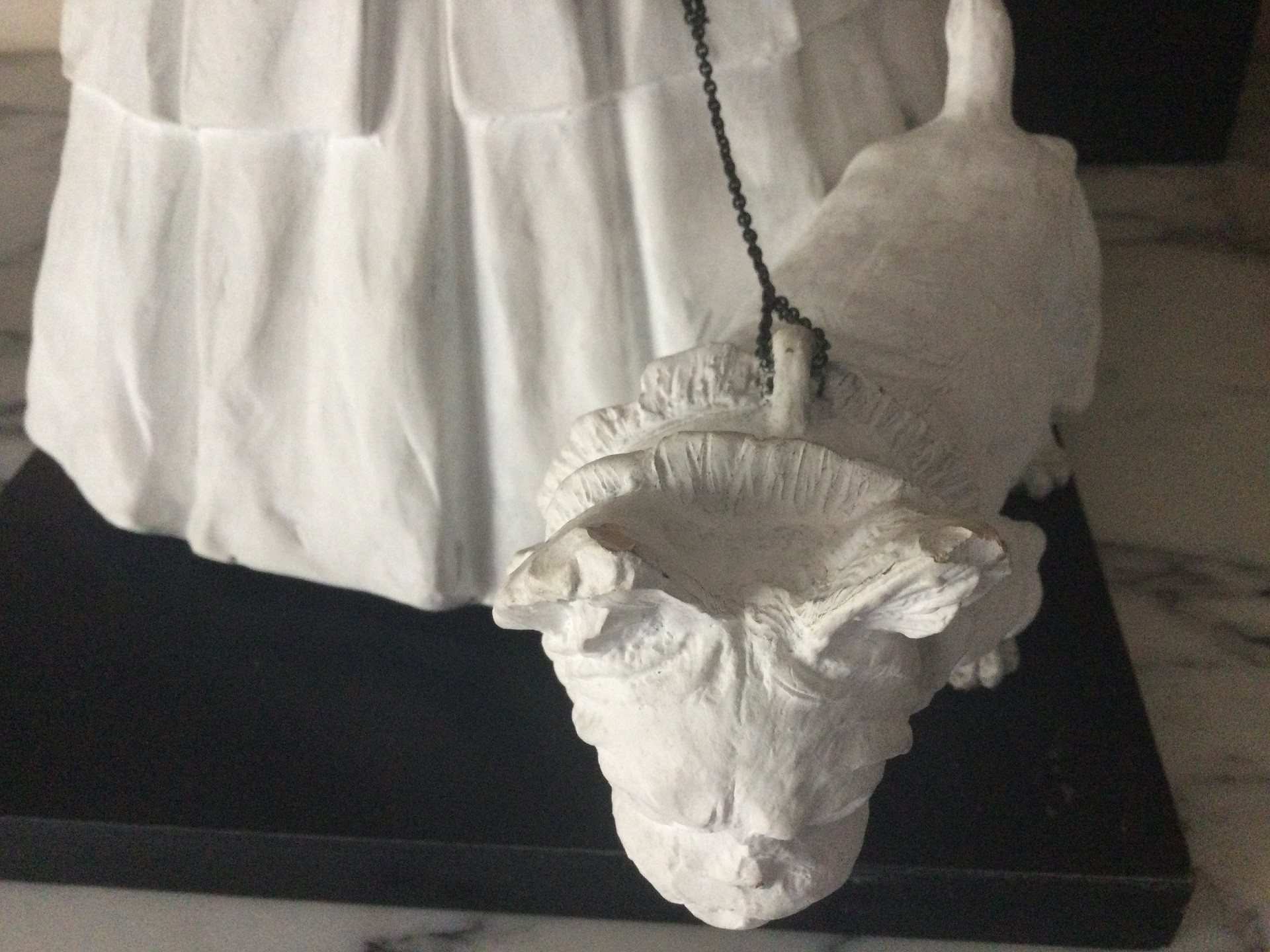
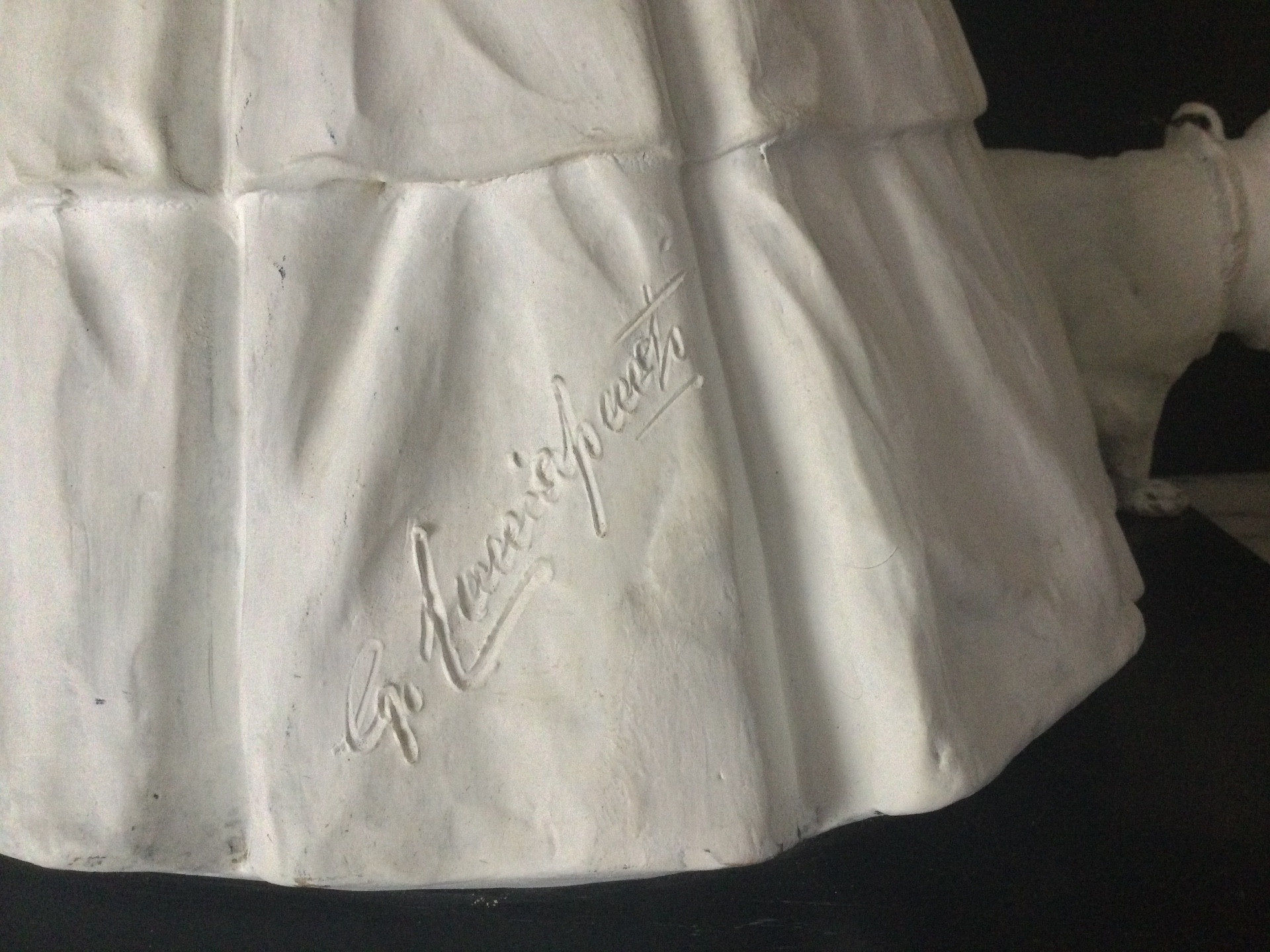
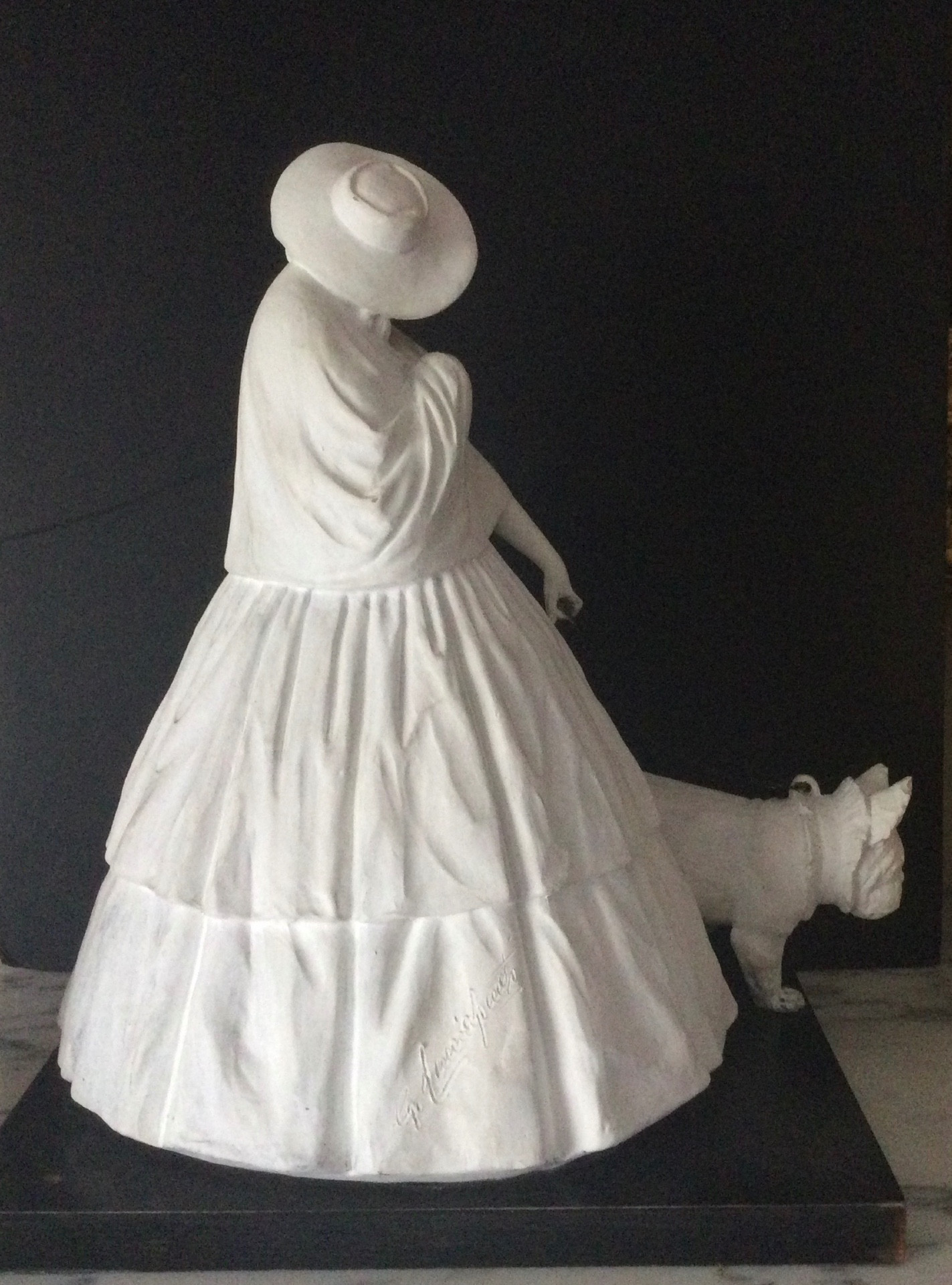
Our white-patinated terracotta sculpture is in good condition; the dog has a small chip on its ear and is displayed on a black wooden base
Dimensions: height 40 cm x 20 cm x 29 cm
Dimensions of the dog: 17 cm x 10 cm
In good condition, with a few signs of wear and a small chip in the white patina in one spot
As is
Please feel free to contact us. Payment is by bank transfer; we do not accept credit cards, checks, or PayPal.
All inquiries will be handled via email through ANTIKÉO
Ref: Q4TH7MSLLE
| Condition | As new |
| Style | Art Nouveau (Terracotta sculpture of Art Nouveau Style) |
| Period | 20th century (Terracotta sculpture 20th century) |
| Country of origin | Italy |
| Artist | Guido Cacciapuoti |
| Materials | Terracotta |
| Shipping Time | Ready to ship in 15-30 Business Days |
| Location | 41000 , Blois, France |
4 commitments to buy with confidence

 English
 Français
 Italiano
 Deutsch