This description has been translated and may not be completely accurate. Click here to see the original
Present on the international platform VCoins under the name Carthago Numismatics, we uphold the same standards, the same numismatic expertise, and strict price parity.
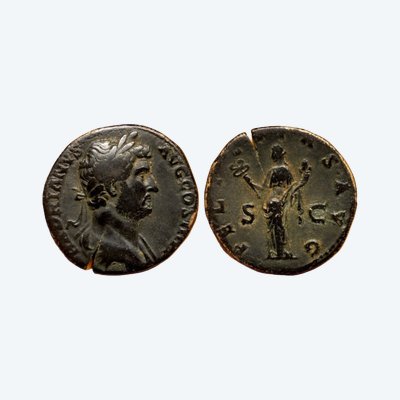
Bronze sestertius struck under the reign of Trajan, between 103 and 111 AD, measuring 36 mm and weighing 23.54 g. The obverse depicts a laureate, draped, and cuirassed bust to the right, with the full legend IMP CAES NERVAE TRAIANO AVG GER DAC P M TR P COS V P P, entirely legible. The reverse shows a triumphal arch of extraordinary detail: a central passage with columns, side registers decorated with horses, arms, and figures, Victories beneath the pediment, and an elaborate tripartite superstructure crowned by a six-horse quadriga, above a frieze inscribed I • O • M (Iovi Optimo Maximo).
The olive-brown patina with golden highlights, homogeneous and stable, confirms ancient preservation. The bold reliefs remain clear, with natural micro-wear on the highest points, entirely consistent with genuine ancient circulation. Legends are complete and perfectly framed, attesting to a well-centered strike from the Rome mint.
Technical Features
-
Emperor: Trajan (98–117 AD)
-
Mint: Rome, 103–111 AD
-
Denomination: Sestertius (Æ)
-
Metal: orichalcum (copper-zinc alloy)
-
Weight / Diameter: 23.54 g – 36 mm
-
Condition: superior for this rare type; stable patina; well-preserved reliefs; natural, harmonious wear
-
References: RIC 573; BMC 845; CBN 219; Cohen 547; Woytek 187f
-
Provenance: private collection, certified by authenticity certificate
-
Authenticity: certificate of authenticity + professional expert report
-
Sale: international specialized transaction within a recognized numismatic network, validated by reference experts, in full compliance with the highest standards of the art and heritage market
Historical and Cultural Context
Trajan, honored as Optimus Princeps, had monumental arches and public works built to immortalize his victories and Rome’s grandeur. Sestertii of this type served as visual propaganda, disseminating the imperial image across the provinces. The reverse iconography is a documentary record of Roman architecture, symbolizing power, divine favor, and military success.
Formal Expertise (Detailed Observation)
-
Portrait: vigorous style, with clearly defined laurel wreath and hair.
-
Architecture: detailed iconography; Victories, horses, quadriga, and inscription finely preserved.
-
Flan: well-preserved edges, regular, without cracks.
-
Surface: continuous patina with stable deposits, attesting to authentic ancient preservation.
-
Stylistic and metrological consistency: weight, style, and inscriptions fully conform to Rome’s official issues.
Cultural and Collectible Value
This sestertius transcends numismatics: it appeals to coin collectors, art lovers, historians, and museums alike, thanks to its bold portrait, rare reverse type, and exceptional preservation. It is both a historical document and an art object, fit for distinguished collections.
PRESENTING AN EXCEPTIONAL MODULE OF 36 MM for a PRECISE WEIGHT OF 23.54 G.
This specimen, of a QUALITY RARELY ENCOUNTERED ON THE MARKET, combines STYLISTIC RIGOUR, ARCHITECTURAL BALANCE, and SYMBOLIC POWER.
COMPARABLE TO THE REFERENCE EXAMPLE (lot no. 821, NAC 150 sale, December 2024, hammered at 30,000 CHF ≈ €31,000), it stands as ONE OF THE MOST ACCOMPLISHED TESTIMONIES OF TRAJANIC COINAGE.
Important Note
NB: Display bases, frames, and presentation elements visible in the photographs are solely for staging purposes and are not included in the sale.
Ref: Q6CE3IE6HQ

 English
 Français
  Italiano
  Deutsch
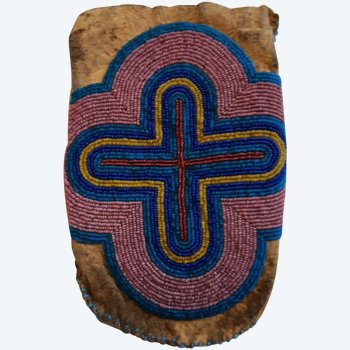
  Crow pouch
800 € EUR
Crow pouch
800 € EUR