This description has been translated and may not be completely accurate. Click here to see the original
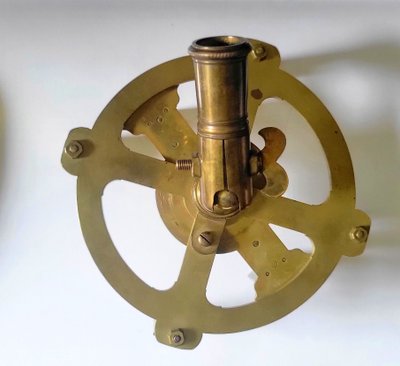
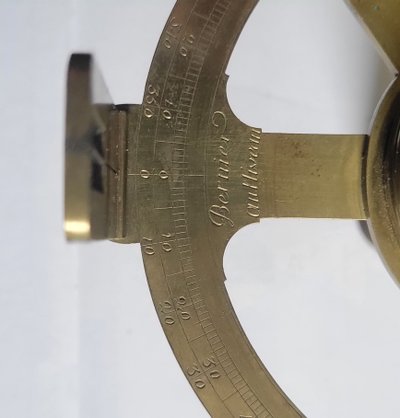
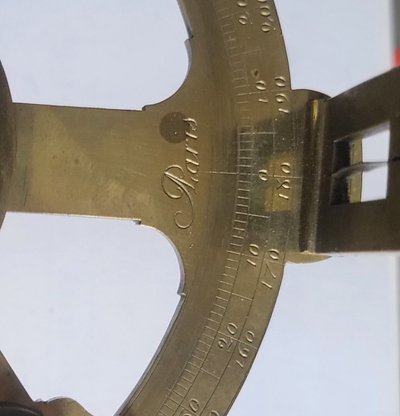
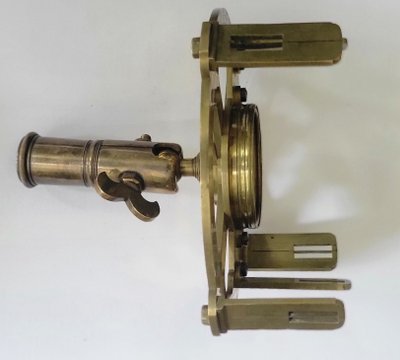
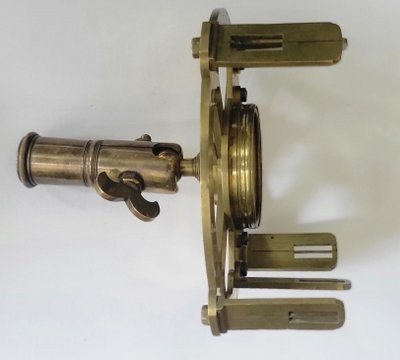
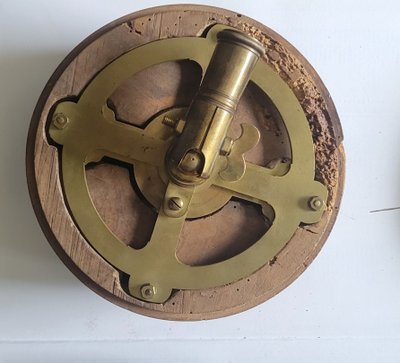
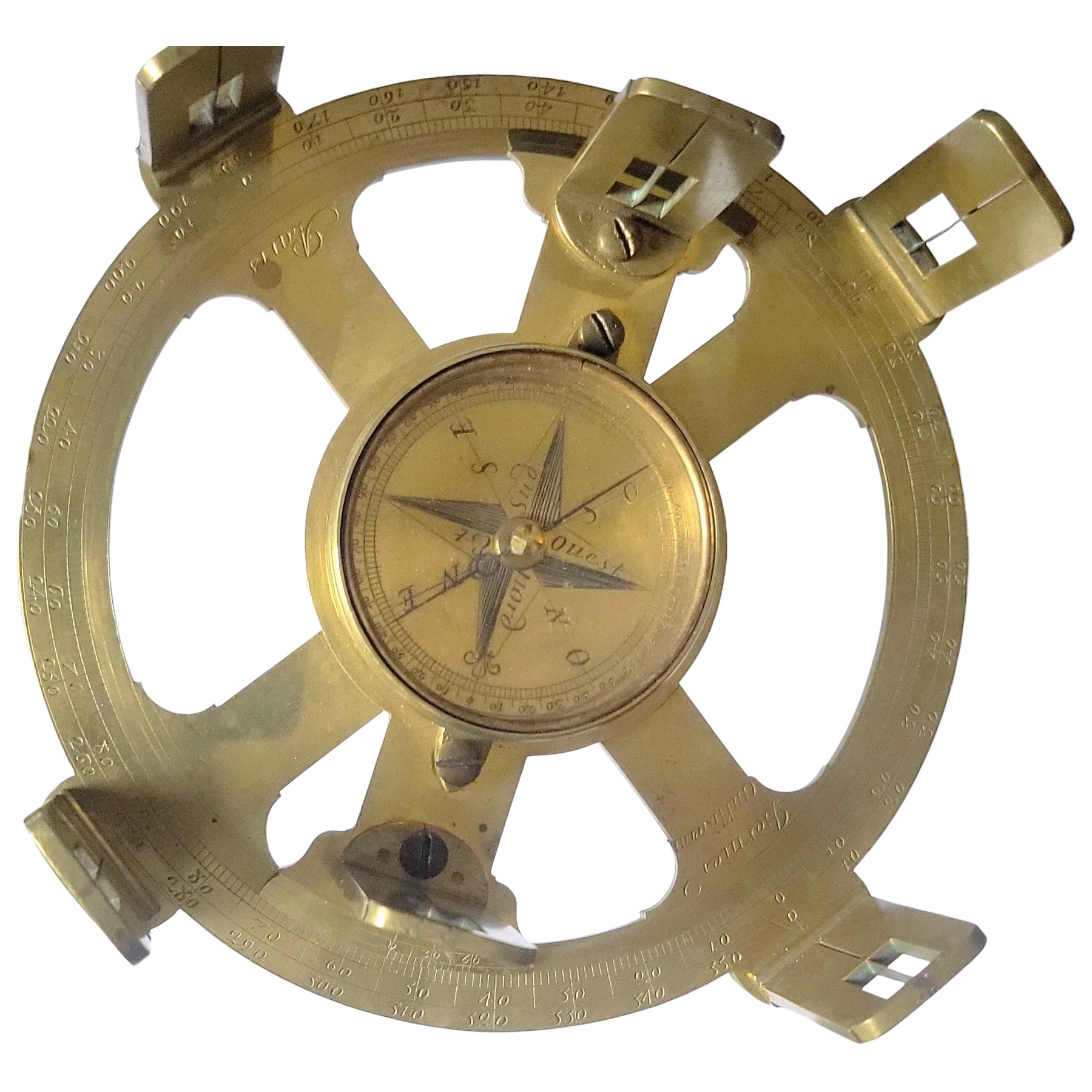
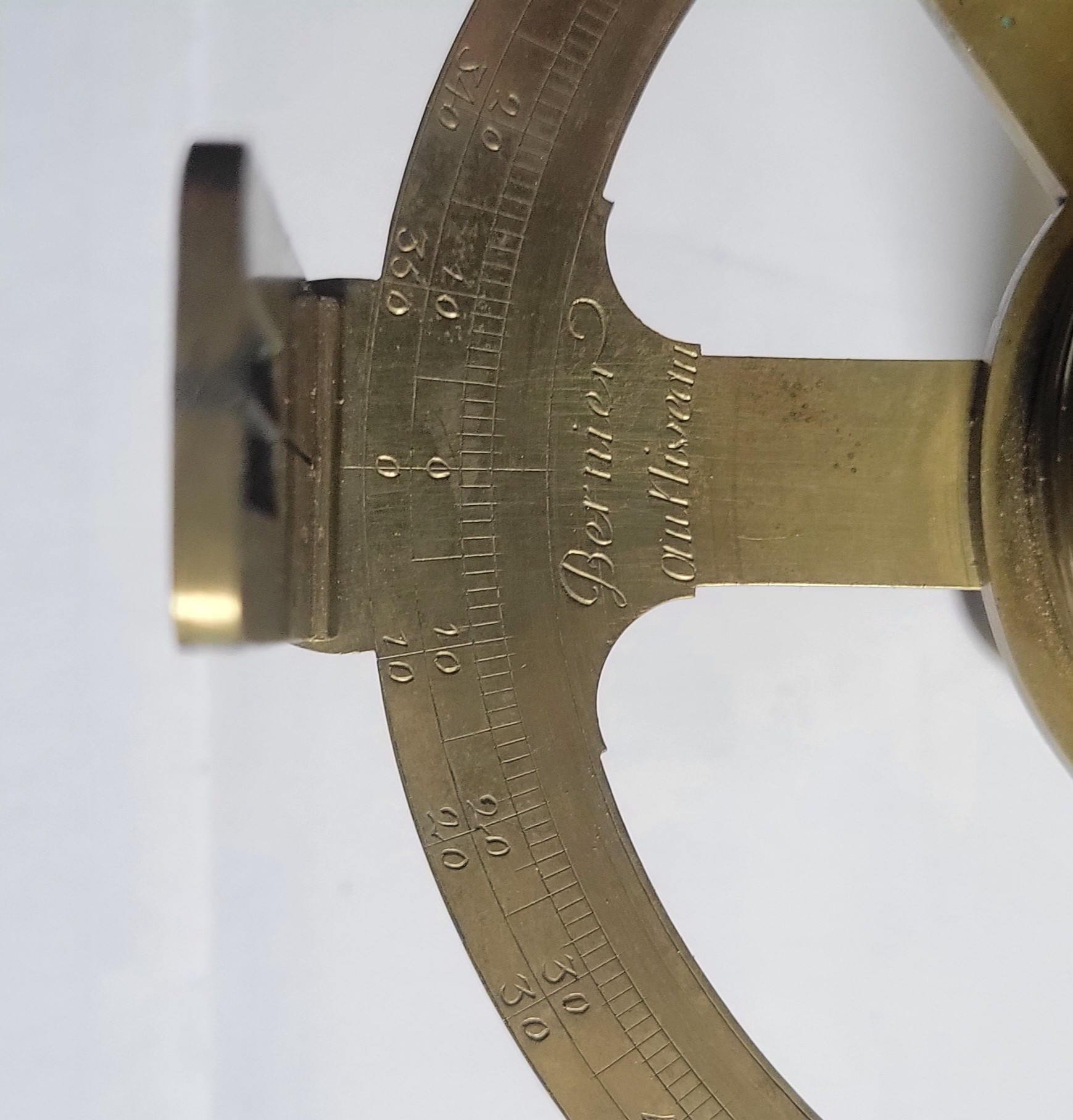
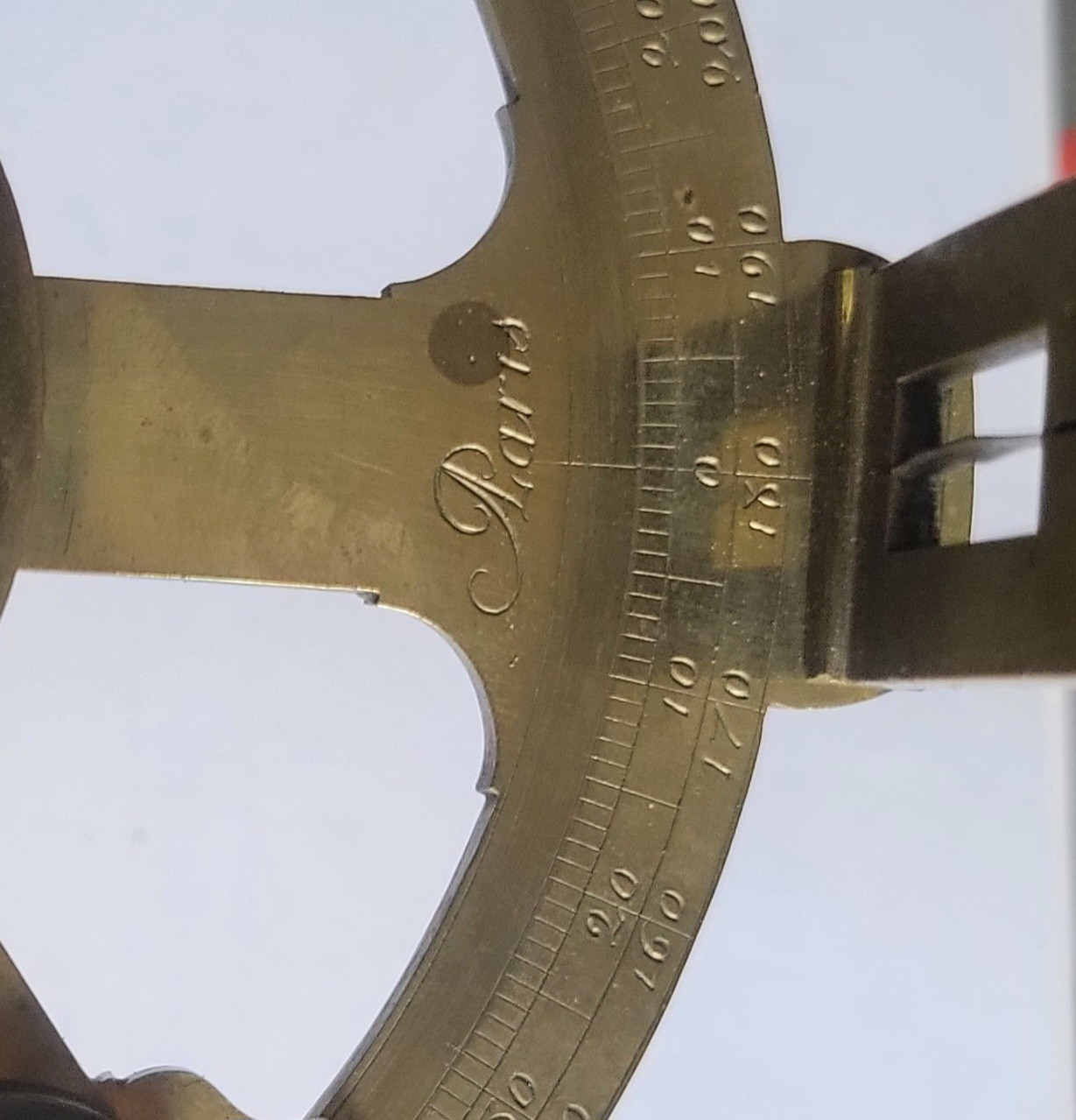
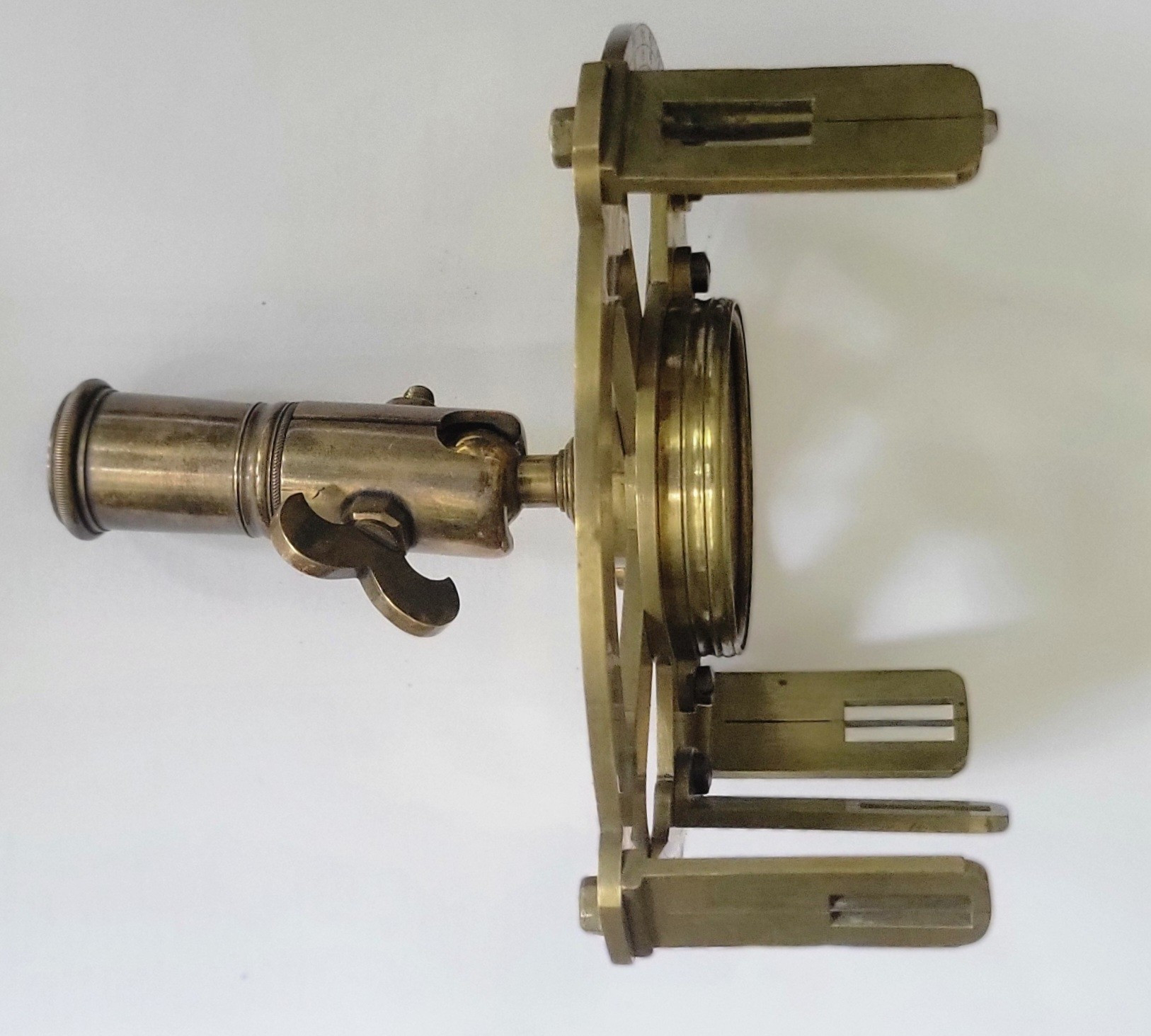
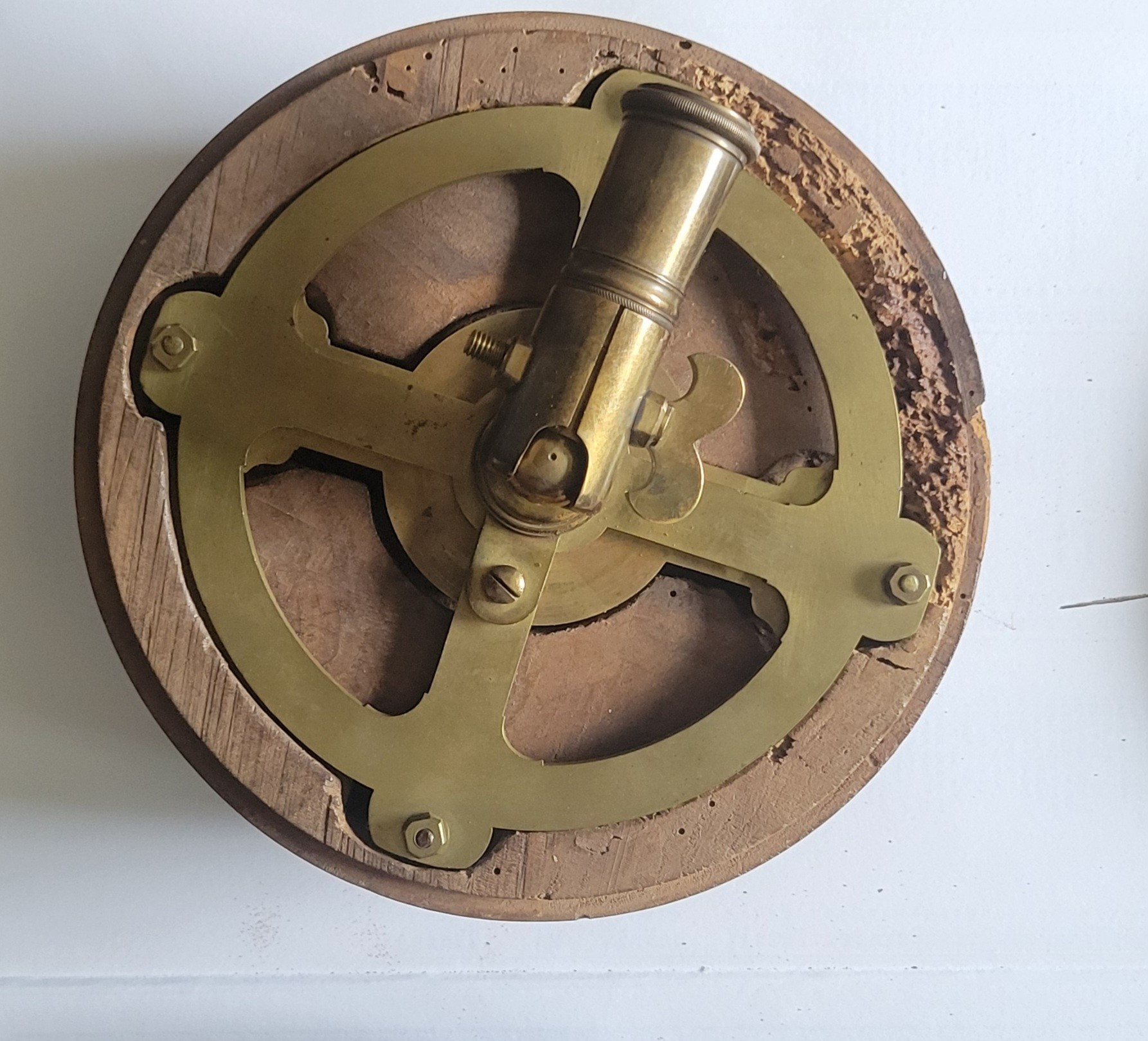
A full circle, also known as a Dutch circle, from the 18th century, signed BERNIER Paris.
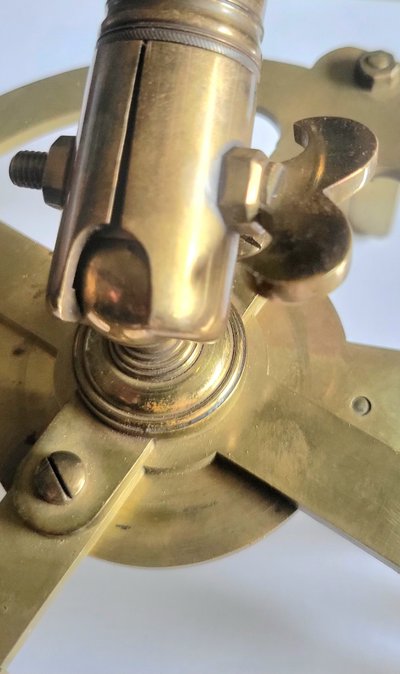
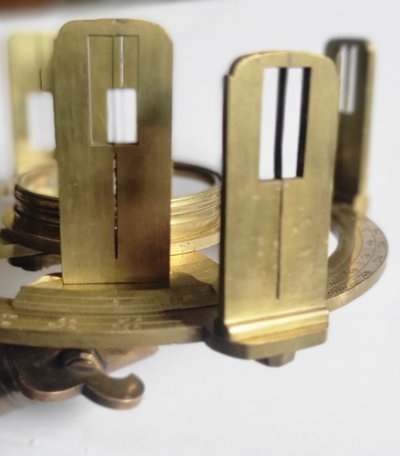
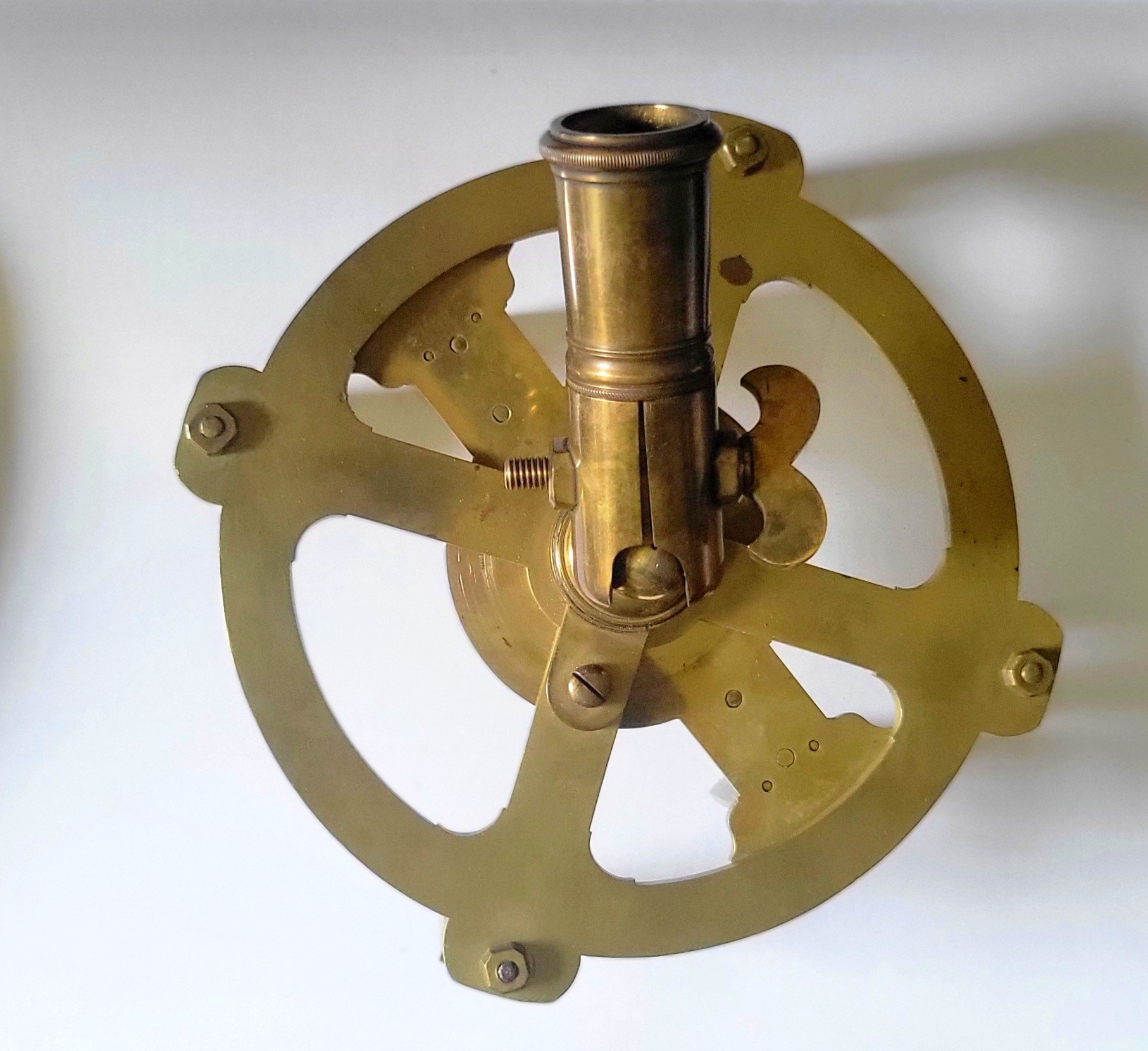
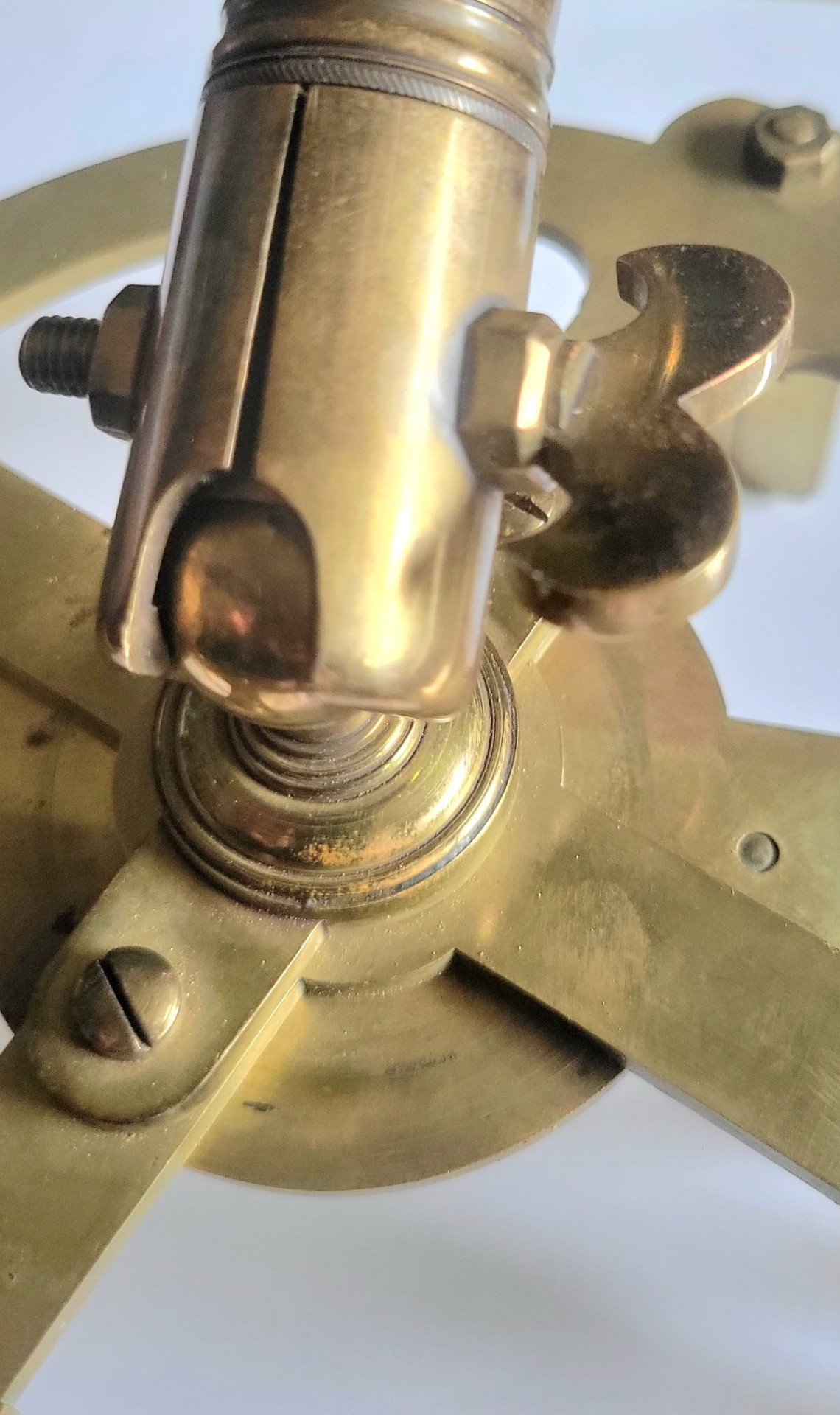
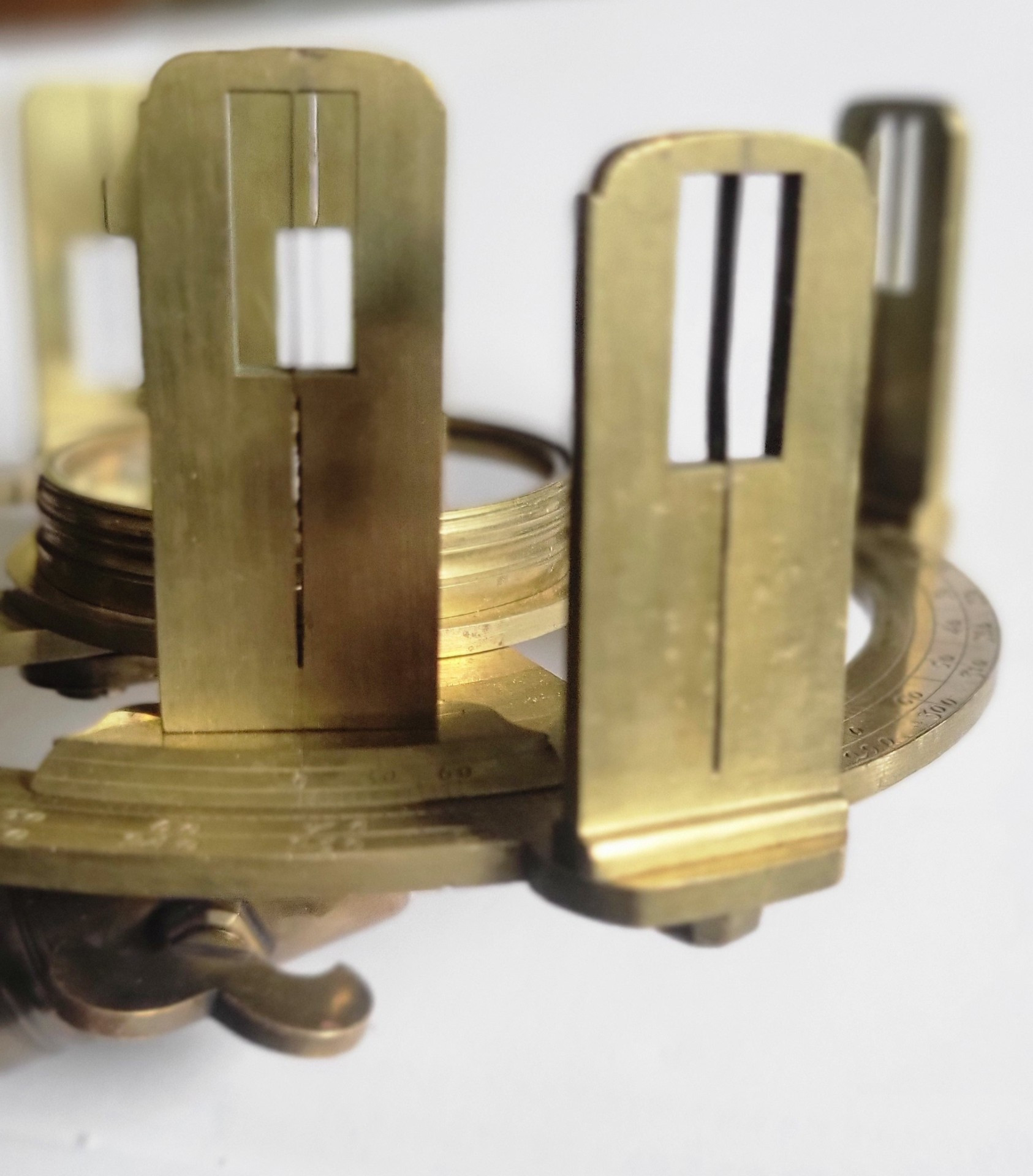
A scientific instrument for measuring horizontal terrestrial and celestial angles. It is made of brass. The first goniometers (instruments for measuring angles) were full circles. This brass instrument is equipped with a compass and pinnules. The rim is graduated from 0 to 360 degrees. It rests on a ball joint with a screw, known as a "butterfly" screw. Signed Bernier Paris on the rim.
18th century, circa 1770-1780.
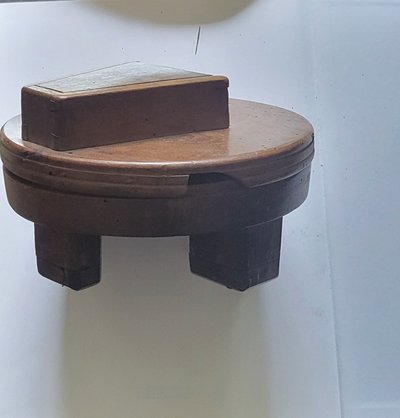
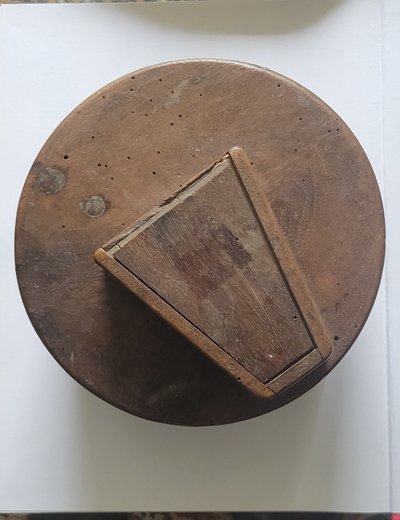
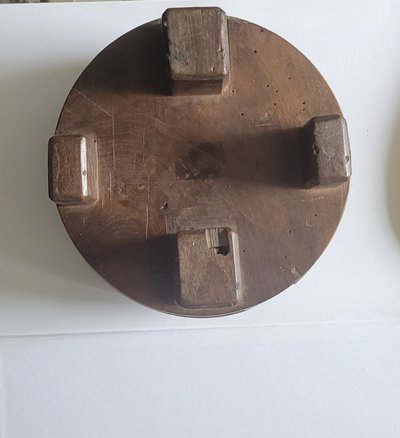
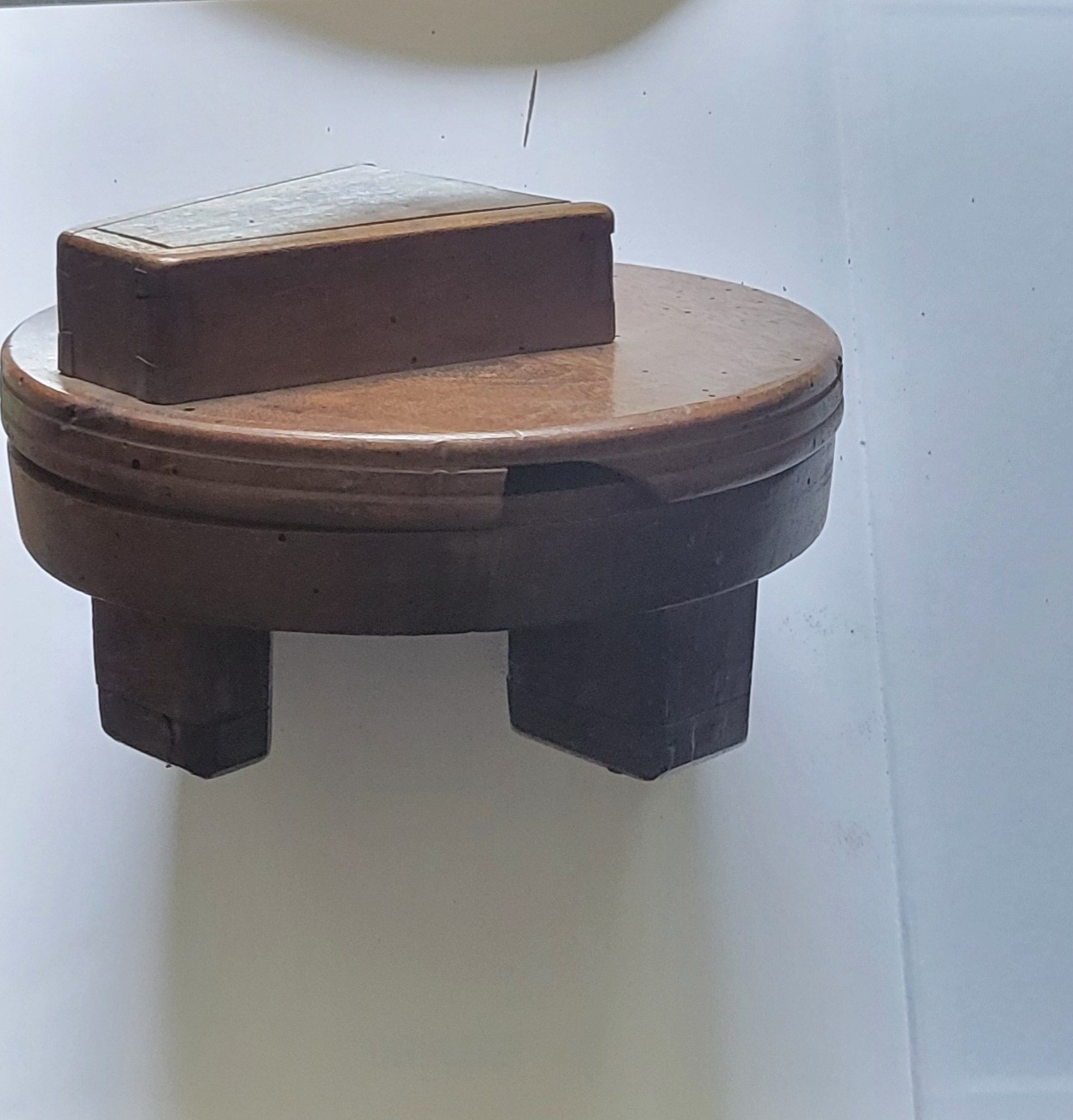
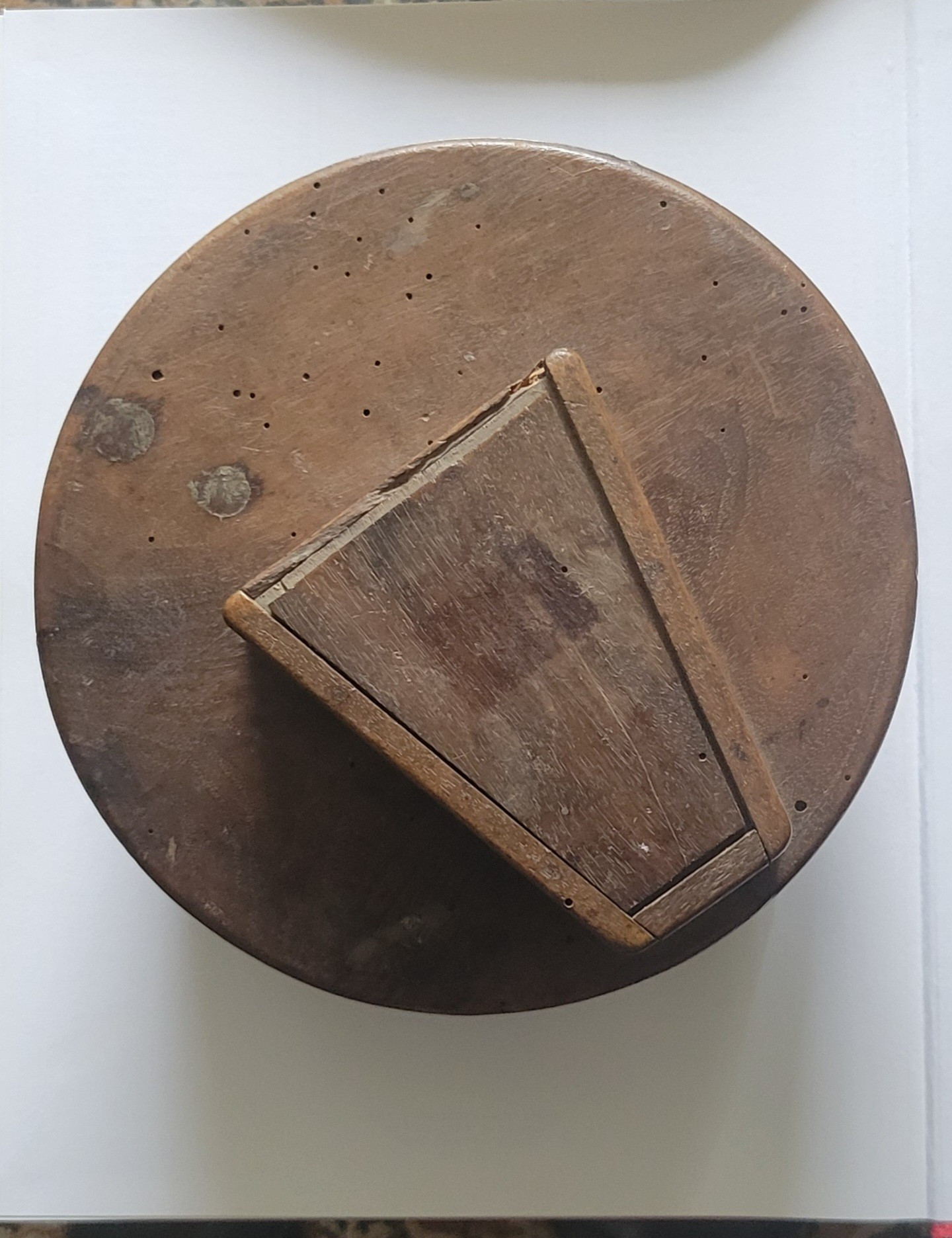
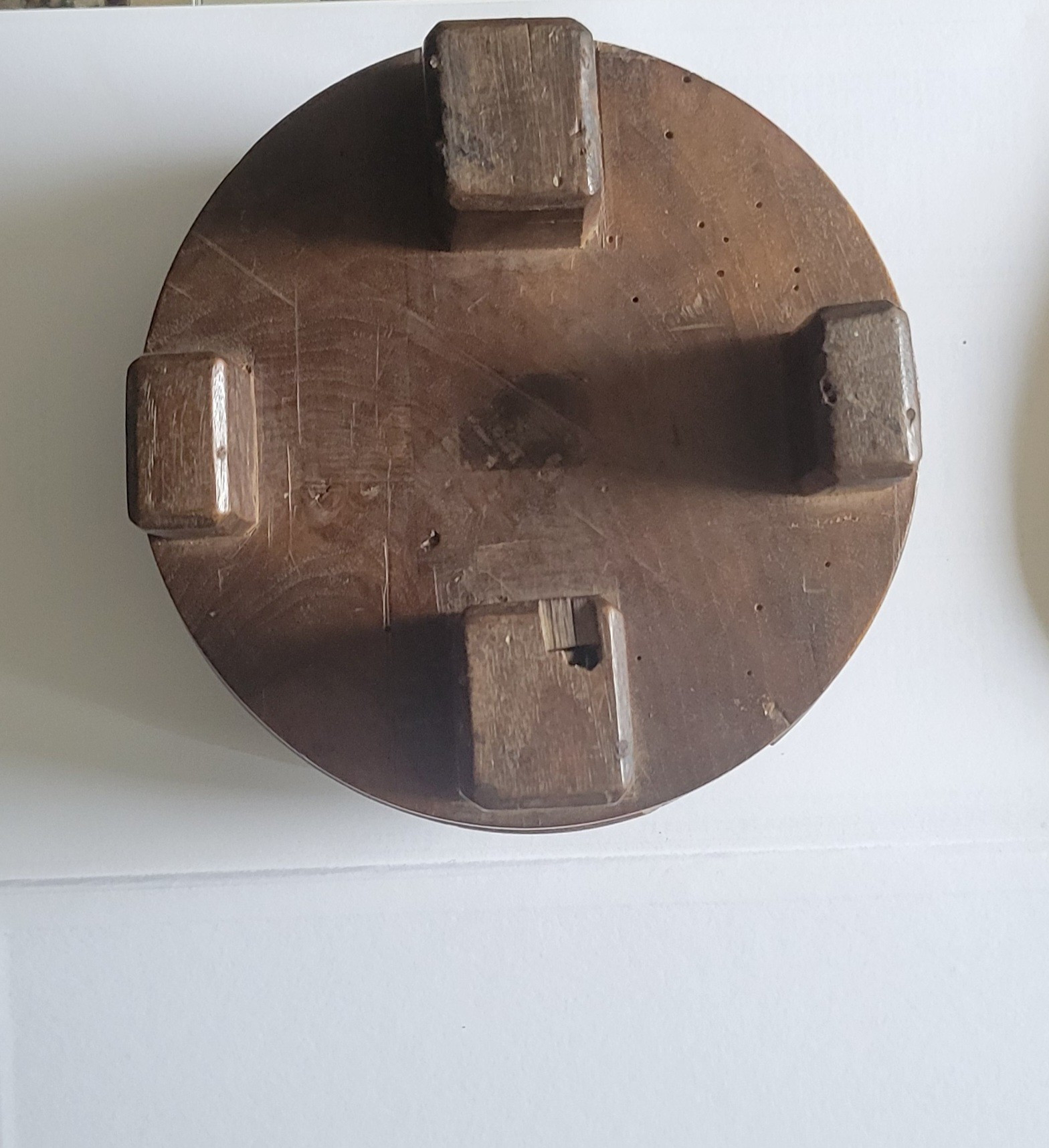
Diameter 19 cm. With its case (in need of restoration: missing parts and wormholes).
The Dutch circle was invented around 1550 by Gemma Frisius, who proposed it for topographic surveying by triangulation. It is also called a Dutch circle after its use in 1612 by a surveyor from the Netherlands (Jan Pieterszoon Dou) for a survey of his country. It was replaced by a semicircle, the graphometer, which was then sufficient and has been one of the surveyor's fundamental instruments for four centuries. Source: Measurements of Time and Space by Samuel Guye and Henri Michel.
Exhibition: A graphometer signed Bernier, 1792, was presented under number 48 by the École Nationale des Ponts et Chaussées (National School of Bridges and Roads): Retrospective Museum of Class 15, Precision Instrument at the 1900 International Exposition in Paris - Installation Committee report.
Condition report: Good condition, without any missing parts or damage. The case needs restoration (5 missing parts and wormholes).
Shipping: For all shipping, please request a quote, indicating the city and country of destination. We will ensure very secure packaging. Shipping via UPS
Ref: M72BYYIZCR





 English
 Français
 Italiano
 Deutsch